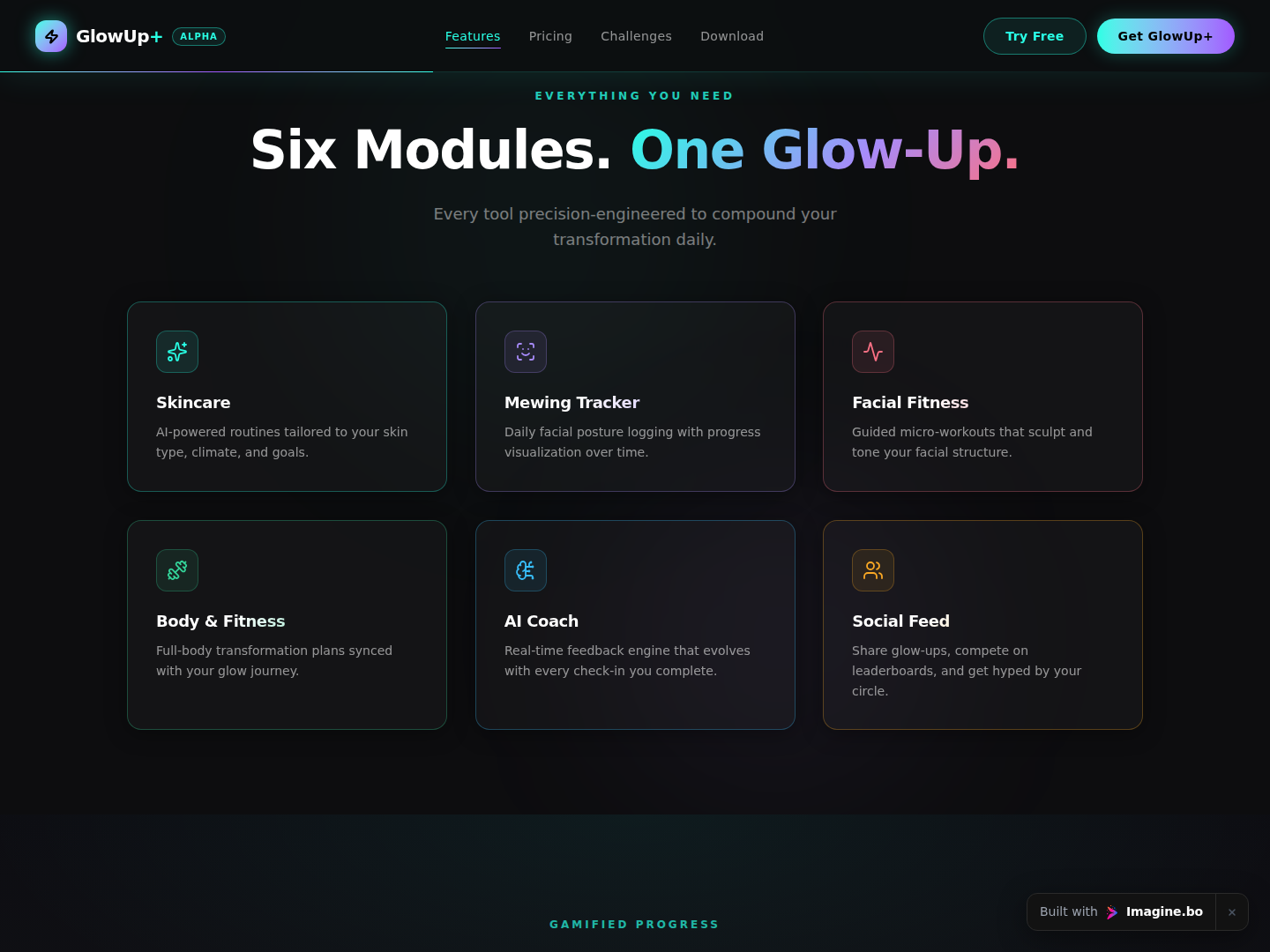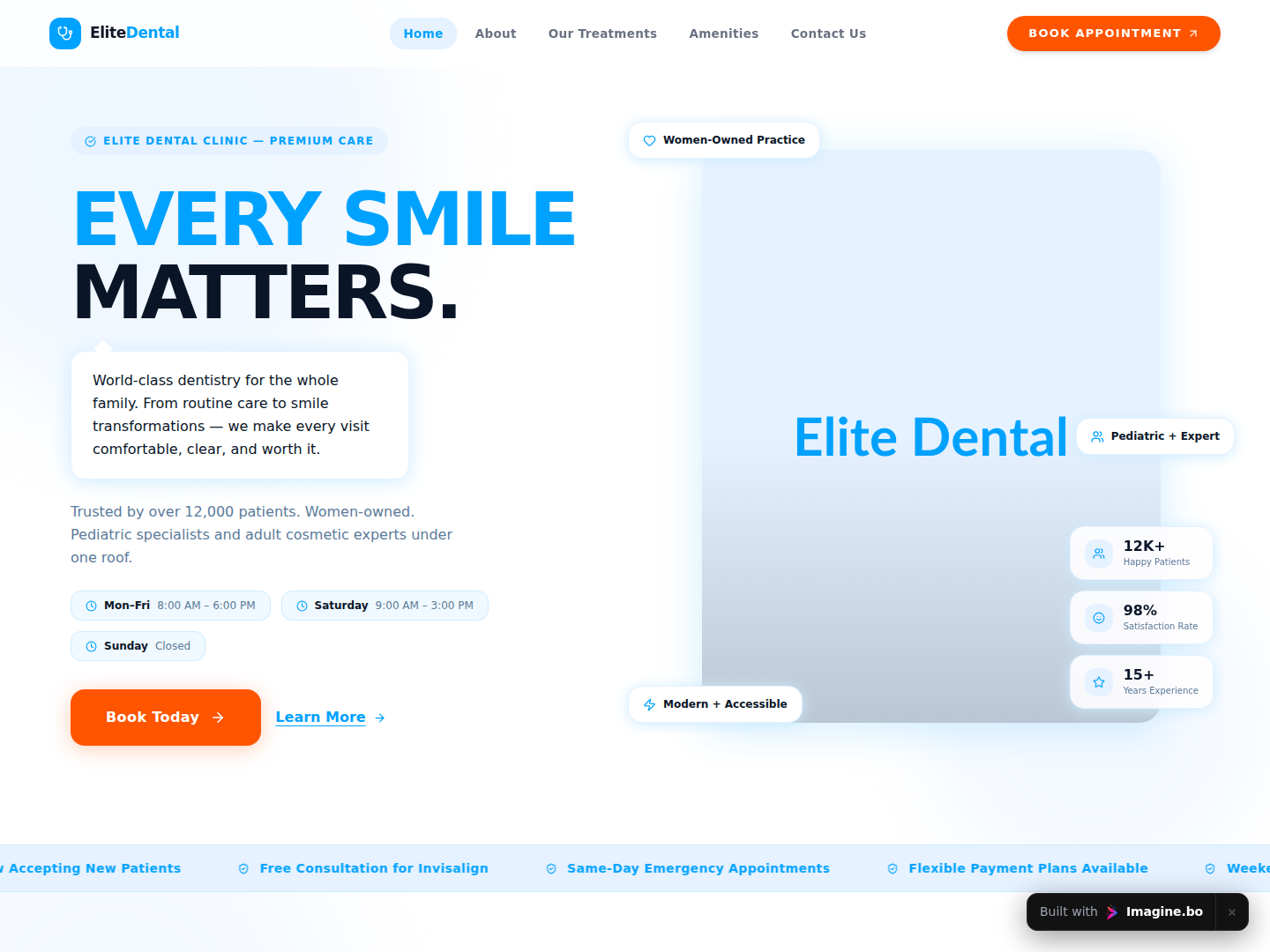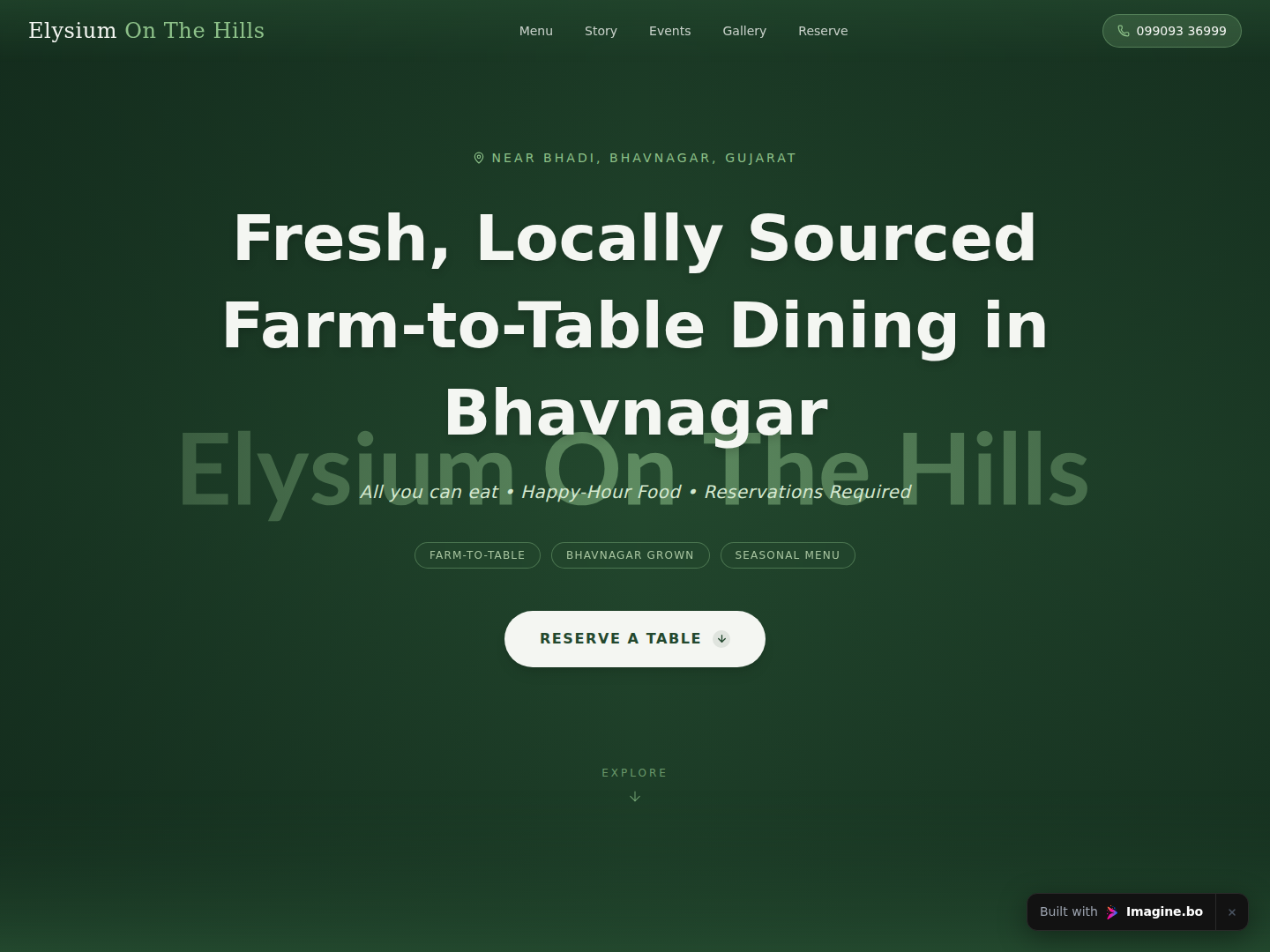
You described your app in plain English. The AI generated a login screen, a dashboard, and a database schema in four minutes. It looks great in preview. Then you try to add Razorpay, configure role-based permissions for three user types, and deploy to production. The AI stalls, hallucinates a broken API call, and you are stuck with no one to call. This is the Day 2 problem, and it kills more startups than bad ideas do. If you have tried to build complex apps with an AI builder, you know exactly what this feels like.
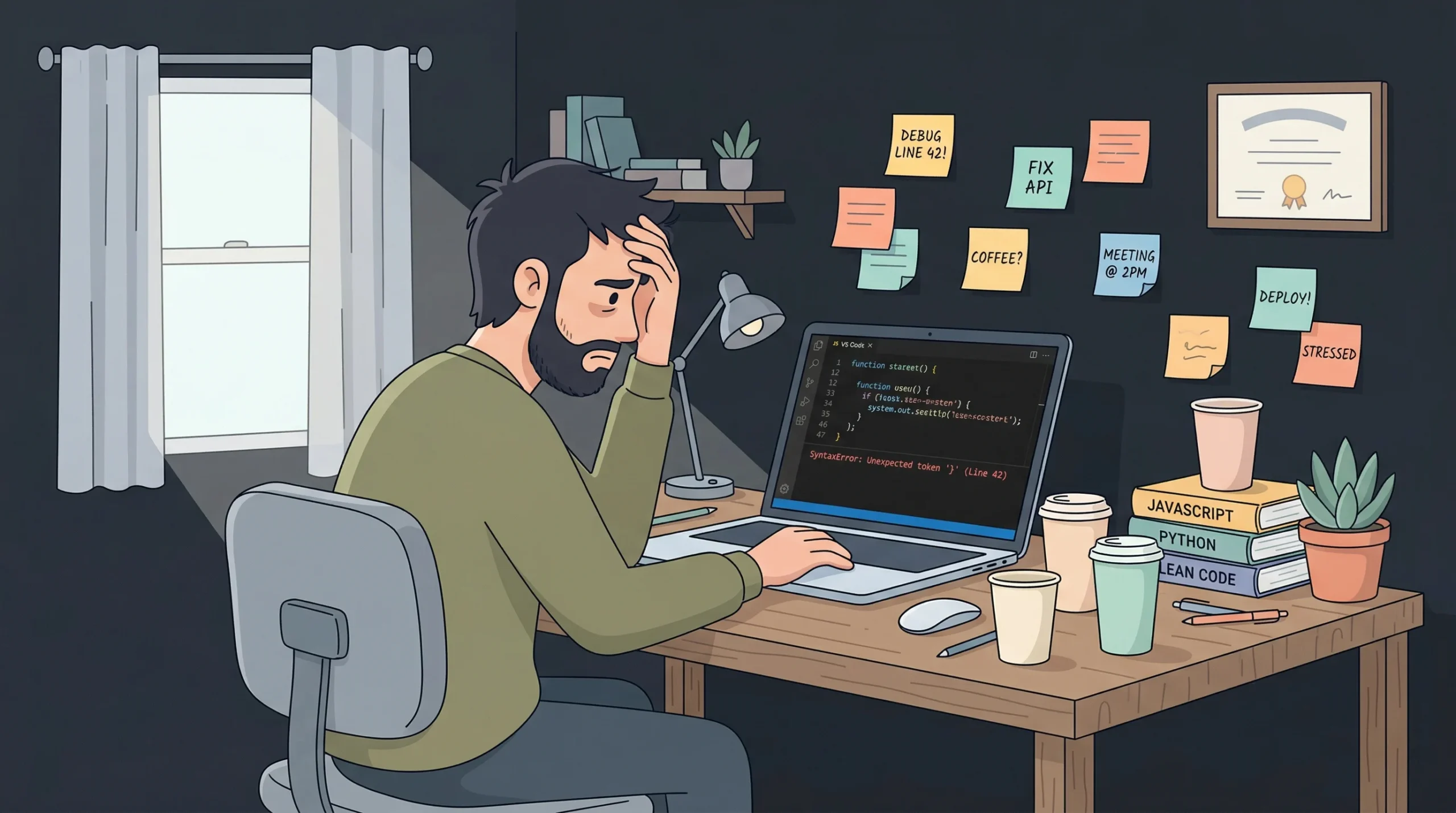
TL;DR: A 2026 Hackceleration survey found that over 60% of AI-generated prototypes never ship to production. The top failure points are database config, authentication, and deployment. imagine.bo’s Hire a Human feature solves this by letting you assign stuck tasks to vetted engineers directly from your dashboard, without leaving the platform or hiring freelancers.
What Is the “Day 2 Problem” in AI App Building?
The Day 2 problem is what happens after the demo looks good. According to Hackceleration’s 2026 survey, over 60% of AI-generated prototypes never reach production (Hackceleration, 2026). The prototype works for one test user in a controlled environment. But production demands concurrent users, real payment processing, edge-case handling, and security hardening that AI alone cannot reliably deliver.
Launch Your App Today
Ready to launch? Skip the tech stress. Describe, Build, Launch in three simple steps.
Build
Most AI app builders are optimized for a single metric: time-to-first-wow. They want you to see a working screen in under five minutes. That is genuinely impressive. But it creates a dangerous confidence gap. You believe the app is 90% done when it is actually 40% done. The remaining work is not cosmetic. It is authentication flows that do not break under load, database queries that scale past 100 concurrent users, and payment integrations that comply with PCI-DSS. This is where every pure-AI tool hits a wall, and where the founder’s real frustration begins.
AI handles scaffolding brilliantly. It generates UI components, sets up basic CRUD operations, and structures initial data models. But production software requires judgment calls that current AI models are not equipped to make consistently. When you are trying to launch apps without developers, that gap between prototype and production becomes the single biggest risk to your timeline and budget.
Why Does AI Fail at Production-Ready Apps?
AI-generated code contains known security vulnerabilities at an alarming rate. According to Veracode’s research, 45% of AI-generated code contains known security flaws (Veracode, 2025). That statistic alone should make any founder pause before shipping an AI-built app without human review. The issue is not that AI writes bad code. It writes plausible code that often misses the edge cases that matter most in production.
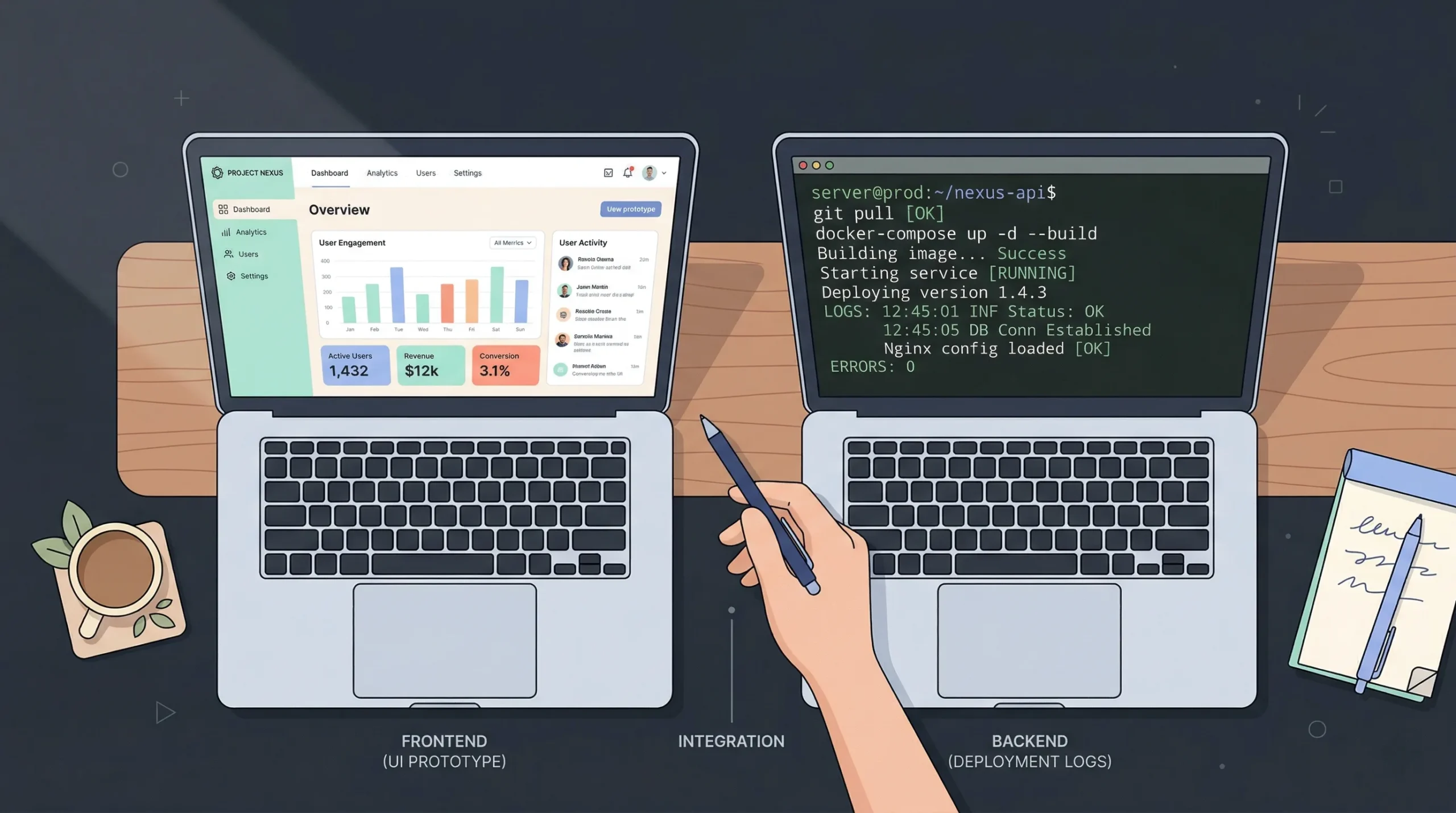
Consider what happens when a founder on imagine.bo’s Pro plan prompts the AI to build a multi-tenant SaaS with Stripe billing. The AI generates the subscription logic, the webhook endpoints, and the billing dashboard. It handles the happy path perfectly. But it does not automatically handle failed payment retries, proration during mid-cycle plan changes, or the webhook signature verification that Stripe requires for production security. These are not obscure requirements. They are table-stakes for any real billing system. A human engineer catches these in a single review session. The AI does not know what it does not know.
Three specific failure modes appear repeatedly across AI app builders. First, complex third-party integrations break because AI generates generic API calls instead of provider-specific implementations. Second, permission logic fails silently, letting unauthorized users access restricted data. Third, deployment configurations that work in preview mode collapse in production environments. If you are a non-technical founder building a product, you need a safety net for exactly these moments.
How Does imagine.bo’s Hire a Human Feature Actually Work?
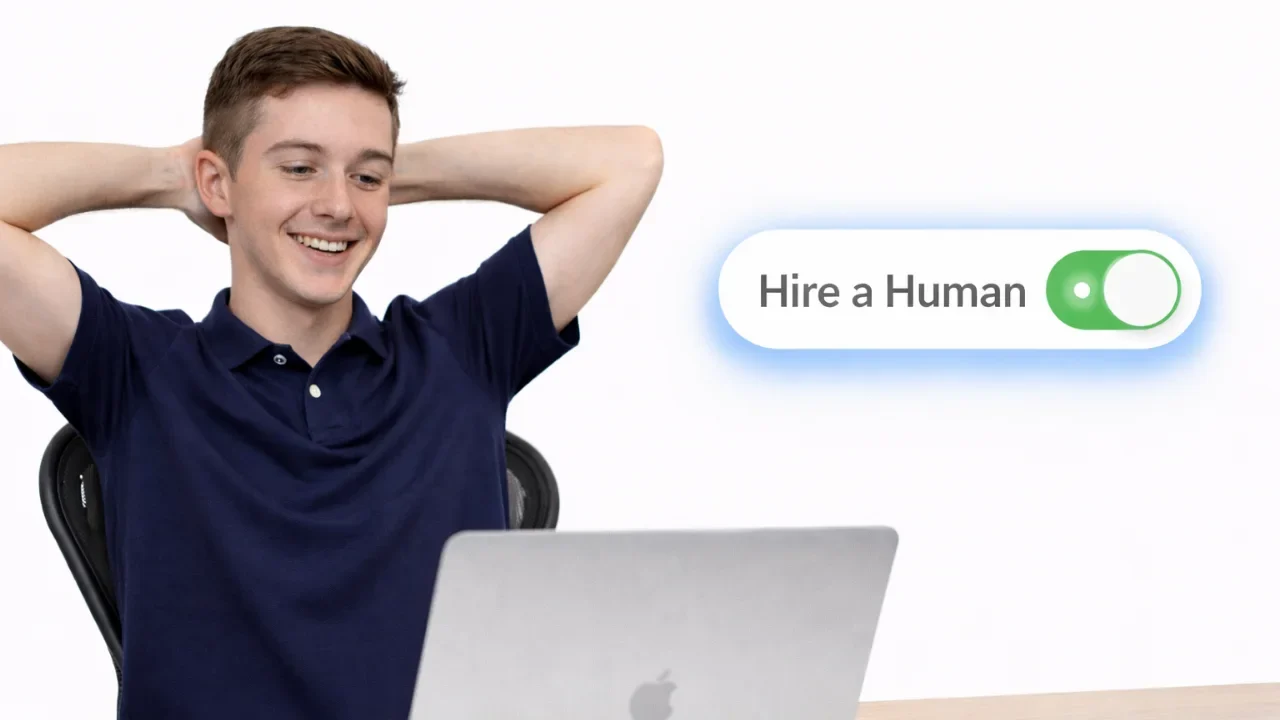
Hire a Human is accessible from the top-right corner of your project dashboard. You click the button, describe the task you need completed, and a vetted imagine.bo engineer picks it up. Single-page tasks cost $25 per page. Full project builds are available through the Done For You plan at $499 one-time. According to Gartner, 70% of new enterprise applications will use no-code or low-code technologies by 2026, but the platforms that win will be those that bridge the gap between automated generation and human engineering oversight (Gartner, 2025).
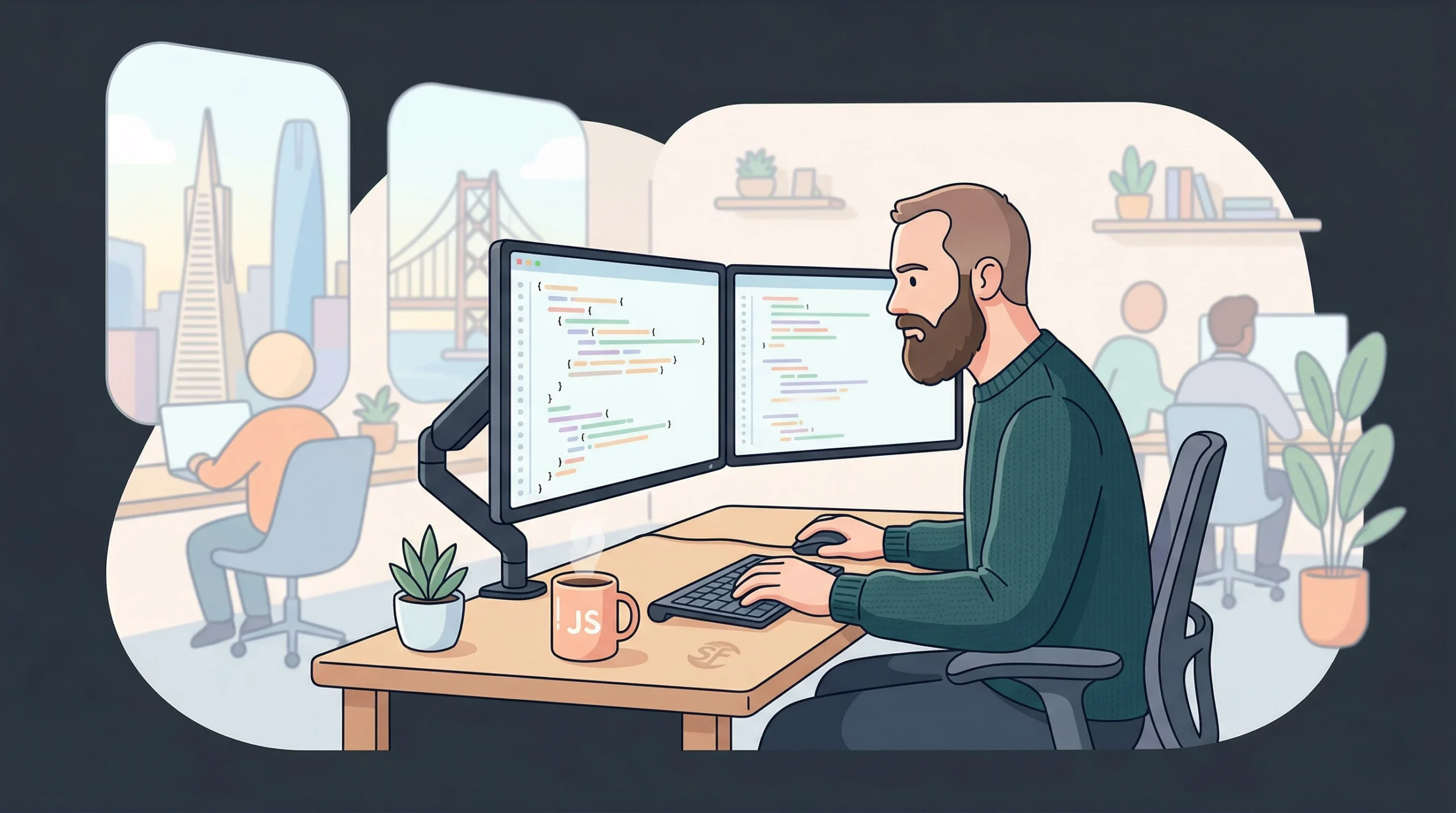
What makes this different from hiring a freelancer on Upwork or Fiverr? Three things. The engineer already has full context of your project because they access your repository directly. There is no onboarding time, no Zoom calls to explain your codebase, and no waiting for someone to understand your stack. The update gets pushed directly to your project’s repository.
The workflow looks like this:
- You build with AI using Describe-to-Build until you hit a limitation
- You click Hire a Human from the dashboard
- You describe the goal, the expected result, and any reference examples
- A verified engineer accepts the ticket and writes the code
- The update ships directly to your repo
Pro plan users get priority access with a guaranteed 24-hour turnaround. Lite plan users receive a 20% discount on engineering tasks. This hybrid model is why imagine.bo is the only AI builder where you are genuinely never stuck. For founders exploring the no-code tech stack for 2026, this human fallback is a non-negotiable requirement.
Why Don’t Other AI Builders Offer Human Engineering Support?
The honest answer is that it is operationally difficult and expensive to maintain a vetted engineering team alongside an AI platform. Most AI app builders are venture-funded companies optimizing for user growth, not service depth. Supporting human engineers requires hiring, vetting, quality control, and project management infrastructure that pure-software companies avoid.
Lovable, which reached $200 million ARR by late 2025 according to industry reports, generates clean React and TypeScript code with Supabase backends (CatDoes, 2026). But when the AI stalls on a complex feature, your only option is to debug the exported code yourself or hire an external developer who has never seen your project. Bolt.new crossed $40 million ARR in 2025, and its rapid generation is impressive. But the moment you need a localized payment gateway or custom algorithm, you are on your own.
Bubble and Webflow solve different problems entirely. They are visual builders with proprietary ecosystems. If you need something outside their component library, you hit a hard wall with no escape hatch. Organizations report up to 90% reduction in development time using no-code platforms, according to Forrester composite data (Forrester, 2025). But that speed advantage evaporates instantly when you spend weeks troubleshooting a production issue the platform was not designed to handle. The comparison becomes clearer when you look at what happens when AI meets real-world complexity.
| Feature | imagine.bo | Lovable | Bolt.new | Bubble |
|---|---|---|---|---|
| AI generation | Yes | Yes | Yes | Limited |
| Human engineering on-demand | Yes (Hire a Human) | No | No | No |
| Full-stack backend | Yes | Yes (Supabase) | Partial | Yes (proprietary) |
| One-click deployment | Yes (Vercel + Railway) | Yes | Yes | Yes (proprietary) |
| Code export and ownership | Yes | Yes | Yes | No |
| Production security (RBAC, SSL) | Built-in | Partial | Partial | Built-in |
| Credit rollover | Yes | No | No | N/A |
When Should You Use Hire a Human vs. AI Prompting?
Not every task needs a human engineer. AI handles UI changes, content updates, layout adjustments, and basic CRUD logic efficiently. The rule of thumb is simple: if you have prompted the AI three times for the same fix and it still is not working, assign it to a human. According to the 2025 Stack Overflow Survey, 84% of developers now use AI tools in their workflows, but they still handle the complex logic, debugging, and architecture decisions themselves (Stack Overflow, 2025).
Here are the specific scenarios where Hire a Human saves you time and money:
- Third-party API integrations that require secure key management, like payment gateways or SMS providers
- Complex conditional business logic with more than five decision branches
- Performance optimization when your app slows under real user load
- Security-sensitive features that require PCI-DSS compliance or manual engineering review
- Custom algorithms for data processing, recommendation engines, or pricing logic
For everything else, the AI-Generated Blueprint and iterative conversation refinement handle the work. The combination is what makes the cost of building an app in 2026 dramatically lower than traditional development or pure-freelancer approaches.
What Does This Mean for Non-Technical Founders?
If you are building a real product, not a prototype, not a demo, but something that handles real users and real money, the question is not whether AI can generate your app. It can. The question is what happens when the AI reaches its limit. According to Gartner, by 2026, citizen developers will outnumber professional developers by 4 to 1 (Gartner, 2025). That means millions of non-technical builders will hit this exact wall.
The AI app builder market is splitting into two categories. Category one is demo-grade builders that generate impressive prototypes but leave you stranded at deployment. Category two is production-grade platforms that acknowledge AI’s limitations and build a human bridge across the gap. imagine.bo is currently the only platform in category two. This is not a marginal feature difference. It is a fundamentally different product philosophy. The builders that treat human engineering as a complement to AI, not a failure of AI, will be the ones whose users actually ship.
The global low-code development platform market reached $28.75 billion in 2026, growing at a 32.2% CAGR toward a projected $264 billion by 2032 (Adalo / Grand View Research, 2026). The platforms that capture the most value from this growth will not be the ones with the fastest demo. They will be the ones whose users successfully go live. That is the difference Hire a Human makes. When you are ready to build a tech startup without a developer, the human safety net is what separates shipping from stalling.
FAQ
Can I use Hire a Human on the free plan?
The free plan includes community support but not direct Hire a Human access. The Lite plan at $6 per month gives you access with a 20% discount on engineering tasks. The Pro plan at $25 per month includes priority access with 24-hour turnaround. According to Forrester composite data, organizations using no-code with expert support report 65 to 70% faster process cycle times than those without (Forrester, 2025).
How much does a Hire a Human task cost?
Single-page tasks cost $25 per page. Full project builds through the Done For You plan cost $499 one-time. This is a fraction of the $15,000 to $50,000 that traditional agencies charge for comparable work. The average company avoids hiring two additional developers by using low-code tools, saving approximately $4.4 million over three years (451 Research, 2025).
What if the AI can handle my entire project?
Many projects ship entirely through AI prompting and the Describe-to-Build interface. Hire a Human exists for the 20 to 30% of tasks where AI reaches its limit. Veracode research shows 45% of AI-generated code has known flaws (Veracode, 2025), so even fully AI-built apps benefit from at least one human review before going live. You can learn more about optimizing your workflow through prompt engineering tips for no-code builders.
Is imagine.bo better than Lovable for production apps?
Lovable excels at rapid prototype generation with clean React output. For production apps that require custom integrations, security hardening, or complex backend logic, imagine.bo’s Hire a Human feature fills a gap that Lovable currently does not address. Over 60% of AI prototypes never ship to production (Hackceleration, 2026), and human engineering support directly reduces that failure rate.
Conclusion
Three things matter when choosing an AI app builder for a real product. First, the AI generation needs to be fast and capable enough to get you to 70 to 80% of your app in minutes, not months. Second, you need clean, exportable code that you actually own. Third, and this is where every other platform falls short, you need a human engineering fallback for the tasks AI cannot handle reliably.
imagine.bo is the only AI app builder that packages all three into a single workflow. The Hire a Human feature is not an add-on. It is the core architectural decision that makes the platform production-grade instead of demo-grade. If you have been burned by an AI tool that generated a beautiful prototype you could never actually ship, this is the missing piece.
Start building at imagine.bo and see how far AI takes you. When you hit the wall, and you will, click Hire a Human and watch a real engineer get you across the finish line. You can also explore how other founders have approached this by reading about scaling no-code AI apps to production.
SEO Meta Title: Why Hire a Human Is the AI App Builder Feature You Need SEO Meta Description: Over 60% of AI prototypes never ship to production. Learn why imagine.bo’s Hire a Human feature is the missing piece for production-ready apps.
Launch Your App Today
Ready to launch? Skip the tech stress. Describe, Build, Launch in three simple steps.
Build