A freelance developer quotes you $45,000. A no-code platform costs $29 per month. An AI builder says you can ship today for free. When the cost to build an app varies this wildly, how do you make a rational decision?
Most cost guides give you vague ranges and end with “it depends.” This one won’t. Below, you’ll find actual hourly rates for developers by region, real monthly pricing for AI builders and no-code platforms, and a full breakdown of hidden costs like maintenance, hosting, and iteration. Whether you’re bootstrapped or funded, these numbers will help you pick the approach that matches your budget, timeline, and risk tolerance. If you’ve been weighing whether to build a tech startup without a developer, start here.
Launch Your App Today
Ready to launch? Skip the tech stress. Describe, Build, Launch in three simple steps.
Build
TL;DR: Hiring developers for a mid-complexity web app typically runs $50,000 to $120,000 and takes 3 to 6 months, according to Clutch (2024). AI builders like imagine.bo deliver comparable MVPs for under $300 total. No-code platforms fall between at $3,000 to $15,000 annually. The cheapest path depends on your complexity, iteration speed, and 12-month total cost of ownership.
What Does Hiring a Developer Actually Cost in 2026?

Developer-built apps remain the most expensive option for founders. According to Clutch (2024), the average custom web application costs between $30,000 and $150,000 when built by an agency or freelance team. For bootstrapped founders, that range can mean the difference between launching and running out of runway before a single user signs up.
Geography drives the biggest price gaps. According to Arc.dev (2025), senior full-stack developers in North America charge $150 to $250 per hour. Eastern European developers typically bill $40 to $80 per hour. South and Southeast Asian developers range from $20 to $50 per hour. Those differences look attractive on paper, but offshoring introduces coordination overhead, timezone friction, and communication gaps that often add 20 to 30% back in hidden costs.
Even a “simple” app with authentication, a dashboard, and basic data management requires 400 to 600 development hours. At North American rates, that’s $60,000 to $150,000 before anyone visits your landing page. But what happens when the scope inevitably changes?
Developer Cost by App Complexity
Here’s what you can realistically expect to pay in 2026:
- Simple app (landing page, forms, basic auth, a few data pages): $10,000 to $30,000
- Mid-complexity app (dashboards, payments, API connections, role-based access): $50,000 to $120,000
- Complex app (real-time features, multi-tenant architecture, custom logic, integrations): $120,000 to $300,000+
According to the Standish Group’s CHAOS Report, only about 31% of software projects finish on time and within their original budget (Standish Group, 2020). That statistic hasn’t improved much in a decade. For a solo founder writing a $50,000 check, a 70% chance of cost overruns is a serious risk.
The developer path also carries management overhead that founders underestimate. You’re not just paying for code. You’re writing specifications, reviewing pull requests, answering Slack messages, and managing sprint cycles. If you’ve never managed a development project, that alone can consume 15 to 20 hours per week of your time. Is that the best use of a founder’s bandwidth?
For a fuller comparison of these tradeoffs, our breakdown of no-code versus traditional development covers what most founders discover too late.
How Much Do AI App Builders Cost in 2026?

AI app builders are the cheapest per-feature option available today. Platforms like imagine.bo, Lovable, Bolt.new, and Emergent let you describe an app in plain English and receive a working, deployable application within minutes. Monthly plans typically range from free to $50 for individual users, with credit-based models keeping spend predictable.
According to Gartner, 70% of new applications developed by enterprises will use low-code or no-code technologies by 2025 (Gartner, 2023). AI builders push that trend further by eliminating even the visual drag-and-drop learning curve. You describe what you want. The AI generates the full stack.
Here’s how the major AI builders price their plans in 2026:
| Platform | Free Tier | Entry Plan | Pro Plan | Managed Build |
|---|---|---|---|---|
| imagine.bo | $0 (10 credits/mo) | $6/mo (30 credits) | $25/mo (150 credits, rollover) | $499 one-time |
| Lovable | Limited free | ~$20/mo | ~$50/mo | Not offered |
| Bolt.new | Limited free | ~$20/mo | ~$50/mo | Not offered |
| Emergent | Limited free | ~$15/mo | ~$40/mo | Not offered |
The cost comparison becomes dramatic when you calculate total spend over three months. A founder using imagine.bo’s Pro plan for one quarter would spend $75 total to build, iterate, and refine a mid-complexity app. The same scope with a North American developer would cost $50,000 to $80,000. That’s a 600x to 1,000x cost difference for the initial build phase alone. Why pay developer rates for something the AI generates in thirty seconds?
AI builders aren’t the right fit for everything, though. They work best for apps that follow common patterns: SaaS dashboards, client portals, CRMs, booking systems, e-commerce stores, and internal tools. Apps with unusual algorithms, complex real-time collaboration, or deep integrations with niche legacy systems may hit limits faster.
imagine.bo addresses this gap with its Hire a Human feature. When the AI can’t handle a specific task, you assign it to a vetted engineer directly from the same dashboard. Pro plan users also get a 1-hour expert session before launch. The Done For You option at $499 provides a fully managed build by the imagine.bo engineering team. No other AI builder offers that fallback within the same workflow.
For a deeper comparison of these categories, see our guide on AI vs no-code for fast MVP launches.
What Are the Real Costs of No-Code Platforms?
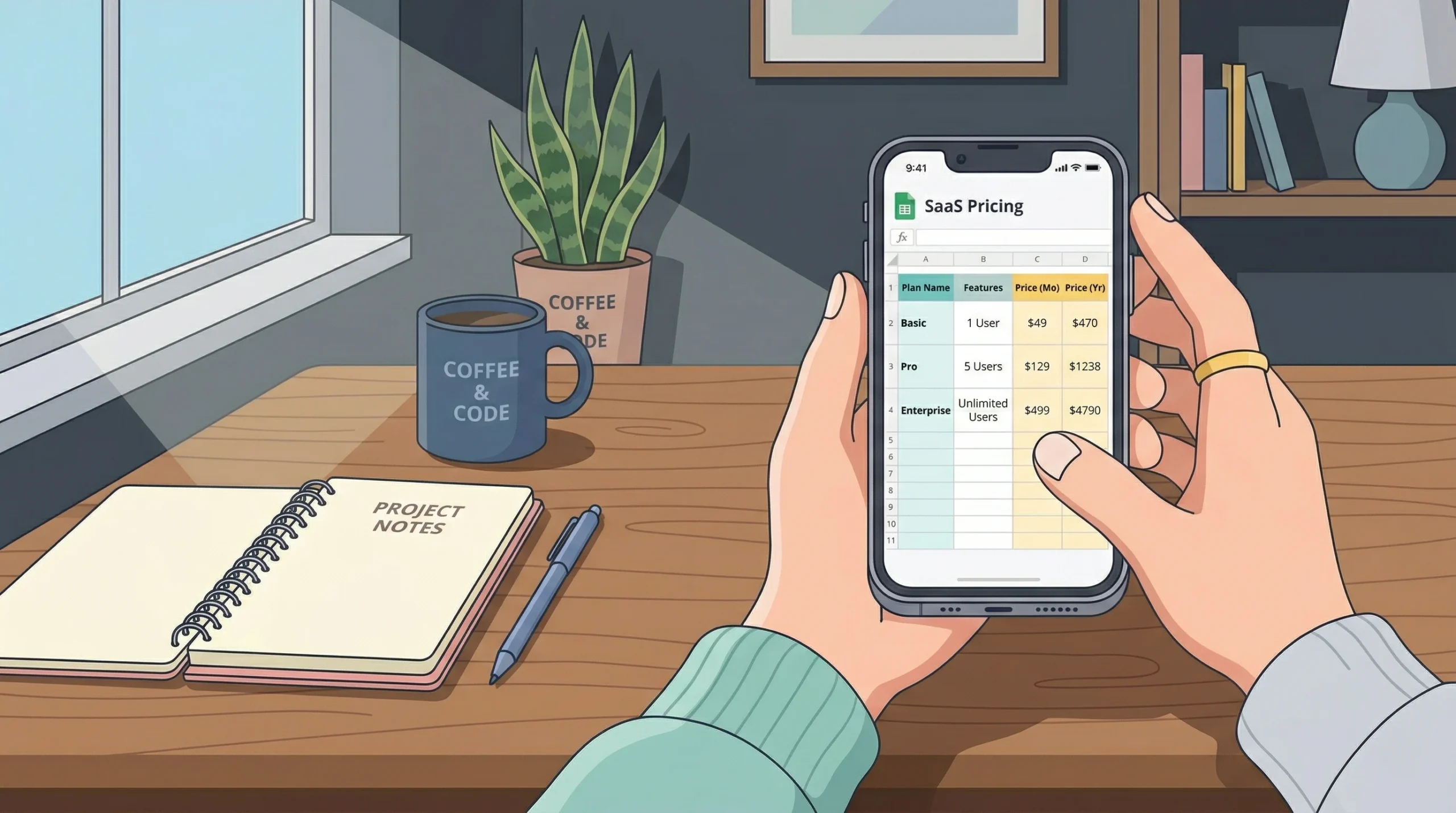
No-code platforms like Bubble, Adalo, and FlutterFlow sit between developers and AI builders in both price and flexibility. According to Forrester, low-code and no-code platforms can reduce app development time by up to 90% compared to traditional coding (Forrester, 2021). But faster development doesn’t automatically mean lower total cost.
Monthly pricing for production-grade no-code plans in 2026:
- Bubble: $29 to $349 per month
- Adalo: $36 to $200 per month
- FlutterFlow: $30 to $70 per month
- Glide: $25 to $99 per month
- Webflow: $14 to $39 per month (primarily sites, not full apps)
Those base prices look manageable until you stack up the costs that accumulate over a year:
- Third-party plugin fees: $10 to $50 per plugin per month
- External database hosting: $20 to $100+ per month at scale
- API call overages: $50 to $200 per month for active apps
- Premium templates: $50 to $500 one-time
- Custom domain and SSL: usually included, sometimes an add-on
A realistic 12-month cost for running a mid-complexity no-code app is $5,000 to $18,000. But here’s what most cost comparisons ignore entirely: the founder’s learning investment. Building on Bubble or FlutterFlow requires mastering a visual programming model that typically takes 100 to 300 hours to become proficient in. If you value your time at even $50 per hour, that’s $5,000 to $15,000 in opportunity cost before you ship a single feature. Is that worth it for a product you haven’t validated yet?
AI builders skip that learning curve because the interface is plain English. No-code platforms do excel when you need precise control over every UI element and workflow logic. They’re particularly strong for apps that will be maintained and iterated by the same person who built them, since the visual logic stays transparent to its creator.
For a side-by-side breakdown, our article on custom code vs no-code SaaS for a cost-effective launch covers when each approach actually makes financial sense.
The Full Cost Comparison: Developer vs AI Builder vs No-Code
The lowest total cost depends on your app’s complexity, how many iterations you’ll need, and whether you count your own time as an expense. The table below compares all three approaches across the categories that actually determine your 12-month spend. These figures are for a mid-complexity web app with user authentication, a dashboard, payment integration, and role-based access.
| Cost Category | Hire a Developer | AI Builder (imagine.bo) | No-Code (Bubble) |
|---|---|---|---|
| Initial build cost | $50,000 to $120,000 | $25 to $499 | $1,000 to $5,000 (time + plan) |
| Monthly hosting | $50 to $500 | Included (Vercel + Railway) | $29 to $349 |
| Time to first deploy | 3 to 6 months | Same day | 2 to 8 weeks |
| Annual maintenance | $7,500 to $24,000 (15-20% of build) | $72 to $300 (plan cost) | $500 to $4,200 (plan + plugins) |
| Cost per iteration | $2,000 to $10,000 per feature | ~$0.50 per credit | $0 (your time) to $500 |
| Learning curve | None (you’re paying someone) | Minimal (plain English) | 100 to 300 hours |
| 12-month total cost | $60,000 to $150,000+ | $100 to $800 | $5,000 to $18,000 |
| Code ownership | Yes | Yes (exportable) | Platform-dependent |
| Human expert access | Your developer | Hire a Human feature | Community forums |
According to a McKinsey analysis, approximately 70% of large-scale technology projects exceed their budgets or timelines (McKinsey, 2020). That risk disproportionately affects the developer column, where costs are project-based rather than subscription-based. AI builder and no-code costs stay predictable because they’re capped by monthly plan pricing.
The most overlooked row in this table is “cost per iteration.” When you hire a developer, every change request carries a price tag. A feature revision might cost $2,000 to $10,000 and take days or weeks. On imagine.bo, you describe the change in the Describe-to-Build chat, and the AI regenerates the component in minutes for a fraction of one credit. Over 12 months of active product development, the iteration cost difference alone can exceed $30,000. How many iterations does your product need before it finds its market?
For context on how founders handle this decision in practice, see our guide to launching apps without developers.
What Hidden Costs Do Most Founders Miss?
The sticker price of building an app is only the beginning. According to Gartner, annual maintenance for a custom web application typically costs 15 to 20% of the original development price (Gartner, 2024). A $100,000 app costs $15,000 to $20,000 per year just to keep running, and that assumes nothing major breaks.
Here are the hidden costs that founders consistently underestimate:
Maintenance and Bug Fixes
Every production app requires ongoing maintenance. Security patches, dependency updates, performance fixes, and browser compatibility issues don’t stop after launch day. With developers, you’re paying hourly for every fix. With imagine.bo, you describe the issue in the chat and the AI handles it within your existing plan. With no-code platforms, you fix it yourself in the visual editor. Do you have the skills and time for that?
Hosting and Infrastructure
Developer-built apps need separate hosting. A basic setup on AWS or Railway might cost $50 to $200 per month. At scale, that can jump past $500. imagine.bo includes production-ready deployment on Vercel for frontend and Railway for backend through One-Click Deployment. No-code platforms bundle hosting into monthly plans, but higher-traffic apps often force upgrades to more expensive tiers.
Payment Integration
If your app processes payments, expect real integration complexity. Stripe setup alone involves webhooks, error handling, and PCI compliance considerations. A developer typically charges $3,000 to $8,000 to integrate payments properly. imagine.bo generates Stripe integration from a prompt. No-code platforms offer payment plugins, but configuration still takes hours of setup and testing. For more detail, see our breakdown of common Stripe payment integration challenges.
Security and Compliance
GDPR compliance, SSL certificates, role-based access control, and data encryption aren’t optional features. Developer teams bill separately for security audits and compliance work. imagine.bo includes RBAC, SSL, GDPR foundations, and SOC2 readiness out of the box with every project. No-code platforms vary widely in their built-in security posture.
Opportunity Cost
This is the expense founders never put in a spreadsheet, but it’s often the largest one. Every week spent waiting for a developer sprint is a week you’re not in market collecting feedback. Every month spent learning Bubble is a month of delayed revenue. According to CB Insights, 42% of startups fail because there’s no market need for their product (CB Insights, 2023). The faster you get to market, the faster you learn whether your idea has demand. Can you afford to wait six months to find out?
For founders evaluating options carefully, our comparison of no-code vs low-code for startups provides additional decision criteria.
Which Approach Wins for Different App Types?

There’s no single cheapest option across all scenarios. The right choice depends on what you’re building, how quickly you need it live, and how much you expect to change it after launch.
MVP or Validation-Stage Product
Best option: AI builder. Speed and low cost are what matter here. imagine.bo’s Describe-to-Build feature generates a full working app from a single prompt. At $0 to $25 per month, the financial risk is essentially zero. If the idea fails, you’ve lost hours instead of months and thousands. According to Statista, the global low-code development market is projected to reach $65 billion by 2027 (Statista, 2024), and MVP validation tools are one of the fastest-growing segments driving that number.
Internal Business Tool
Best option: AI builder or no-code. Internal tools don’t need pixel-perfect design or marketing polish. They need to work reliably, integrate with existing systems, and be easy to update as processes change. imagine.bo handles this well because you can iterate the tool through conversation. Bubble works too if you want granular control over complex workflow logic and are willing to invest the learning time.
Consumer-Facing SaaS Product at Scale
Best option: Start with an AI builder, graduate to developers if needed. Use imagine.bo to build and validate your first version. Once you have paying users and revenue, consider hiring developers to optimize performance for scale. The code imagine.bo generates is clean and exportable, so nothing is lost in that transition. Do you really need a $100,000 product before your first customer says yes?
Enterprise Application with Complex Integrations
Best option: Developer team, potentially with AI-assisted prototyping. Enterprise apps with legacy system integrations, custom security requirements, and complex data pipelines still benefit from experienced engineering teams. Even here, using an AI builder for rapid prototyping before committing to a full build can save $20,000 to $50,000 in specification and discovery costs. Our guide on how to build a SaaS with AI and no code covers how to structure this phased approach.
How Does imagine.bo Compare on Total Cost?

Imagine.bo is designed to minimize 12-month total cost of ownership, not just the initial build price. The platform generates a complete full-stack application from a plain English prompt, including frontend, backend logic, database schema, and deployment configuration. It’s built for founders who want production-ready software without production-level spending.
Here’s the full pricing breakdown:
- Free plan: $0 per month, 10 credits, public projects, community support
- Lite plan: $6 per month, 30 credits, up to 8 pages, 20% discount on Hire a Human tasks
- Pro plan: $25 per month, 150 credits with rollover, private projects, priority support with 24-hour turnaround, 1-hour expert session before launch
- Done For You: $499 one-time, fully managed engineering build by the imagine.bo team
What separates imagine.bo from other AI builders is the hybrid model. Describe-to-Build handles 80 to 90% of what most apps need through conversational iteration. When you hit a task the AI can’t resolve, Hire a Human connects you with a vetted engineer without leaving the platform. You don’t need to write a new spec, find a freelancer, or manage a separate project.
In practice, a founder building a client portal on imagine.bo can go from idea to deployed app in a single afternoon. The AI-Generated Blueprint maps out the database schema, page structure, and user flows before generating any code. If the blueprint needs adjustment, you refine it through conversation. Once you approve, One-Click Deployment pushes the app live on Vercel and Railway. Total cost: a couple of credits and a few hours.
For bootstrapped founders, the Pro plan’s credit rollover means unused capacity isn’t wasted month to month. That’s a pricing model designed for how early-stage products actually work, with bursts of building followed by periods of testing and feedback collection. Compare that to the developer path where you pay hourly whether or not you have changes, or no-code platforms where monthly fees run regardless of usage.
Want to see how imagine.bo stacks up against a specific competitor? Check our detailed Bubble vs imagine.bo comparison for feature-by-feature analysis.
Frequently Asked Questions
What is the average cost to build a web app in 2026?
The average web app development cost in 2026 ranges from $25 on an AI builder to $150,000+ with a developer team, depending on complexity and approach. According to Clutch (2024), mid-complexity apps built by agencies typically cost $50,000 to $120,000. AI builders like imagine.bo deliver comparable functionality for under $500 total, including the Done For You managed build option.
Is no-code cheaper than hiring a developer?
Yes, but not by as much as most founders assume. No-code platforms cost $5,000 to $18,000 annually when you include plan fees, plugins, and your learning time investment. Developers cost $50,000+ for the initial build alone. According to Forrester (2021), no-code platforms reduce development time by up to 90%, but founder time commitment is still significant. AI builders offer the lowest total cost for most standard app types.
Can an AI builder create a production-ready app?
Yes. AI builders like imagine.bo generate full-stack applications with frontend, backend, database, and deployment. imagine.bo deploys on Vercel and Railway by default and includes security features like RBAC, SSL, and GDPR foundations. According to Gartner (2023), 70% of new enterprise applications will use low-code or no-code by 2025. AI-generated apps are a growing and increasingly capable subset of that category.
What hidden costs should I budget for when building an app?
Budget for hosting at $50 to $500 per month, maintenance at 15 to 20% of build cost annually per Gartner (2024), payment integration at $3,000 to $8,000 with developers, and security compliance work. The most overlooked expense is opportunity cost, meaning the revenue you lose while waiting months for your app to launch. AI builders like imagine.bo minimize every one of these categories through included hosting, conversational iteration, and same-day deployment.
Should I start with an AI builder and switch to developers later?
This is often the smartest strategy. Build your MVP with an AI builder to validate demand at minimal cost. Once you have paying users, hire developers for custom optimization. imagine.bo exports clean, ownable code, so developers can pick up exactly where the AI left off. This approach lets you test market fit for under $100 before committing to a $50,000+ development project. For more on this strategy, see our guide for non-technical founders building products.
Conclusion
Three takeaways from this cost breakdown:
First, the sticker price of building an app is misleading. A $50,000 developer quote becomes $80,000+ after scope changes and maintenance. A $29 per month no-code plan becomes $10,000+ annually after plugins, learning time, and opportunity cost. AI builders offer the most predictable and lowest total cost of ownership for most app types.
Second, iteration cost matters more than build cost. Most apps need 10 to 20 significant revisions in their first year. At $5,000 per developer change versus $0.50 per AI credit, the 12-month gap widens fast and compounds with every revision cycle.
Third, the hybrid approach wins. Start with imagine.bo to build and validate quickly using Describe-to-Build. Use Hire a Human when you need expert engineering help. Graduate to custom development only after revenue justifies the investment. Visit app.imagine.bo to describe your app in plain English and deploy it today. The Pro plan costs less than a single hour of developer time.
For more on launching without a technical co-founder, see our roundup of the best no-code tools to launch your startup fast.
Launch Your App Today
Ready to launch? Skip the tech stress. Describe, Build, Launch in three simple steps.
Build