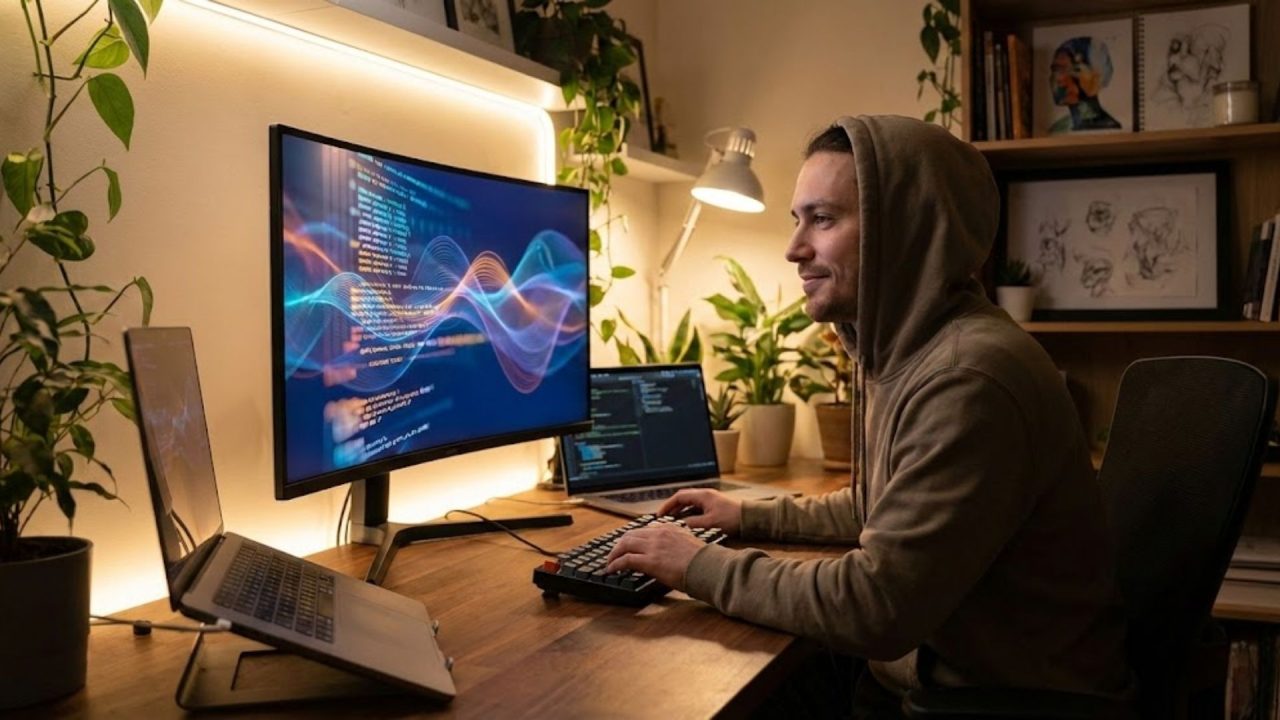
Vibe coding is shifting programming from a mechanical task to an expressive craft. Instead of treating code as a cold set of rules, it asks developers to tap into emotion, intuition, and personal rhythm. When feeling and logic merge, projects become more fluid, creative, and human. This blend of mood and method is redefining how we build digital experiences and how programmers connect with their work.
The Genesis of an Emotional Approach
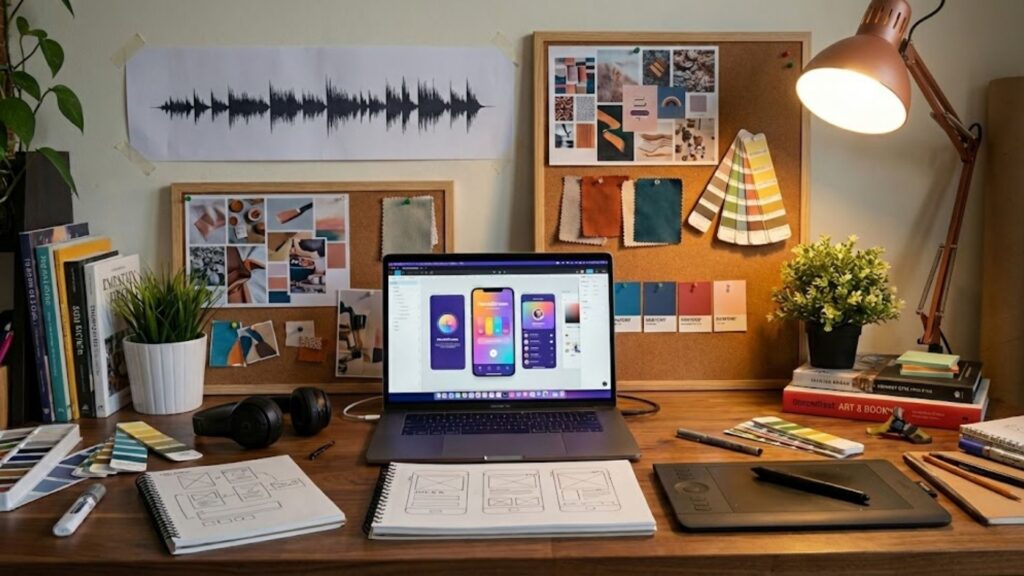
Vibe coding is about transcending the conventional boundaries of programming. It redefines what code can do by infusing it with emotional depth.
Launch Your App Today
Ready to launch? Skip the tech stress. Describe, Build, Launch in three simple steps.
BuildWhat is Vibe Coding?
At its core, vibe coding prioritizes the user’s emotional journey, transforming digital interactions into more than just transactional experiences. It challenges developers to think beyond the code’s technical aspects and consider its emotional resonance. This blend introduces the concept of an emotional spectrum, encouraging developers to explore a range of emotions, from joy and excitement to melancholy and nostalgia, creating experiences that are rich and multifaceted.
From Creative to Emotional Coding
The concept of vibe coding has roots in creative coding, a practice where programmers use code as a medium for artistic expression. Creative coding laid the groundwork by demonstrating the potential of programming as a tool for creativity, utilizing platforms like Processing and openFrameworks. This movement is empowering non-technical founders building products with code.
Vibe coding builds upon this foundation by adding an essential emotional dimension. While creative coding focuses on artistic expression, vibe coding emphasizes the emotional impact of digital experiences. This shift represents a broader understanding of how technology can connect with users on a profound level, drawing inspiration from disciplines like psychology, UX design, and philosophy.
Core Elements of Emotion-Driven Development
To truly understand vibe coding, it’s essential to explore the core elements that differentiate it from traditional programming.
Crafting Emotional Journeys
At the heart of this discipline is Emotion-Driven Development. This approach involves considering the emotional impact of a program during its creation. Developers ask: “How will this code make the user feel?” and “What emotions do I want to convey?”
This development style involves:
- Emotional Prototyping: Testing and refining emotional elements like colors, sounds, and interactions early in the process.
- User-Centric Emotional Design: Requiring empathy and a deep understanding of the target audience’s needs and emotional triggers.
Aesthetic Design and User Experience
Aesthetics and user experience are crucial. The visual and auditory elements of a program are carefully designed to create a specific atmosphere or mood, ensuring the experience is immersive.
- The Power of Visual Aesthetics: Color palettes, typography, and composition are used to create visual harmony and evoke specific feelings, capitalizing on the psychology of color.
- Soundscapes and Auditory Design: Auditory elements—music, sound effects, and soundscapes—complement the visual design, contributing to the emotional atmosphere and amplifying the user’s experience.
Democratizing Emotional Creation: The Role of AI and No-Code
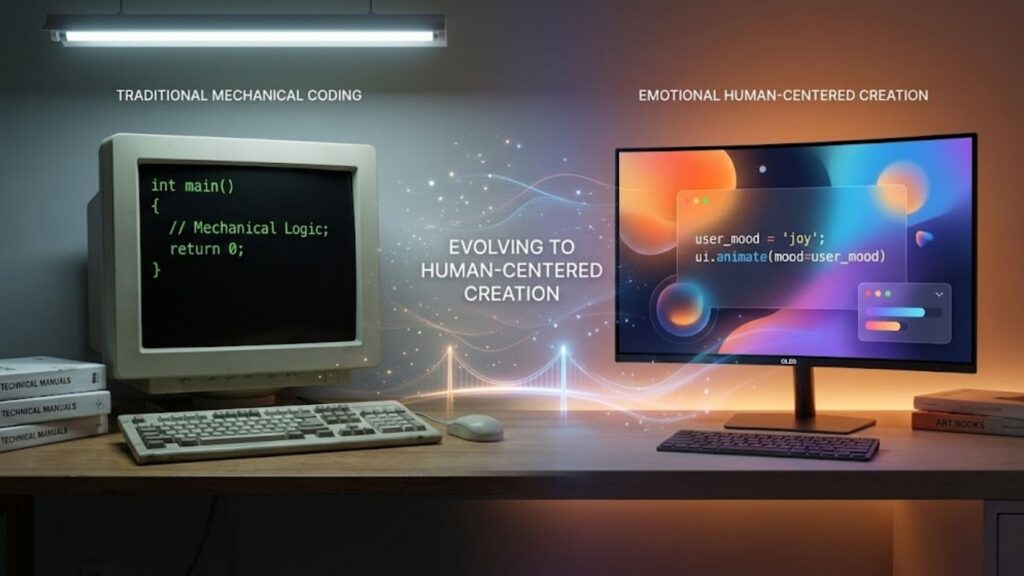
Historically, crafting these complex, emotionally layered programs required high levels of technical and artistic skill. Today, AI and no-code platforms are revolutionizing access to vibe coding principles, making it available to everyone—especially the artistically minded. Approximately 25% of startups in YC’s Winter 2025 batch now rely on AI generators for 95% or more of their code, highlighting a major industry trend where AI tools that replace entire product teams are common.
Bridging the Gap Between Art and Execution
The artistic influence in vibe coding is clear, but the technical barrier to entry has traditionally been high. This is where modern AI tools step in, allowing creators to focus purely on the vibe and the emotional journey without getting bogged down in syntax and infrastructure.
Independent AI platforms have quickly scaled—e.g., achieving $4M ARR in 4 weeks and $17M ARR in just 3 months—proving the demand for automated, accessible development tools.
Introducing Imagine.bo: Vibe-First Development
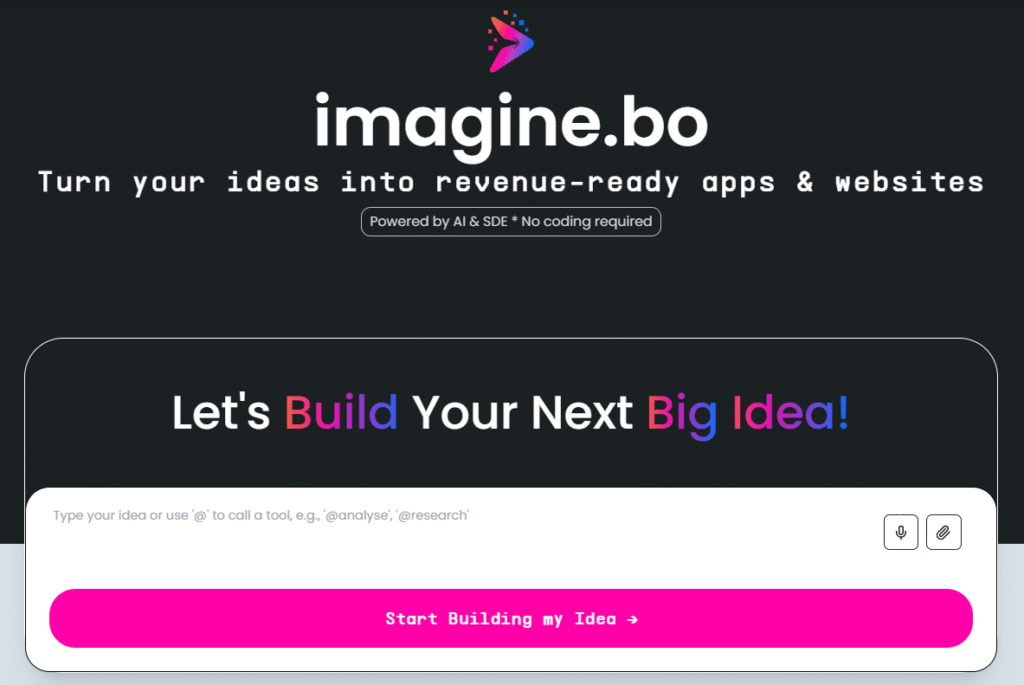
Imagine.bo is positioned perfectly at the intersection of AI, creativity, and speed. It’s an AI-powered no-code app development solution designed to democratize software development, making the creation of emotionally engaging experiences seamless:
- Focus on the Vibe, Not the Code: Users can describe their app idea—including the desired emotional experience and aesthetic—in plain English. The AI then instantly generates the foundational architecture and features. This allows designers, marketers, and artistic founders to execute their vision immediately.
- Rapid Emotional Prototyping: The 3-step process (Describe, Build, Launch) dramatically reduces time-to-market. You can test different emotional arcs and aesthetic designs instantly, making emotional prototyping faster than ever.
- Enterprise-Grade Foundation: Apps are scalable, secure, and GDPR/SOC2-ready, meaning your artistic creation is built on a robust, professional-grade platform.
- The Human Touch (The Vibe Backup): Uniquely, when AI automation reaches its limits, users can assign complex tasks to a professional human developer. This blend of AI speed and expert human support aligns perfectly with Vibe Coding’s emphasis on human-centric emotional connection, ensuring technical hurdles never compromise the intended ‘vibe’.
Imagine.bo bridges the gap between creativity and execution, empowering anyone to go from an emotional concept to a full-scale, functional, and aesthetically pleasing application in record time.
Applications and the Future of Vibe Coding
Vibe coding is finding its way into various fields, revolutionizing human-technology interaction.
Emotionally Engaging Digital Experiences
- Interactive Art Installations: Artists use vibe coding, sensors, and real-time data to create dynamic environments that respond to visitors’ movements and emotions, ensuring they become an integral part of the artwork.
- Emotionally Engaging Video Games: The gaming industry uses vibe coding to craft narratives and character development that evoke empathy, transforming play into a deeply memorable experience.
- Therapeutic Applications: Vibe coding is applied to mindfulness and relaxation programs, using calming visuals and soothing soundscapes to promote emotional well-being and stress reduction.
Redefining Human-Technology Interaction
As technology evolves (especially with VR, AR, and advanced AI), the potential for vibe coding will only grow. For instance, the rise of building AI agents with Vibe Coding is a major shift. Vibe coding has the power to redefine the way we interact with technology by prioritizing emotional engagement, making our digital tools more human-centric and meaningful. If you are exploring how to leverage this shift in your strategy, researching the best mobile app development software 2025 can provide a roadmap. This emphasis on emotional design is leading the way in making technology a more empathetic and fulfilling part of our lives. Vibe coding truly represents an exciting frontier where technology meets the human heart.
Launch Your App Today
Ready to launch? Skip the tech stress. Describe, Build, Launch in three simple steps.
Build