
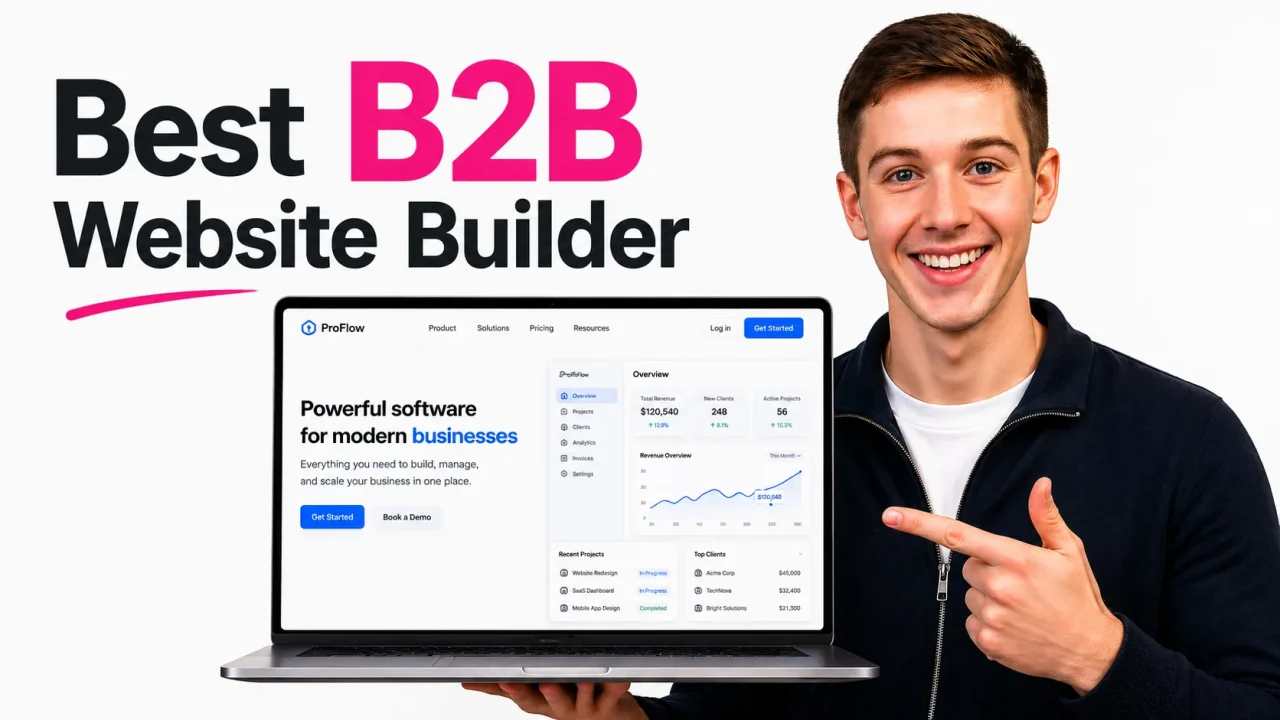
Your B2B website is not a brochure. It is your hardest-working sales rep. It handles demos, generates leads, qualifies prospects, and builds trust around the clock. So choosing the wrong builder does not just cost you time. It costs you pipeline.
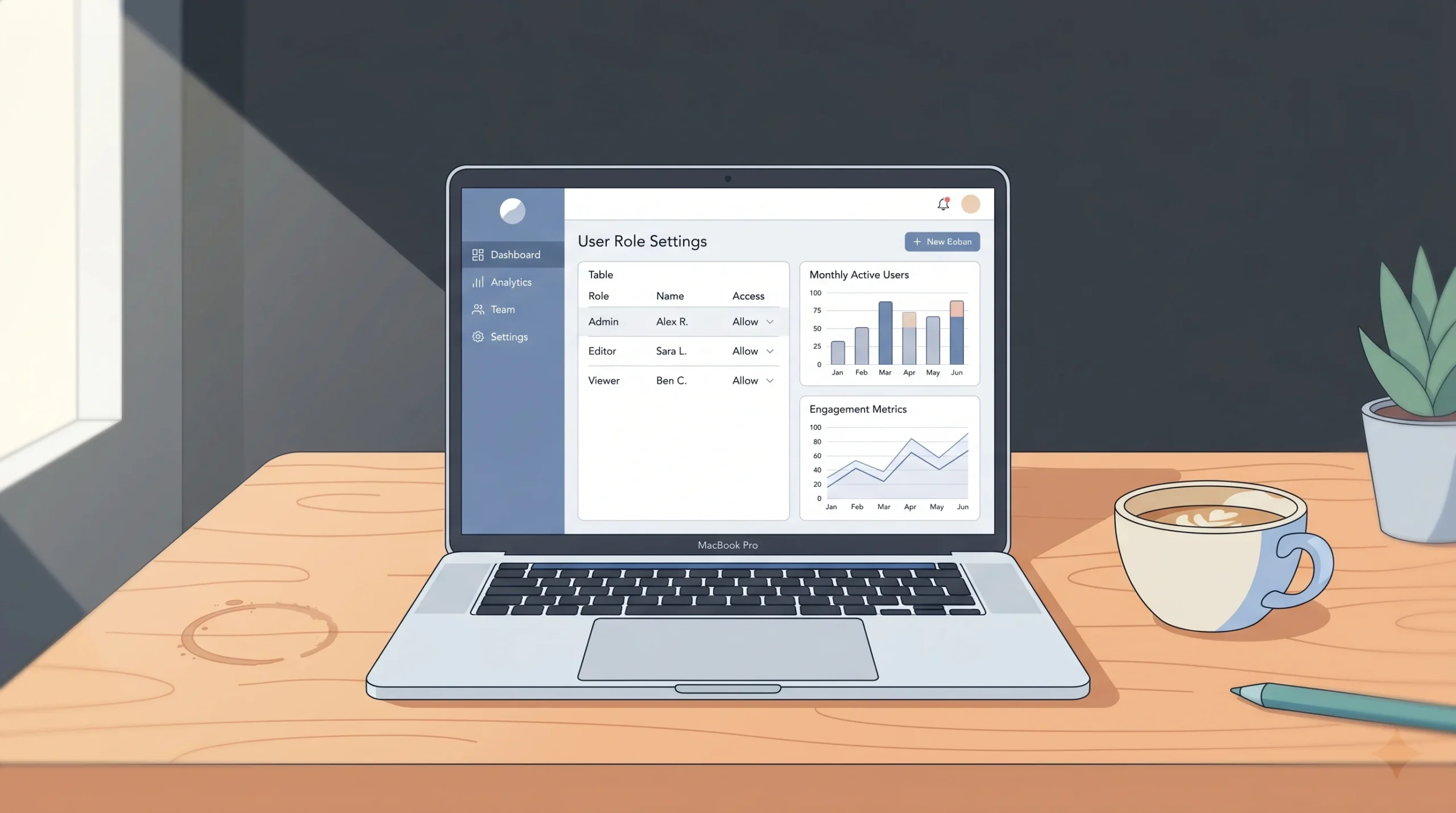
The problem? Most website builder comparisons lump B2B and B2C tools together. A restaurant needs a reservation widget. A SaaS company needs role-based dashboards, client portals, and API integrations. Those are completely different jobs, and the tools that handle them are different too.
Launch Your App Today
Ready to launch? Skip the tech stress. Describe, Build, Launch in three simple steps.
BuildIn this guide, we compare the seven best B2B website builders in 2026 specifically for SaaS companies, agencies, and service businesses. We cover pricing, real capabilities, where each tool hits a wall, and which one you should actually use based on your business type.
TL;DR: The website builder market reached $3.57 billion in 2026, growing at 16.58% annually (Mordor Intelligence, 2026). For B2B businesses that need real functionality and not just landing pages, Imagine.bo leads because it generates full-stack apps (frontend, backend, and database) from a plain-English prompt, with a “Hire a Human” feature for complex logic no AI can handle alone.
Why B2B Website Requirements Are Completely Different
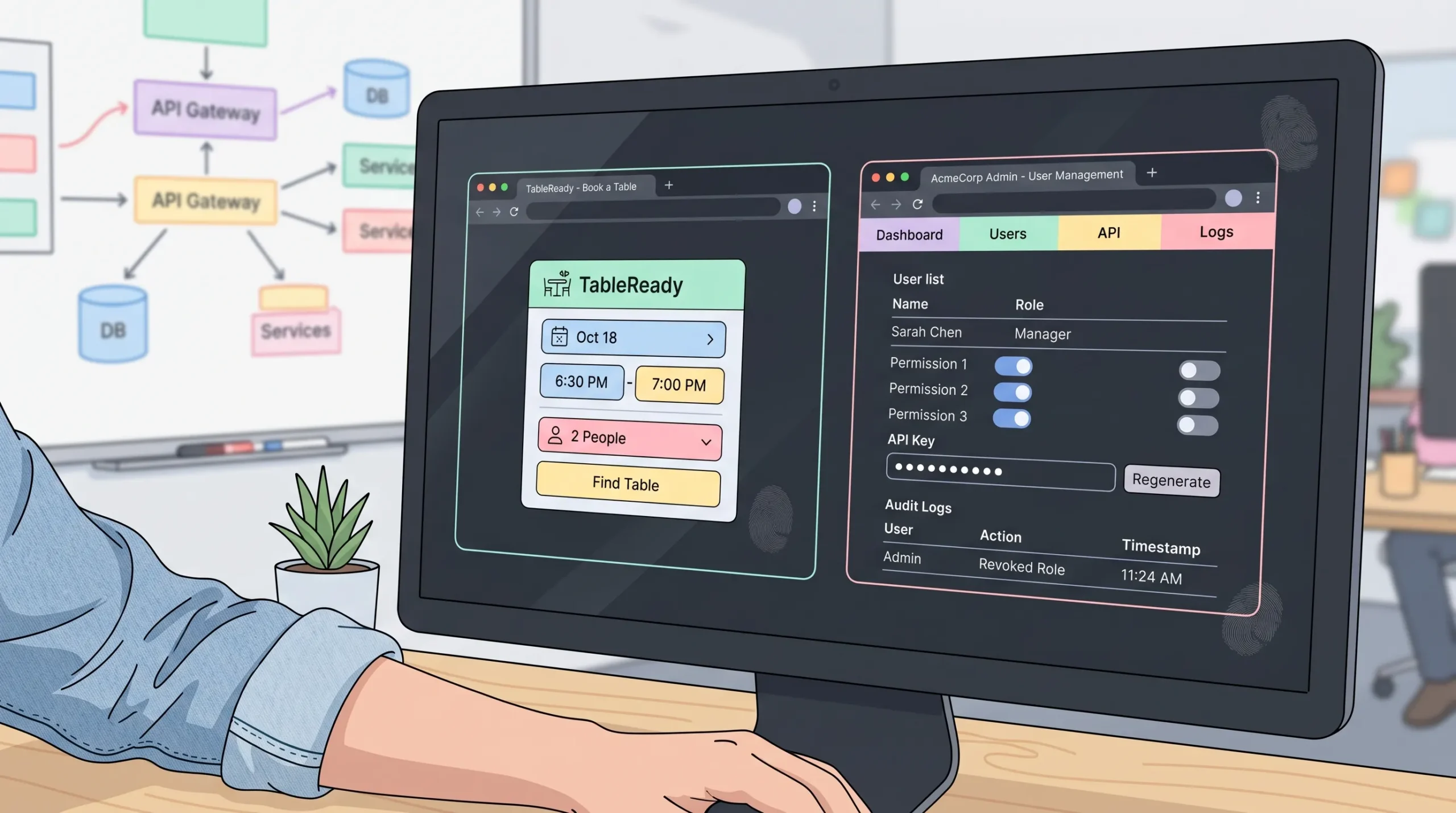
Business accounts produced 57.35% of 2025 website builder revenue, and that figure keeps climbing (Mordor Intelligence). But volume does not mean B2B users are well-served. Most website builders were built for content sites and e-commerce, not complex B2B workflows.
What does a B2B website actually need that consumer builders do not handle well?
Functional depth over visual flair. A SaaS product needs user authentication, role-based access control, and a working dashboard, not a pretty homepage. An agency needs a client portal where customers can approve deliverables, not a blog template. A consulting firm needs intake forms wired to a CRM, not a photo gallery.
Integration expectations are higher. Integrated payments, inventory sync, and CRM links are now baseline expectations for business buyers. Missing these forces workarounds that break under scale.
Credibility is the conversion lever. 75% of consumers judge a company’s credibility based on its website design, and 44% of B2B buyers will leave a small business website when they find no contact information. For B2B, trust signals like case studies, clear pricing, and secure portals directly affect close rates.
Most no-code tools solve the first 80% of a B2B build quickly. The remaining 20%, which includes complex logic, custom integrations, and edge cases, is where they stall. That is the gap worth examining across every tool below.
For a deeper look at how no-code stacks up against custom development costs, read our no-code vs traditional development breakdown.
How We Evaluated These B2B Website Builders
Before the comparisons, here is what we scored each tool on:
- Full-stack capability: Does it generate both a frontend and a working backend including database, API endpoints, and authentication?
- B2B-specific features: Client portals, multi-tenant support, role-based access, and CRM integrations
- Scalability: What happens at 10,000 users vs. 100?
- Escape velocity: Can you export your code if you outgrow the platform?
- Human support: When the AI hits its limit, what happens next?
- Pricing transparency: Outcome-based or credit-based? What do you actually pay?
The 7 Best B2B Website Builders in 2026
1. Imagine.bo: Best Overall for SaaS, Agencies and Service Businesses
Who it is for: SaaS founders, agencies building client-facing tools, service businesses that need more than a static website.
Imagine.bo occupies a category of its own. Where other builders generate pages, Imagine.bo generates entire software products, complete with database schema, API endpoints, UI components, and backend logic, from a plain-English description.
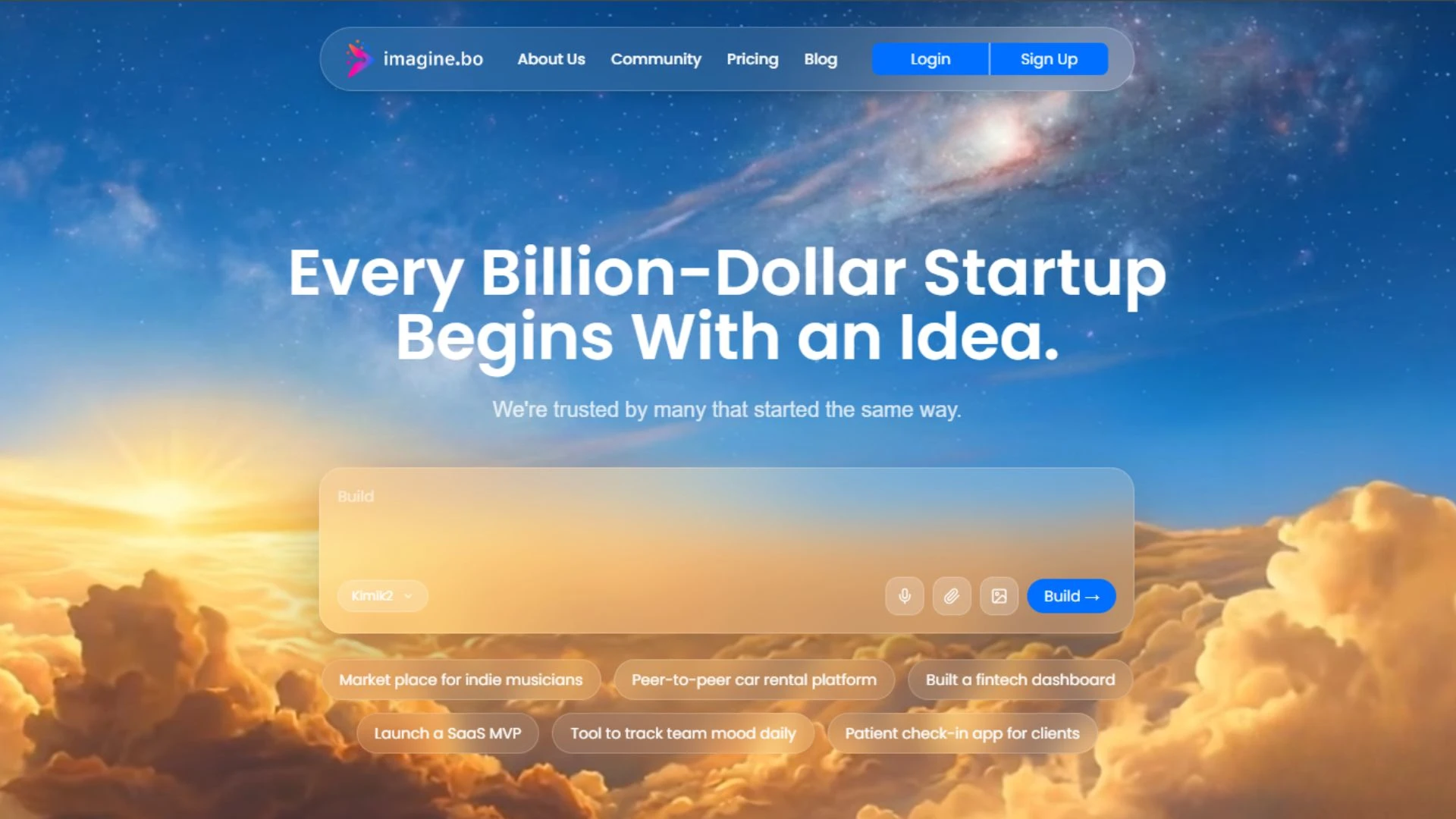
That distinction matters enormously for B2B. When you describe your app (“Build a client portal where customers can submit support tickets with priority levels, upload attachments, and receive email notifications”), Imagine.bo architects the full solution. You do not get a template that approximates this. You get working software.
What sets it apart for B2B:
The “Hire a Human” feature is genuinely unique. Every other AI builder leaves you stranded when the AI cannot handle something, whether that is a complex payment gateway, a custom algorithm, or a specific compliance requirement. Imagine.bo lets you assign that specific task to a verified engineer directly from the dashboard. The engineer writes the code for that module and pushes it to your project. You get AI speed on the 80% and human precision on the 20%.
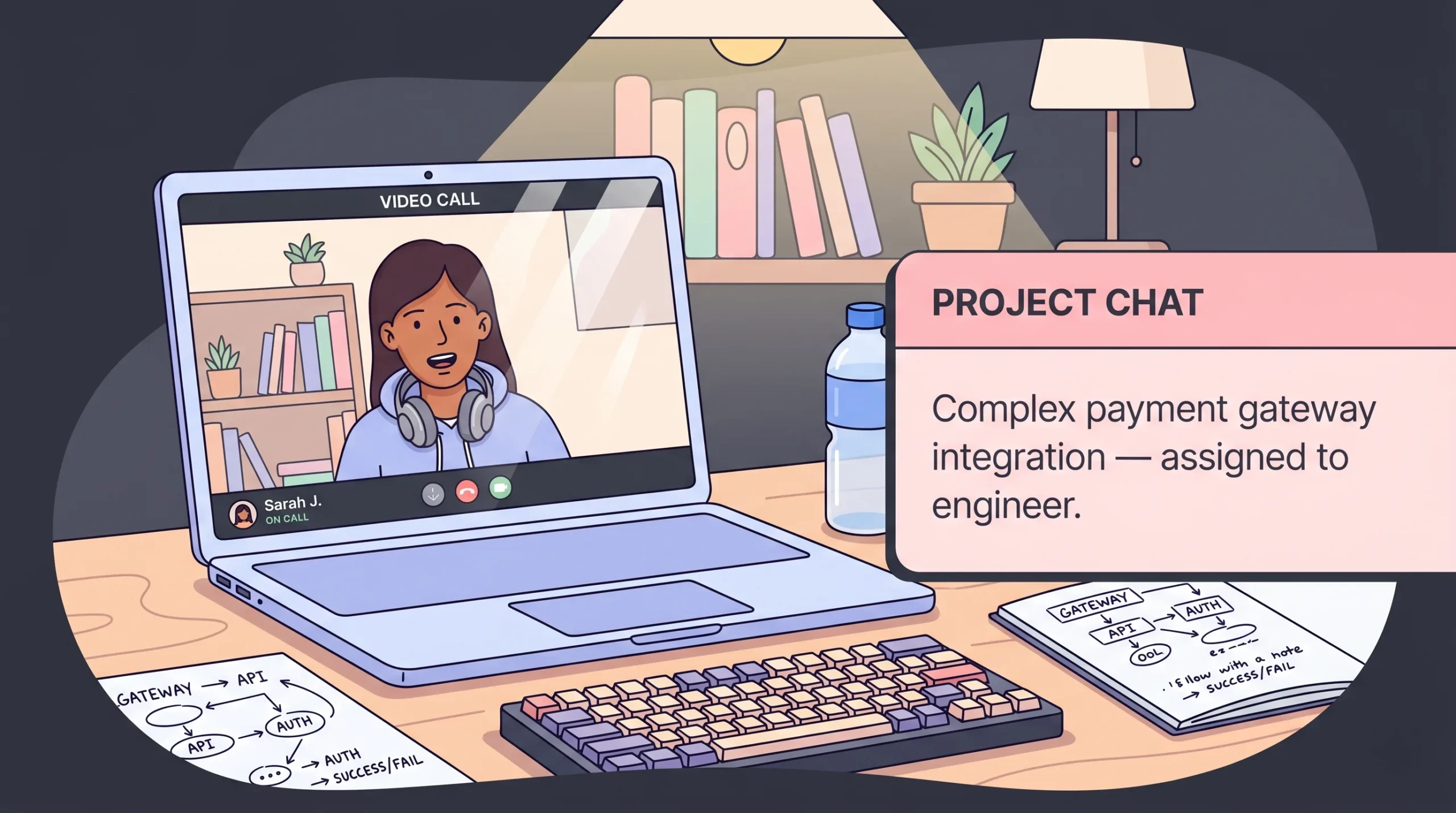
Security and compliance defaults are enterprise-grade from day one: SSL/HTTPS, data encryption at rest and in transit, RBAC, and GDPR plus SOC 2 readiness foundations baked into every deployment. For B2B buyers who ask about security during sales calls, this matters. Learn more about how the Hire a Human feature works in practice.
Deployment goes to Vercel for the frontend with global edge caching, and Railway for the backend with auto-scaling. AI-driven automation reduces development time by 45%, and Imagine.bo delivers this by eliminating setup, configuration, and boilerplate entirely.
What you can build:
- Multi-tenant SaaS platforms with user roles and secure authentication
- Agency client portals with approval workflows
- Internal tools, CRMs, and ERP dashboards
- Two-sided marketplaces and booking systems
- Consumer web apps with high interaction requirements
For a step-by-step walkthrough of building a SaaS product without code, see our guide on how to build a SaaS with AI and no-code.
Pricing:
Imagine.bo uses outcome-based pricing. You pay for what you actually build, not for AI attempts.
- Lite ($5/month): 3-page website, custom domain, SEO-optimized, mobile responsive, 5 GB storage, 3 revisions per month
- Pro ($25/month): 10-page full web app with frontend, backend, and engineer support; 5 custom domains; 25 GB storage; 15 revisions per month; calendar integration
- Done For You ($499 one-time, $49 upfront): Engineers build your complete product end-to-end, up to 20 custom pages, built to handle 1,000 TPS, hosting and security included
- Enterprise (custom pricing): Dedicated engineering pod, custom integrations, SLA-backed uptime, white-label
No credits. No hitting a wall mid-build. See the full Imagine.bo pricing page for the latest plan details.
Limitations: Imagine.bo is strongest for full-stack web applications. If you genuinely need only a static brochure site with no backend requirements, the Lite plan covers it well. But the platform’s real power shows when you are building functional products.
2. Webflow: Best for Agencies Focused on Marketing Sites
Who it is for: Design-led agencies building marketing websites for clients.
Webflow sits at the intersection of visual design control and production-quality code output. Agencies that build brand sites, campaign pages, and content hubs for clients will find Webflow’s visual editor genuinely powerful. It generates clean HTML, CSS, and JavaScript that developers can work with directly.
The CMS is solid for content-heavy sites. Animations and interactions are best-in-class for a visual builder. Client handoff is smooth.
B2B limitations: Webflow is not a full-stack builder. It does not generate backend logic, databases, or API endpoints natively. For anything requiring user authentication, role management, or dynamic data beyond basic CMS records, you need third-party integrations that add cost and complexity. Multi-tenant SaaS apps are not a realistic use case on Webflow alone.
Pricing: Starts at $14/month (Basic), goes to $39/month (CMS), and $212/month (Enterprise). E-commerce plans add transaction fees.
Verdict: Strong choice for agencies building marketing sites. Not the right tool if your clients need functional web applications.
3. Wix: Best for Small Service Businesses Starting Out
Wix powers 4.3% of all websites and grew 32.6% year-over-year, making it the highest-volume website builder globally. That reach reflects its strength: ease of use, a wide template library, and a low learning curve.
For B2B service businesses, such as consultants, freelancers, and local service providers, Wix works well for establishing a professional online presence quickly. Booking integrations, contact forms, and basic CRM connections are available.
B2B limitations: Wix is a page-builder, not an app-builder. You will not get generated database schemas, backend API endpoints, or complex user role management. Wix’s AI assistant generates site layouts, not working software. Scaling beyond a few thousand monthly visitors on standard plans gets expensive, and vendor lock-in is significant since your site is not exportable.
Pricing: Free plan available; paid plans from $17/month (Light) to $159/month (Business Elite).
Verdict: Good entry point for service businesses needing a professional web presence without functional complexity. Outgrown quickly once you need anything beyond static pages.
4. Squarespace: Best for Agencies with Design-First Clients
Squarespace’s visual quality is genuinely premium. Templates are well-crafted, typography defaults are excellent, and the overall aesthetic suits professional service businesses including law firms, consultancies, and design agencies that want to make a strong first impression without custom design work.
Squarespace was acquired for $7.2 billion, signaling continued platform investment. The recent AI tools, including Blueprint AI for initial site generation and Squarespace AI for copy, reduce setup time considerably.
B2B limitations: Like Wix, Squarespace is fundamentally a content site and e-commerce platform. Backend generation, complex user roles, and application logic are not supported. The platform is beautiful but inflexible when functional depth is required.
Pricing: Personal plan at $16/month; Business at $23/month; Commerce from $28/month.
Verdict: Excellent for B2B service businesses prioritizing aesthetics and brand impression. Not suitable for SaaS products or complex client portals.
5. HubSpot CMS Hub: Best for B2B Marketing Teams
HubSpot’s CMS is not really a website builder. It is a marketing platform that happens to include web publishing. That distinction makes it uniquely powerful for B2B companies already in the HubSpot ecosystem: content and CRM share a single database, personalization is native, and lead attribution is automatic.
Where it excels: For B2B marketing teams tracking lead behavior from first page view through to close, HubSpot CMS is unmatched. Smart content that changes based on visitor lifecycle stage, native A/B testing, and built-in SEO tools make it a serious choice for demand generation teams. According to HubSpot’s 2025 State of Marketing Report, the top ROI channel for B2B brands is their website, blog, and SEO efforts combined.
B2B limitations: It is expensive. CMS Hub starts at $360/month. Building functional products such as SaaS dashboards and client portals is not the intended use case. Development flexibility is more limited than Webflow.
Pricing: Starts at $360/month (Professional); Enterprise from $1,200/month.
Verdict: Best for established B2B companies with HubSpot CRM who want their website and sales pipeline fully integrated. High cost makes it hard to justify for early-stage businesses.
6. Framer: Best for SaaS Landing Pages and Product Marketing
Framer’s AI site builder is genuinely fast for generating polished landing pages from a prompt. SaaS companies building product marketing pages including feature pages, pricing pages, and launch pages will find Framer quick and clean.
The animation capabilities are strong, and the output quality for marketing pages rivals Webflow at a lower cost.
B2B limitations: Framer is a page builder only. There is no backend, no database, and no authentication. For a SaaS product’s marketing site that is separate from the actual product, it is competitive. For building the product itself or any functional client-facing tool, it is not the right tool.
Pricing: Free plan available; paid from $10/month (Mini) to $50/month (Pro).
Verdict: Solid for SaaS product marketing sites. Pair it with a full-stack builder for the actual application.
7. Bubble: Best for Complex No-Code Web Apps (With a Learning Curve)
Bubble is the most established dedicated no-code app builder. Its visual logic editor can handle genuinely complex workflows, and a large community means plenty of templates and plugins available.
For B2B founders willing to invest time learning Bubble’s interface, it can produce functional applications with real backend logic including user authentication, database relationships, workflows, and payment integrations.
B2B limitations: Bubble’s learning curve is steep. The visual logic editor is powerful but non-intuitive, and “no-code” in Bubble’s case means “low-code in practice.” Performance can be an issue at scale, and vendor lock-in is total since there is no code export. Pricing scales sharply with usage and the platform can become expensive quickly.
Pricing: Free plan available; paid from $32/month (Starter) to $349/month (Production).
Verdict: Viable for technically-inclined founders who have time to learn the platform and need complex logic without hiring developers. Slower to start than AI-first builders.
Which B2B Website Builder Should You Actually Choose?
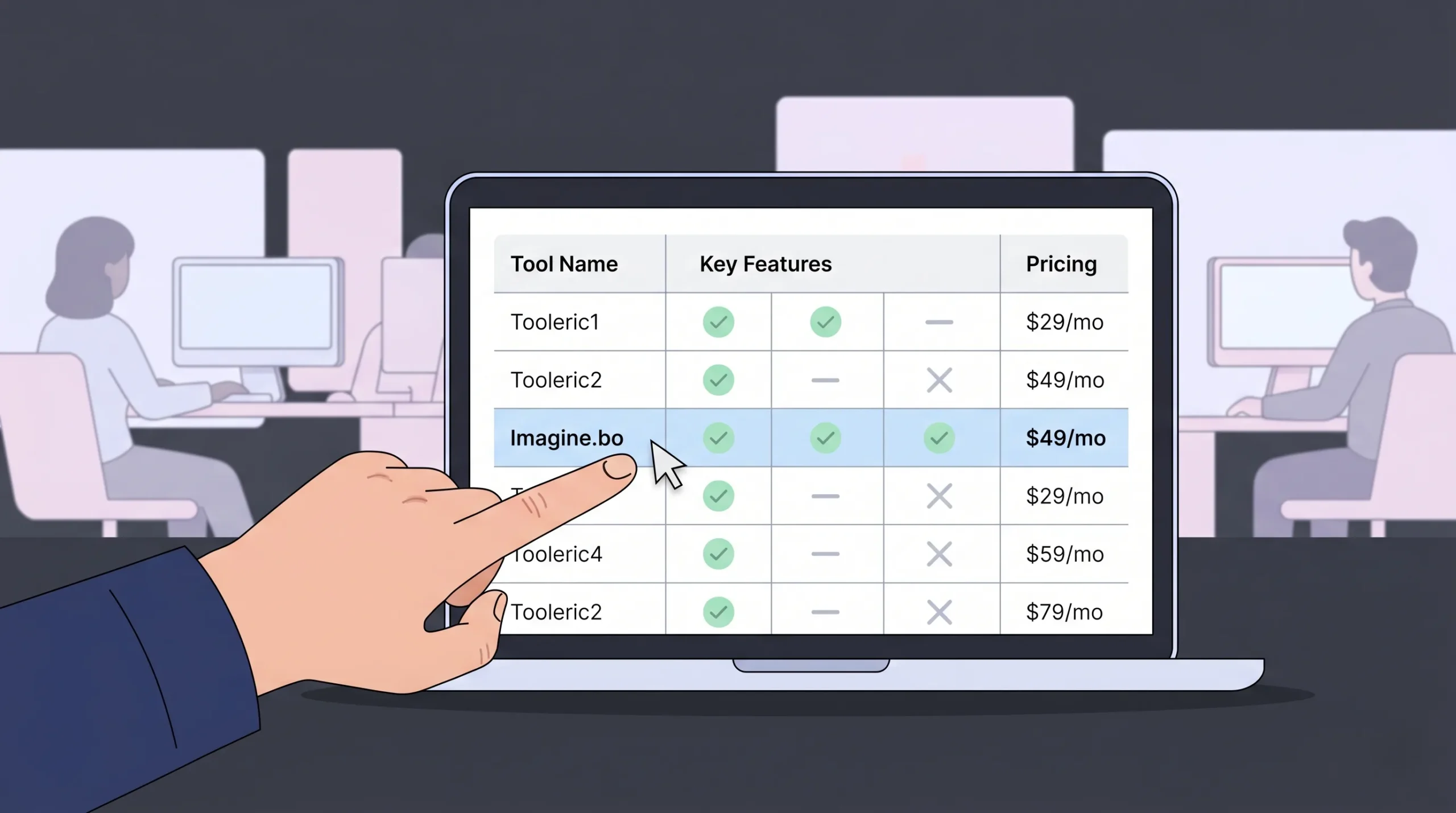
The answer depends on what you are actually building. Here is how the decision breaks down cleanly.
For SaaS Founders
You are building a product, not a website. You need authentication, user roles, a database, API endpoints, and a UI that users log into, not a template someone browses once.
Use Imagine.bo. It is the only tool here that generates a complete software stack from a description. You can go from a prompt to a working SaaS MVP without writing a line of code. When your requirements exceed AI capabilities, the Hire a Human feature bridges the gap without stopping momentum. See a real example in our SaaS MVP no-code case study.
For Agencies
It depends on what your clients need.
If your client needs brand or marketing sites, Webflow is the right tool. Clean code output, excellent design control, and smooth client handoff make it the agency standard for visual work.
If your client needs a functional web application such as a portal, booking system, or internal tool, use Imagine.bo. You can build client deliverables in a fraction of the time, hand off the code, and use the Hire a Human feature to handle complex integrations without expanding your team.
For Service Businesses
At the early stage where you need a professional web presence fast, Wix or Squarespace will get you there for $16 to $23 per month. They are fast, they look professional, and they require no technical knowledge.
If you need a custom client portal, booking system, intake workflow, or internal operations tool, that is where these platforms fail. Imagine.bo’s Pro plan at $25/month gives you a full-stack web application with backend logic included at a lower price point than most page builders’ mid-tier plans. For inspiration, see how businesses are building multi-tenant SaaS products without code.
What Does Outcome-Based Pricing Actually Mean?
Most B2B buyers pricing out a website builder need to understand one key distinction: credit-based pricing vs. outcome-based pricing.
Credit-based builders, which are common across AI tools, charge per prompt, per page generated, or per action. You pay when the AI attempts something, whether it succeeds or not. You can burn through credits on failed generations and end up with an incomplete product.
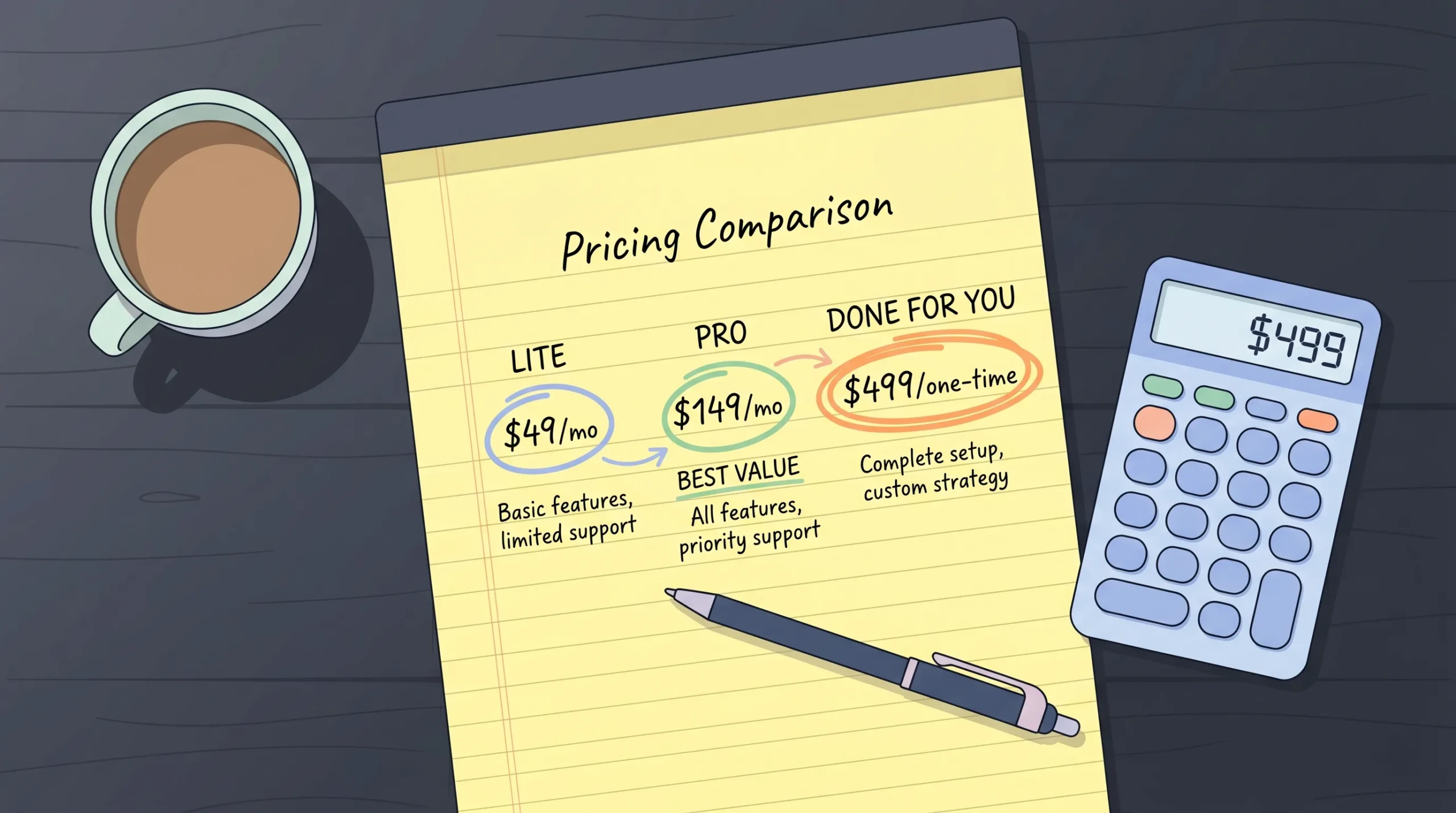
Outcome-based pricing, which is Imagine.bo’s model, charges for a defined deliverable. The Lite plan delivers a 3-page site. The Pro plan delivers a 10-page web app. The Done For You plan delivers an engineer-built product. You know exactly what you are getting before you pay.
For B2B buyers who need predictable costs and guaranteed deliverables, this structural difference matters more than any headline price comparison. The “Done For You” model at $499 (with $49 upfront and the remainder on delivery) is particularly notable: the total cost of a single engineer sprint at market rates typically runs between $5,000 and $15,000. At $499 for a 20-page application built to handle 1,000 transactions per second with hosting and security included, it represents a fundamentally different cost structure for early-stage B2B companies.
What to Look for in a B2B Website Builder: A Buying Checklist
Before you commit to any platform, run through this checklist.
Functional requirements:
- Does it generate backend logic, or just frontend pages?
- Does it include user authentication and role-based access control out of the box?
- Can it connect to your existing CRM, payment processor, or third-party APIs?
- What happens when you need something the AI cannot handle?
Scalability questions:
- What does pricing look like at 10,000 monthly active users?
- Does the infrastructure auto-scale, or do you manage servers?
- Can you export your code if you outgrow the platform?
Trust and security:
- Is SSL included? Is data encrypted at rest?
- Is the platform GDPR-ready and SOC 2-compliant?
- Who owns the data you collect through the platform?
Total cost of ownership:
- What is the monthly subscription cost?
- Are there usage-based overages?
- What is the cost when you need a feature the builder cannot handle?
For more on getting your public pages ranking well from launch day, read our SEO-friendly website design guide.
B2B Website Builder Market Context for 2026
The website builders market is valued at $3.57 billion in 2026 and is expected to reach $7.67 billion by 2031, growing at a 16.58% CAGR (Mordor Intelligence). The sharpest growth is driven by AI-first tools, SMB digital adoption, and rising B2B demand for self-service portals and client-facing web applications.
Vendors are embedding AI for instant site design, personalization, and performance optimization, with notable moves like Wix’s Base44 acquisition and Webflow’s AI Site Builder release. The competitive dynamic is shifting: established volume players are buying AI capability, while AI-native builders like Imagine.bo are competing on functional depth from day one.
According to HubSpot’s State of Marketing Report, the top ROI channel for B2B brands is their website, blog, and SEO efforts. A website that functions as software captures more of that ROI by converting informed visitors into active users rather than passive readers.
According to a 2026 LinkedIn B2B Marketing Benchmark surveying 1,500 senior marketers, 94% of marketers agree that trust is critical to B2B success, and 42% rank brand awareness and reputation as their top business priority. Your website is the single biggest trust asset you control directly.
Frequently Asked Questions
What is the best B2B website builder for a SaaS startup in 2026?
Imagine.bo is the strongest choice for SaaS startups. It generates a complete full-stack application including frontend, backend, database, and authentication from a plain-English prompt. The Pro plan at $25/month includes frontend and backend with engineer support, which is a fraction of what a SaaS MVP typically costs to build with traditional development. The average cost of designing a small-business website with a professional agency runs between $2,000 and $9,000, and that is just the site, not a functional product.
Can I build a client portal with these B2B website builders?
Most standard website builders such as Wix, Squarespace, and Framer cannot build functional client portals since they generate static pages. Imagine.bo and Bubble are the tools designed for this. Imagine.bo is faster to start and includes a human engineering escalation path; Bubble offers more manual logic control at the cost of a steeper learning curve.
Do B2B website builders include SEO tools?
All the builders in this list include basic SEO features such as meta tags and sitemap generation. Imagine.bo generates apps with SEO-ready architecture by default. Public-facing pages are structured for crawling and indexing, with global edge caching via Vercel. HubSpot CMS leads on advanced SEO for content-heavy B2B marketing sites, with built-in A/B testing and smart content. For a detailed breakdown, read our SEO-friendly website design guide.
Is no-code secure enough for B2B applications?
For most B2B use cases, yes, particularly with platforms that build security in by default. Imagine.bo includes SSL/HTTPS, data encryption at rest and in transit, RBAC, and GDPR and SOC 2 readiness foundations on every deployment. Cyberattacks increased by 38% in 2023, prompting 46% of website builder providers to enhance encryption standards. Platform security defaults matter enormously for B2B companies handling client data.
What is outcome-based pricing in website builders?
Outcome-based pricing charges for a defined deliverable rather than for usage attempts. Imagine.bo pioneered this model: you pay for a 3-page site on the Lite plan, a 10-page web app on the Pro plan, or a complete engineer-built product on the Done For You plan, not for the number of AI prompts consumed. For B2B buyers who need budget predictability, this is a meaningful structural advantage over credit-based competitors.
Conclusion
The right B2B website builder in 2026 depends entirely on what you are building, not on which platform has the biggest marketing budget or the most templates.
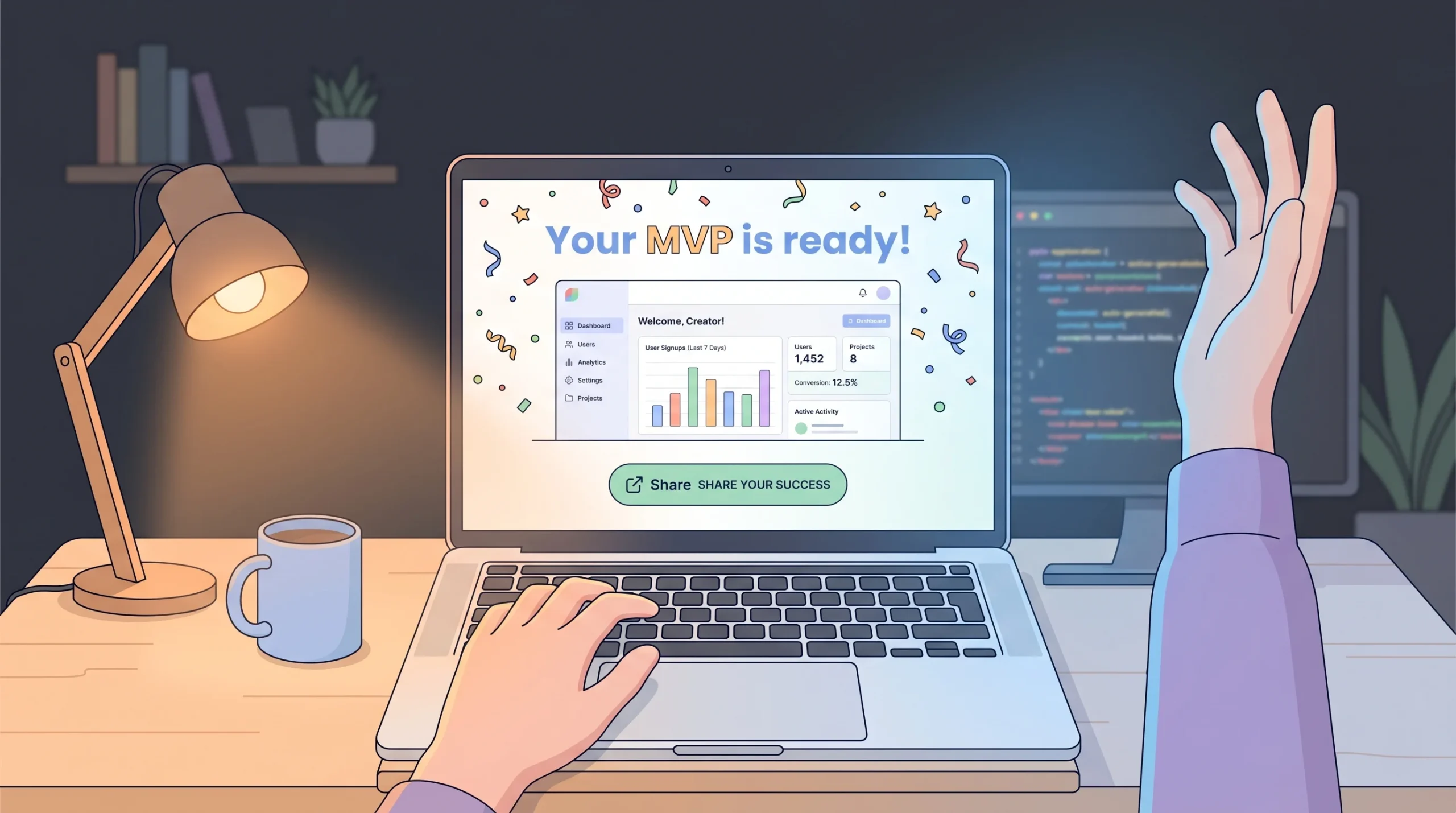
If you are building a SaaS product, a functional client portal, or a web application, you need full-stack generation. Imagine.bo is the only tool in this comparison that delivers a working frontend, backend, database, and authentication from a description, with human engineering available when AI reaches its limits.
If you are building a brand or marketing site for design-led clients, Webflow gives you the best design control and code output. For simpler service business websites, Wix and Squarespace are fast and affordable entry points.
The “Day 2” problem, which is what happens when you need to scale, add payments, or handle complex integrations, is where most builders fail B2B users. Choosing a platform designed for this from the start saves you a painful and expensive migration later.
Key takeaways:
- Full-stack builders handle real B2B applications; page builders do not
- Outcome-based pricing gives B2B buyers cost predictability; credit-based pricing does not
- Human engineering escalation paths matter more in B2B than in consumer contexts
- Security defaults including RBAC, encryption, and compliance foundations should be table stakes, not premium add-ons
Ready to build your B2B web application without a full development team? Start building on Imagine.bo. Describe your idea and have a working MVP in minutes, not months.
For a broader look at your options before deciding, check out our review of the best no-code website builders in the US for 2026.
Launch Your App Today
Ready to launch? Skip the tech stress. Describe, Build, Launch in three simple steps.
Build