
If you have ever felt like a number at a large digital agency, you already understand the appeal of boutique web development. But the term gets used loosely, so here is a precise answer before anything else.
Boutique web development refers to a focused, highly personalized approach to building websites and web applications, where the team is small, the attention to your project is deep, and the output is custom-built for your specific business, not adapted from a generic template. A boutique web development agency typically works with a limited number of clients at a time, which means your project is never deprioritized in favor of a larger account.
Launch Your App Today
Ready to launch? Skip the tech stress. Describe, Build, Launch in three simple steps.
Build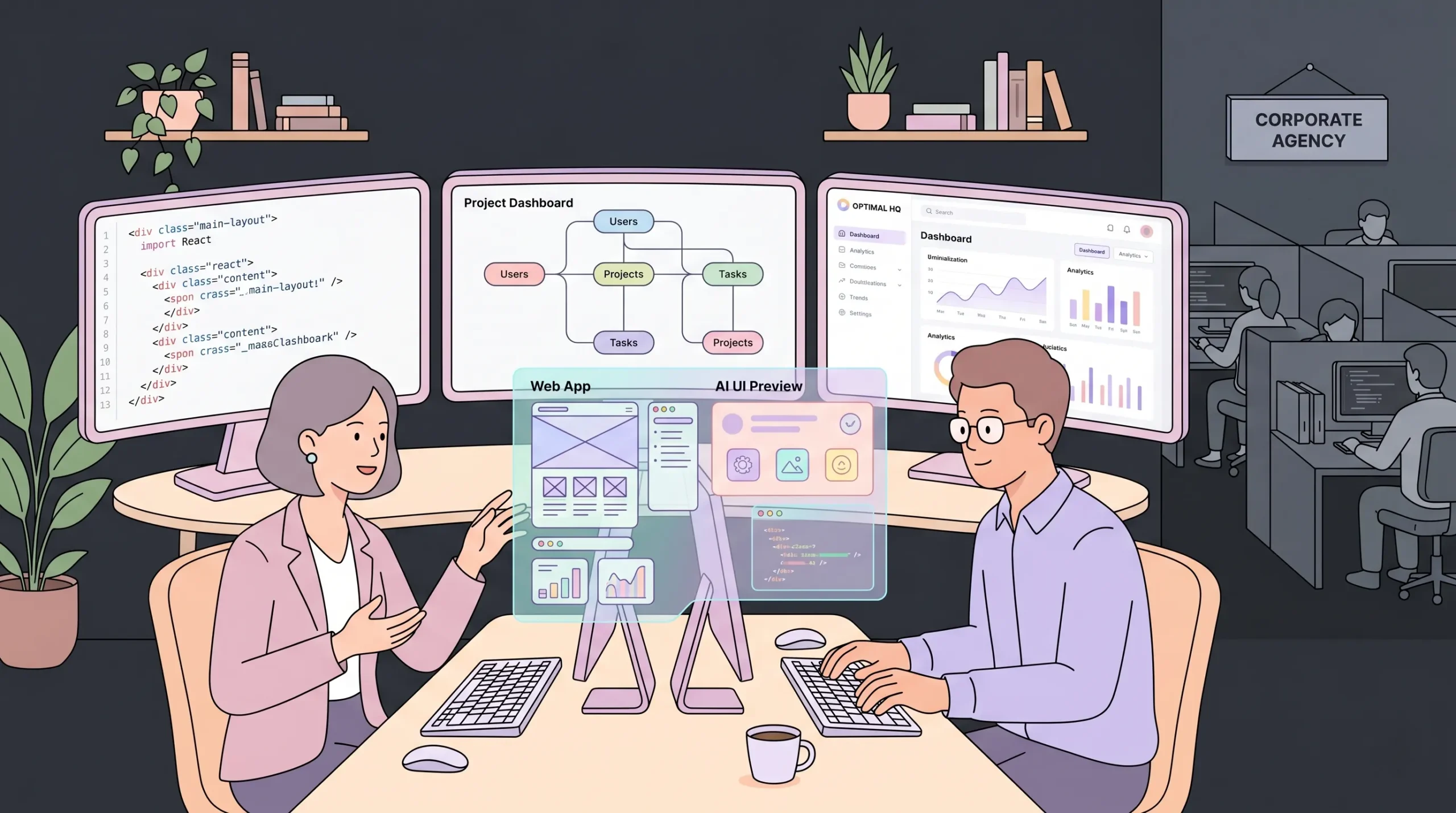
The contrast with a traditional large agency is significant. At a 200-person agency, your project may pass through a salesperson, an account manager, a project manager, a designer, a developer, and a QA team. At a boutique studio, the person who understands your vision is often the same person building it. That direct line between intent and execution is the defining characteristic of boutique web development.
In 2026, this model has evolved. AI-powered platforms are now able to replicate the speed, customization, and attentiveness that used to require a specialized team of five to ten people. This guide explains both the traditional model and the modern AI-powered version, so you can make the right choice for your business.
Why Businesses Are Moving Toward Boutique Web Development
The shift toward boutique web development is not a trend driven by aesthetics. It is driven by concrete frustrations with how large agencies operate and clear business advantages that smaller, more focused teams consistently deliver.
The Problem with Large Agencies
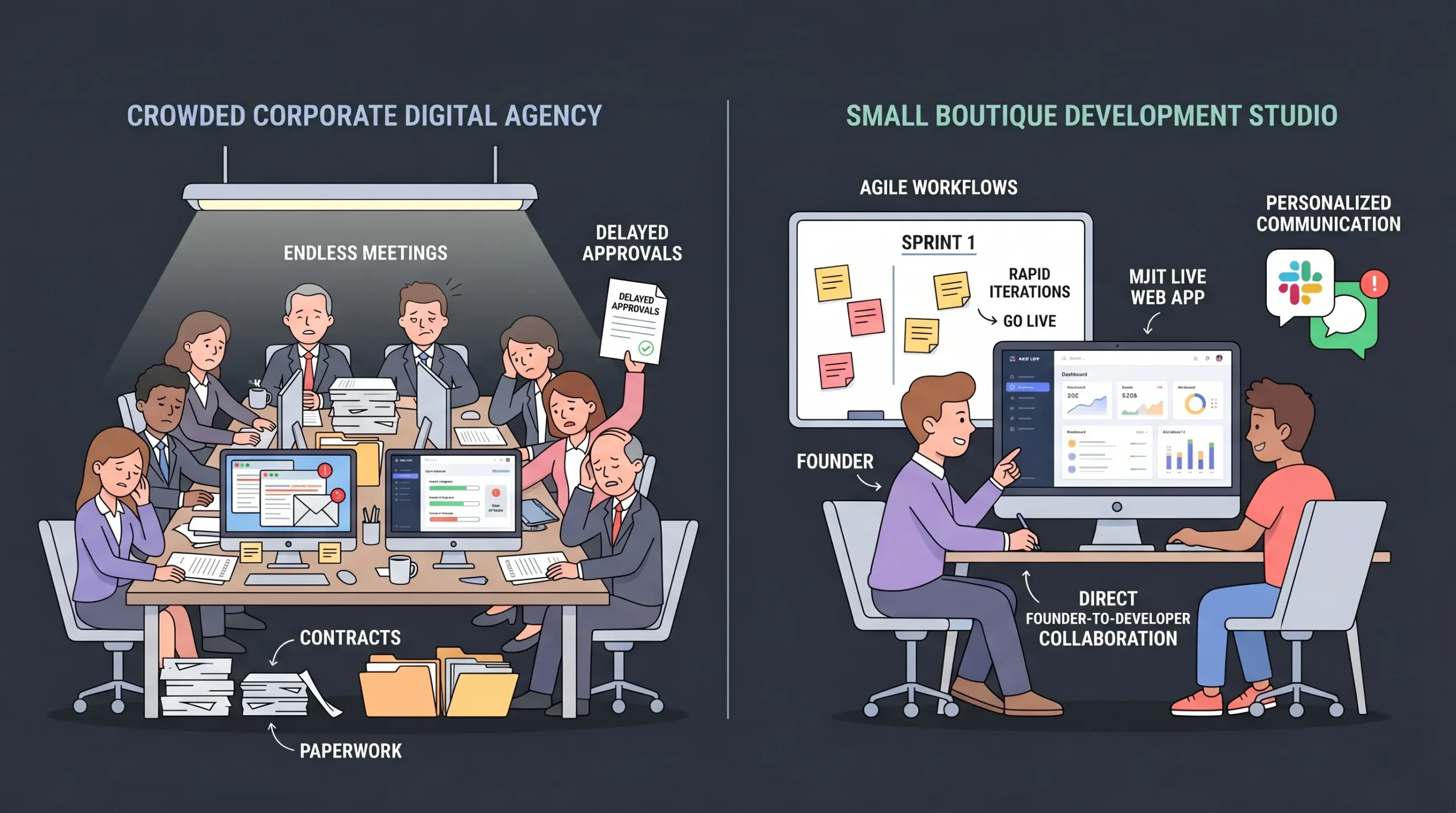
Large agencies introduce structural inefficiencies that directly affect your project. According to research from McKinsey Digital, software projects at large organizations run over budget 45 percent of the time, and over schedule 7 out of 10 times. Much of that overhead comes from internal communication layers that simply do not exist in a smaller, more agile setup.
When you hire a large agency, you are also paying for their office leases, HR departments, and non-billable staff. Those costs appear in your invoice. A boutique team does not carry that overhead, which is one reason boutique web development is frequently both higher quality and more affordable than its larger counterpart.
What Boutique Teams Deliver That Large Agencies Frequently Do Not
There are four specific advantages that boutique web development consistently produces.
Personalized strategy. A boutique team learns your business deeply. They understand your customer journey, your competitors, and your revenue model before writing a single line of code. This strategic layer often determines whether a website actually generates leads or simply looks impressive.
Faster iteration cycles. Without internal approval chains, changes happen quickly. You request a revision and it is implemented, reviewed, and live within hours or days, not weeks.
Direct communication. You speak with the people doing the work. There is no account manager translating your feedback and inevitably losing nuance in the process.
Genuine ownership of your project. Because boutique teams work with fewer clients, your project carries real weight in their portfolio. They have a reputation stake in making it excellent.
What Does Boutique Web Development Actually Cost?
Cost is where many businesses get surprised. The perception is that boutique web development is always the premium option. The reality is more nuanced.
A boutique web development agency typically charges between $5,000 and $50,000 for a full custom website project, depending on complexity. A large enterprise agency might charge $100,000 or more for the equivalent scope, largely because of the overhead costs described above. A freelancer might charge $2,000 to $8,000 but without the strategic depth or post-launch support structure.
The more meaningful question is not the upfront cost but the cost per outcome. If a boutique-built site converts visitors into customers at twice the rate of a templated site, the higher initial investment pays for itself quickly.
In 2026, a third option has entered this conversation: AI-powered boutique development platforms that deliver custom, full-stack web applications for a fraction of traditional agency prices. Platforms like Imagine.bo have changed the pricing math entirely.
How AI Has Redefined Boutique Web Development in 2026
The core appeal of boutique web development has always been customization combined with attention. AI has now made it possible to deliver both at scale, without the traditional tradeoff between quality and cost.
From Concept to Deployed Application in Minutes
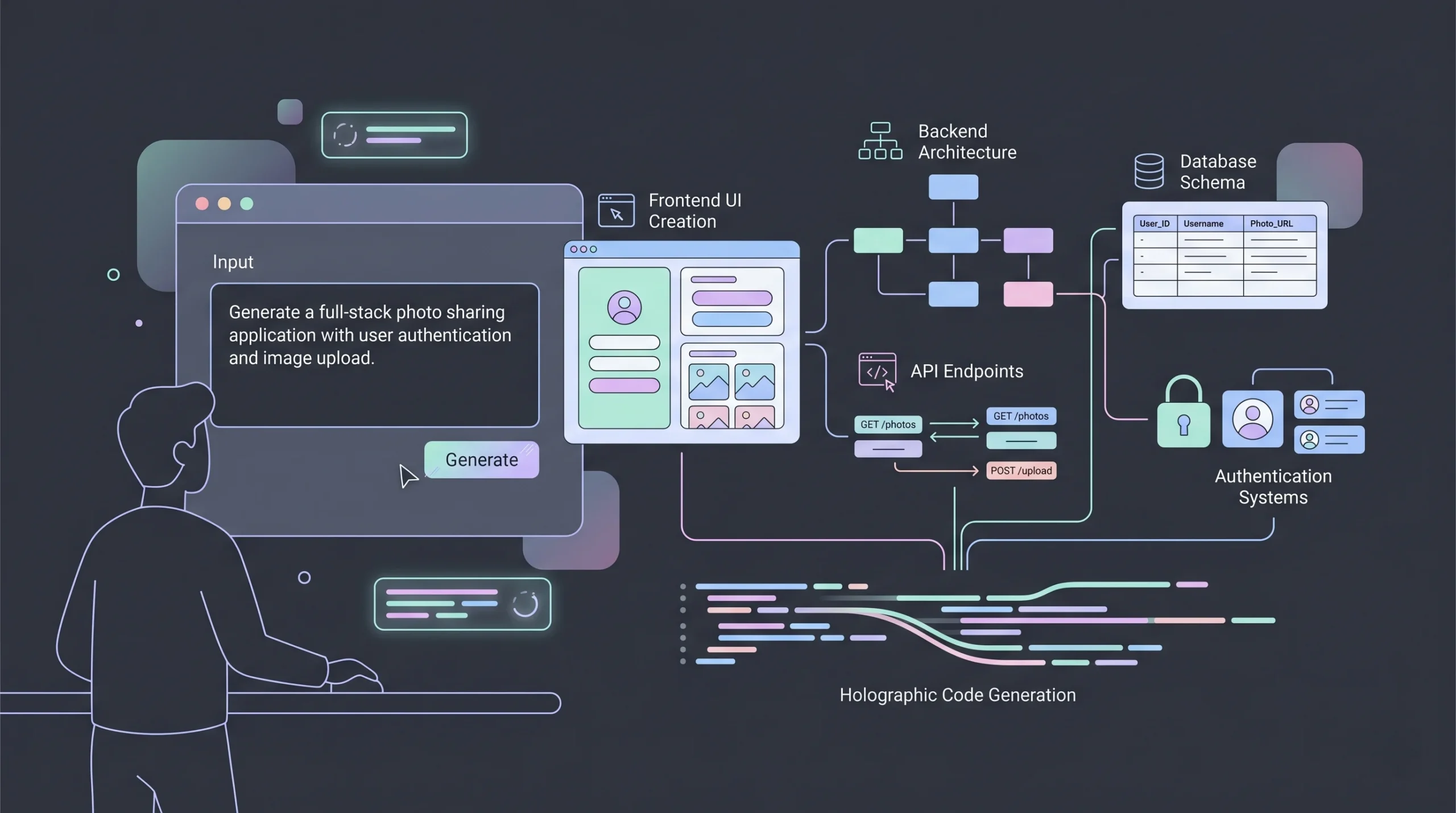
Modern AI development platforms can generate a complete web application, including frontend interface, database schema, API endpoints, and authentication logic, from a plain English description. This capability removes the first three to six months of traditional development time.
What used to require a boutique team of four people working for two months can now be produced in a single session. The human expertise has not been removed from the equation. It has been repositioned. Instead of spending time on boilerplate setup, developers now focus on the logic, integrations, and refinements that actually differentiate your product.
This is the model that Imagine.bo operates on. The platform uses AI to generate the full application structure, then makes experienced engineers available on demand for the tasks that genuinely require human judgment.
The Human in the Loop: Why It Still Matters
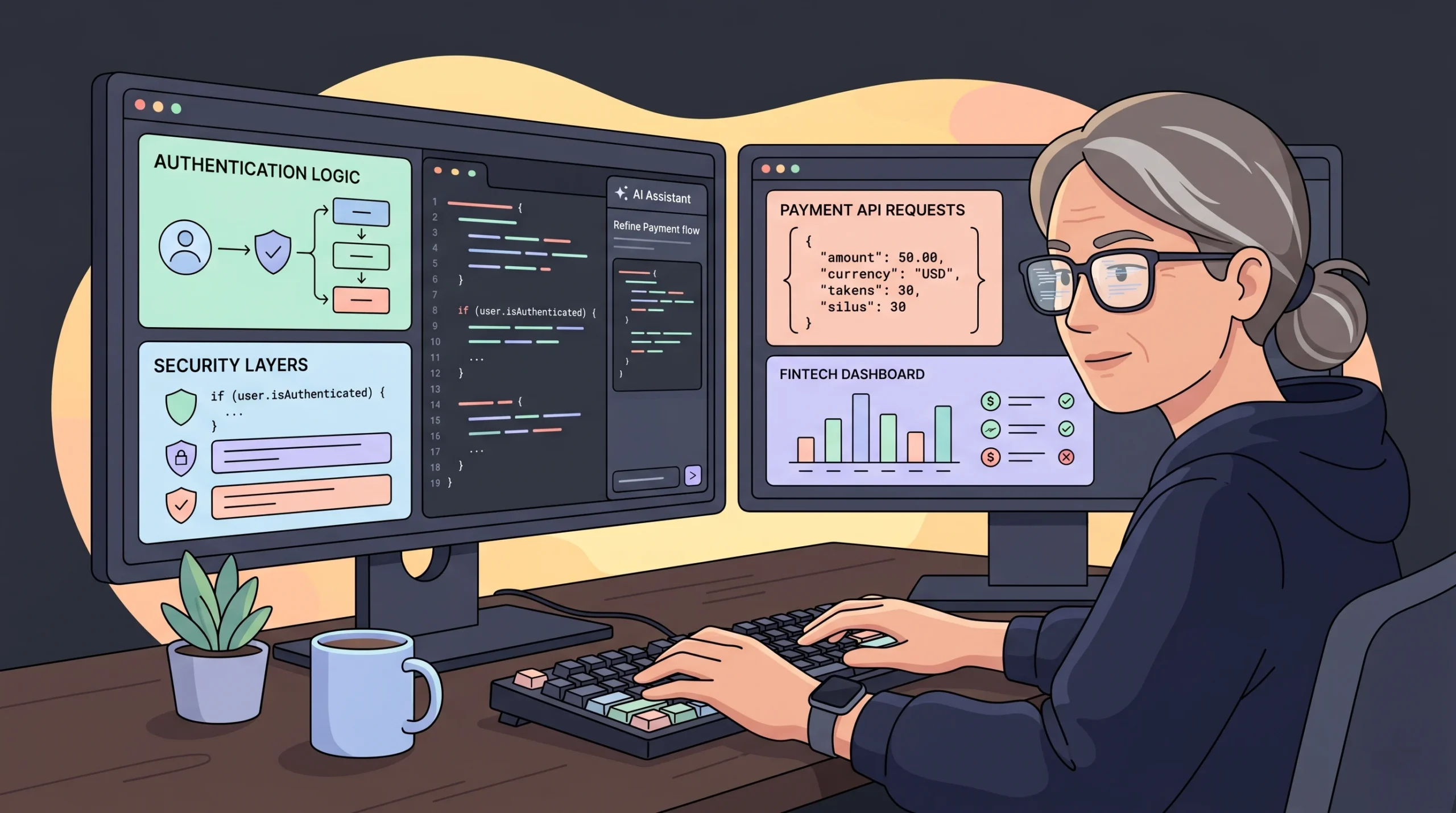
No honest assessment of AI-powered development in 2026 claims that AI handles everything perfectly. The platforms that acknowledge this openly are the ones worth trusting.
Imagine.bo’s “Hire a Human” feature is a direct response to this reality. When your project needs a complex payment integration, a custom algorithm, or a security-sensitive module, you can assign that specific task to a verified engineer directly from your dashboard. The engineer writes the code, reviews it, and pushes the update to your project.
This hybrid model is arguably the most accurate digital representation of boutique web development: personalized attention, expert execution, and a direct relationship between the people doing the work and the person who commissioned it. You can explore how AI and human engineering work together on web builds here.
Who Should Choose Boutique Web Development?
Boutique web development is not the right choice for every project. Here is a direct breakdown of who benefits most.
Founders and Early-Stage Startups
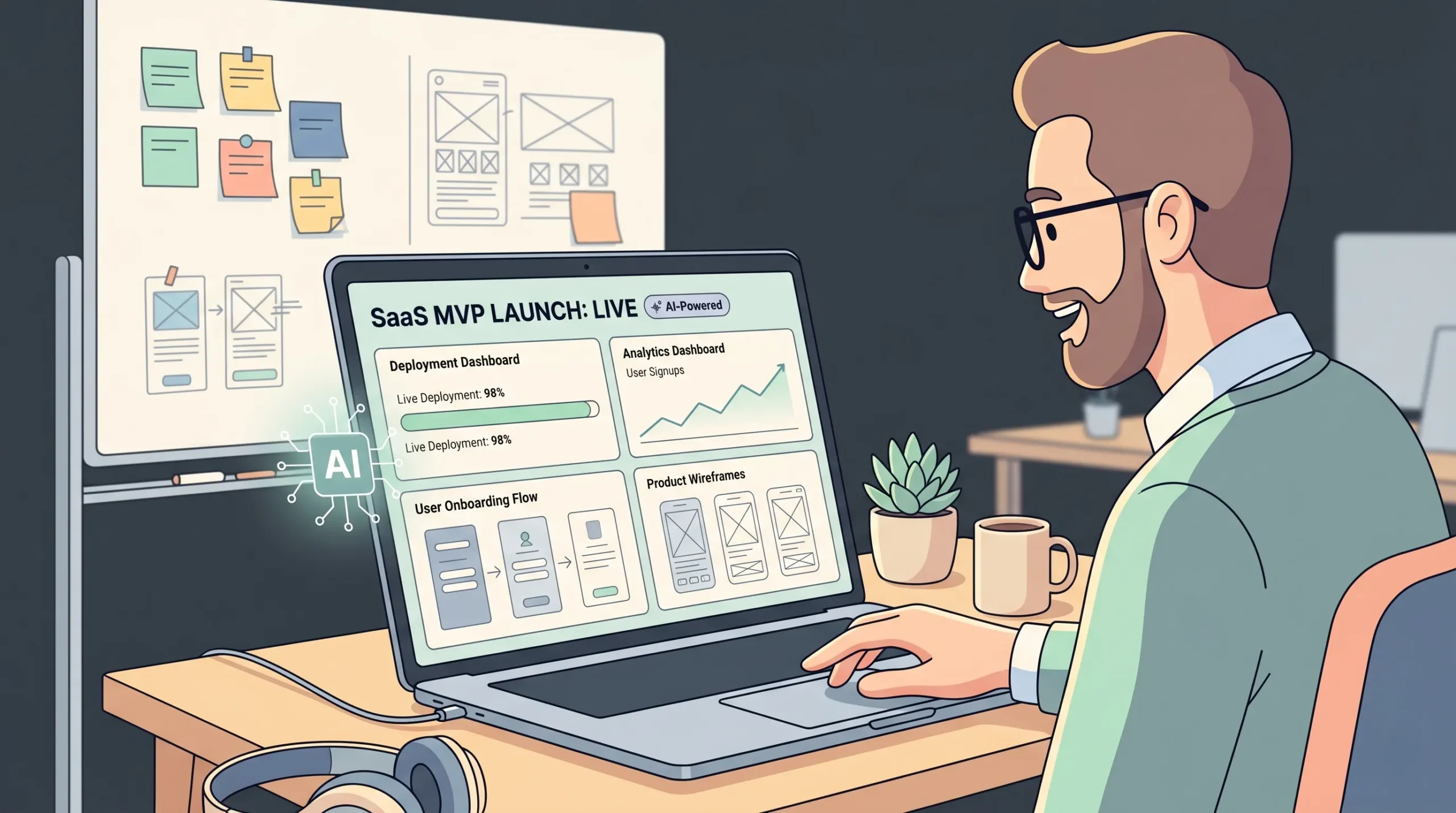
If you are validating a product idea, boutique web development is almost always the correct approach. You need speed, flexibility, and a team that understands the difference between building to test a hypothesis and building to scale a proven product. Large agencies are structurally oriented toward the latter. Boutique teams are built for the former.
Platforms like Imagine.bo let founders move from a napkin sketch to a functioning MVP in days, not months. This compresses your feedback loop dramatically. You can read a detailed walkthrough of this process in this SaaS MVP with AI no-code case study.
Small Businesses Replacing Manual Processes
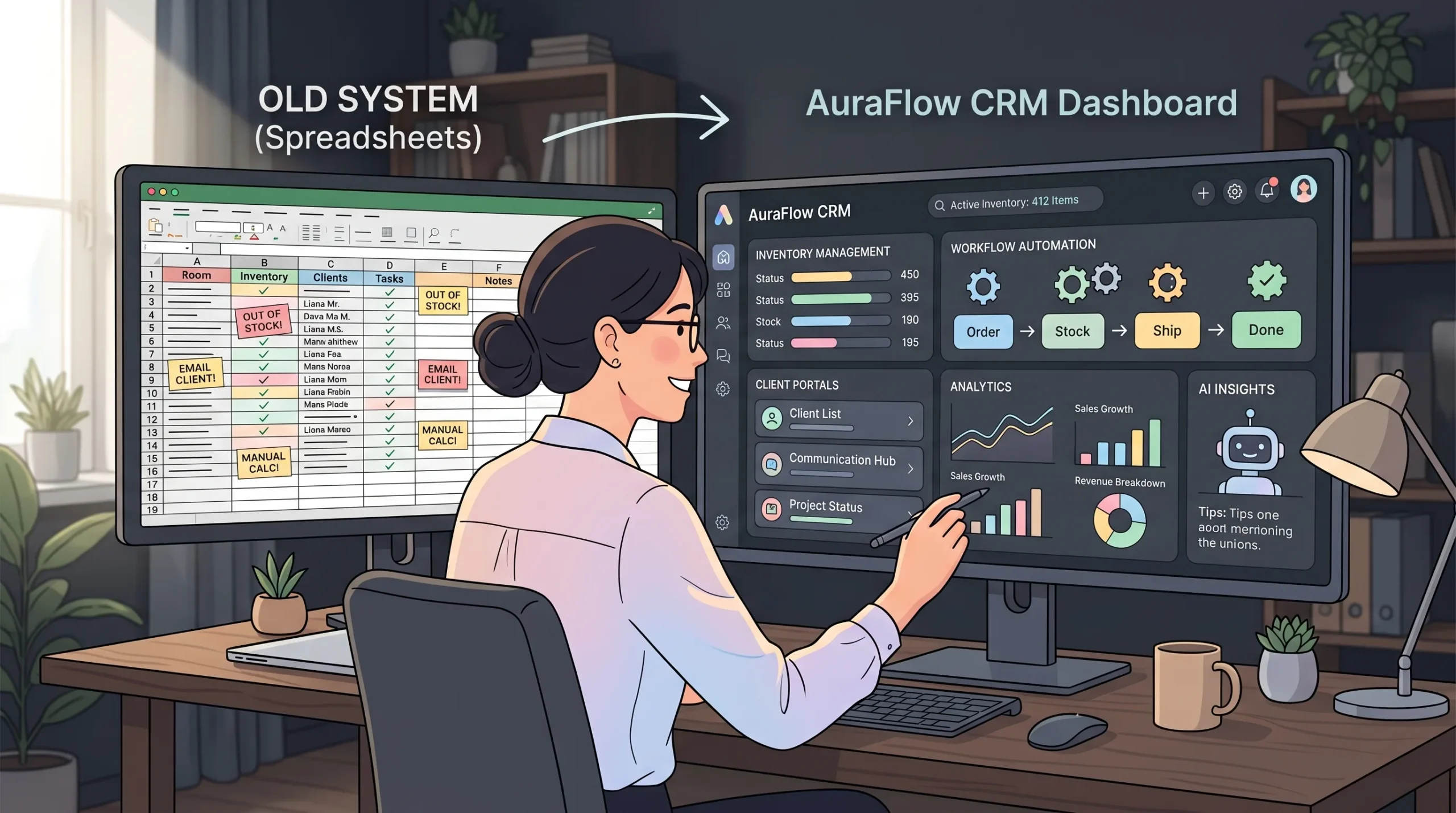
A significant portion of boutique web development work is not consumer-facing. It is internal: custom CRM dashboards, inventory management systems, workflow automation tools, and client portals. These applications need to fit your specific processes, not force your team to adapt to a generic software package.
Off-the-shelf SaaS tools solve 80 percent of the problem for most businesses. Boutique web development solves the other 20 percent that determines operational efficiency. If you are currently managing anything in spreadsheets that should be managed in a proper database, boutique web development is the conversation you should be having.
Product Managers and Marketers Who Need Independence
Waiting for engineering resources to ship a landing page or a lead magnet tool is a real cost. It slows campaigns, delays tests, and creates friction between marketing and product teams. Boutique web development, especially through AI platforms, gives marketing the ability to build and deploy without engineering dependencies.
Businesses That Have Outgrown Template-Based Website Builders
If you started with Wix, Squarespace, or Webflow and have hit a ceiling, boutique web development is the natural next step. The ceiling usually appears when you need logic the platform does not support: custom user roles, dynamic data, third-party API integrations, or a backend that responds to your specific business rules.
This is the exact problem Imagine.bo is designed to solve. You can compare the best no-code AI app builders here to understand where different platforms fit on the spectrum from template to fully custom.
The Boutique Web Development Process: A Step-by-Step Guide
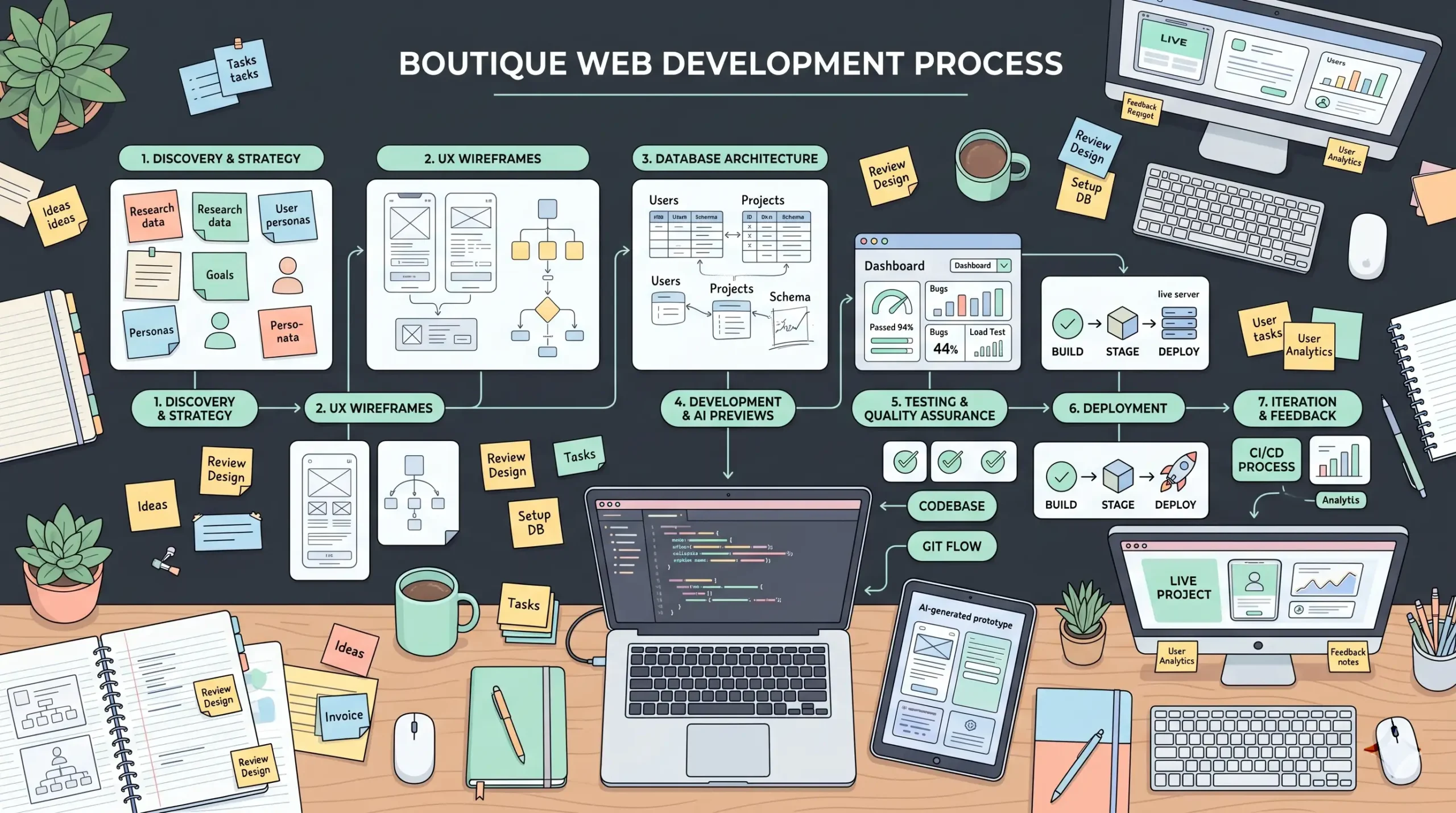
Understanding the process helps you choose the right partner and set realistic expectations.
Step 1: Discovery and Strategy
Every quality boutique web development engagement starts with a discovery phase. This is where the team learns your business model, your target users, and the specific problem the application needs to solve.
In AI-powered development, this phase happens through your prompt. The more precisely you describe your users, their problems, and the behaviors the application needs to support, the more accurate the first generation will be. A good prompt contains four elements: who the app is for, what problem it solves, what features it requires, and what rules or edge cases it must handle.
Step 2: Architecture and Blueprint
Before any visual work begins, the application architecture is defined. This includes the database schema, user flow structure, API design, and access control logic. In traditional boutique development, this phase takes one to two weeks. With AI generation, it happens automatically within minutes of submitting your prompt.
Reviewing this blueprint carefully before moving to development is one of the most valuable things you can do. It surfaces design problems early, when they are cheap to fix.
Step 3: Build and Iteration
In traditional boutique development, this is the longest phase. In AI-powered boutique development, the initial build is generated automatically and then refined through conversation. You say what needs to change, the AI updates the underlying code in real time, and you see the result immediately.
This iterative conversation approach is significantly faster than the traditional design-develop-review-revise cycle. It also puts creative control directly in your hands, without requiring you to learn any technical skills.
Step 4: Testing and Quality Assurance
Before deployment, every user flow should be tested manually. This means running through key journeys with accounts in each user role, testing edge cases like invalid input and empty required fields, and confirming that access control rules are enforced correctly.
For complex logic, this is where the human engineering component adds irreplaceable value. An experienced developer can spot issues that automated testing misses, particularly in permission structures and third-party integration behavior.
Step 5: Deployment and Go-Live
Modern boutique web development deploys to production-grade cloud infrastructure. Imagine.bo deploys frontend applications to Vercel, which provides global edge caching and fast load times regardless of where your users are located. Backend services run on Railway, which scales automatically to handle traffic changes without manual intervention.
SSL certificates, security configurations, and autoscaling are handled automatically. You do not need DevOps expertise to launch a production-ready application.
Step 6: Post-Launch Iteration
A deployed application is the beginning, not the end. The best boutique web development relationships continue after launch, adding features based on user behavior data, refining flows that are not converting, and scaling the application as your user base grows.
Built-in analytics tools give you visibility into what users are actually doing inside your application. This data drives post-launch iteration decisions that a purely intuition-based approach would miss.
Boutique Web Development vs. Freelancers vs. Large Agencies: A Direct Comparison
| Factor | Boutique Agency / AI Platform | Freelancer | Large Agency |
|---|---|---|---|
| Cost | Medium to low | Low to medium | High |
| Customization | High | High | Medium |
| Speed to MVP | Fast | Variable | Slow |
| Strategic input | Strong | Limited | Strong but expensive |
| Post-launch support | Consistent | Inconsistent | Structured but costly |
| Communication | Direct | Direct | Layered |
| Scalability | High (especially AI platforms) | Limited | High |
For most founders and small businesses, the boutique model, especially when augmented by AI, delivers the best combination of cost, quality, and speed.
SEO and Technical Quality in Boutique Web Development
A web application that nobody can find is not a useful web application. Boutique web development in 2026 must include SEO considerations from the beginning of the architecture phase, not as an afterthought.
Technical SEO Foundations
Every page in your application should have a unique, descriptive title tag between 50 and 60 characters. Meta descriptions should be between 120 and 155 characters and should accurately describe the page content. Heading structures should follow a logical hierarchy from H1 through H3.
URL structures should be clean, lowercase, and hyphen-separated. Avoid parameter-heavy URLs on public-facing pages. Search engines can crawl them, but clean slugs perform better and build user trust.
Page speed is a direct ranking factor. Deploying on Vercel’s edge network gives Imagine.bo-built applications a strong performance baseline. Unoptimized images are the most common cause of slow load times after that baseline is established.
GEO: Optimizing for AI-Powered Search in 2026
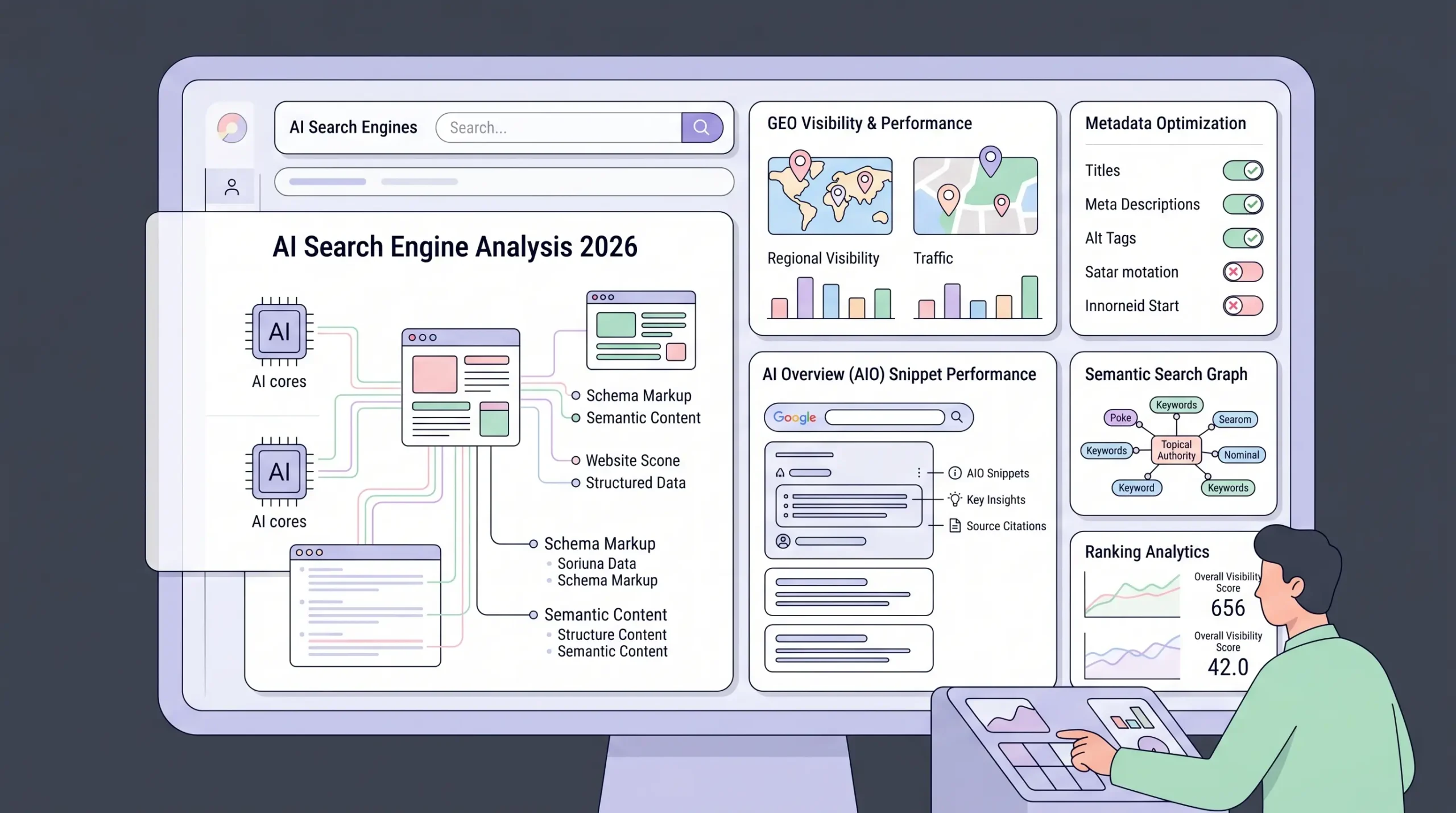
Generative Engine Optimization (GEO) is the 2026 evolution of traditional SEO. As AI tools like ChatGPT, Perplexity, and Google AI Overviews increasingly surface direct answers without requiring users to click through to websites, your content needs to be structured for machine comprehension as well as human readers.
The core principles of GEO align closely with good writing practices. Be direct and specific in the first paragraph of any key page. Use structured formats like bullet points, numbered lists, and clear section headers, because AI tools are more likely to extract and cite content presented in these formats. Include FAQ sections on important pages. Name your features specifically rather than relying on generic descriptors.
If you want a deeper guide on this, Imagine.bo’s SEO-friendly website design guide covers both the technical foundations and the content strategy elements.
Security and Compliance in Boutique Web Development
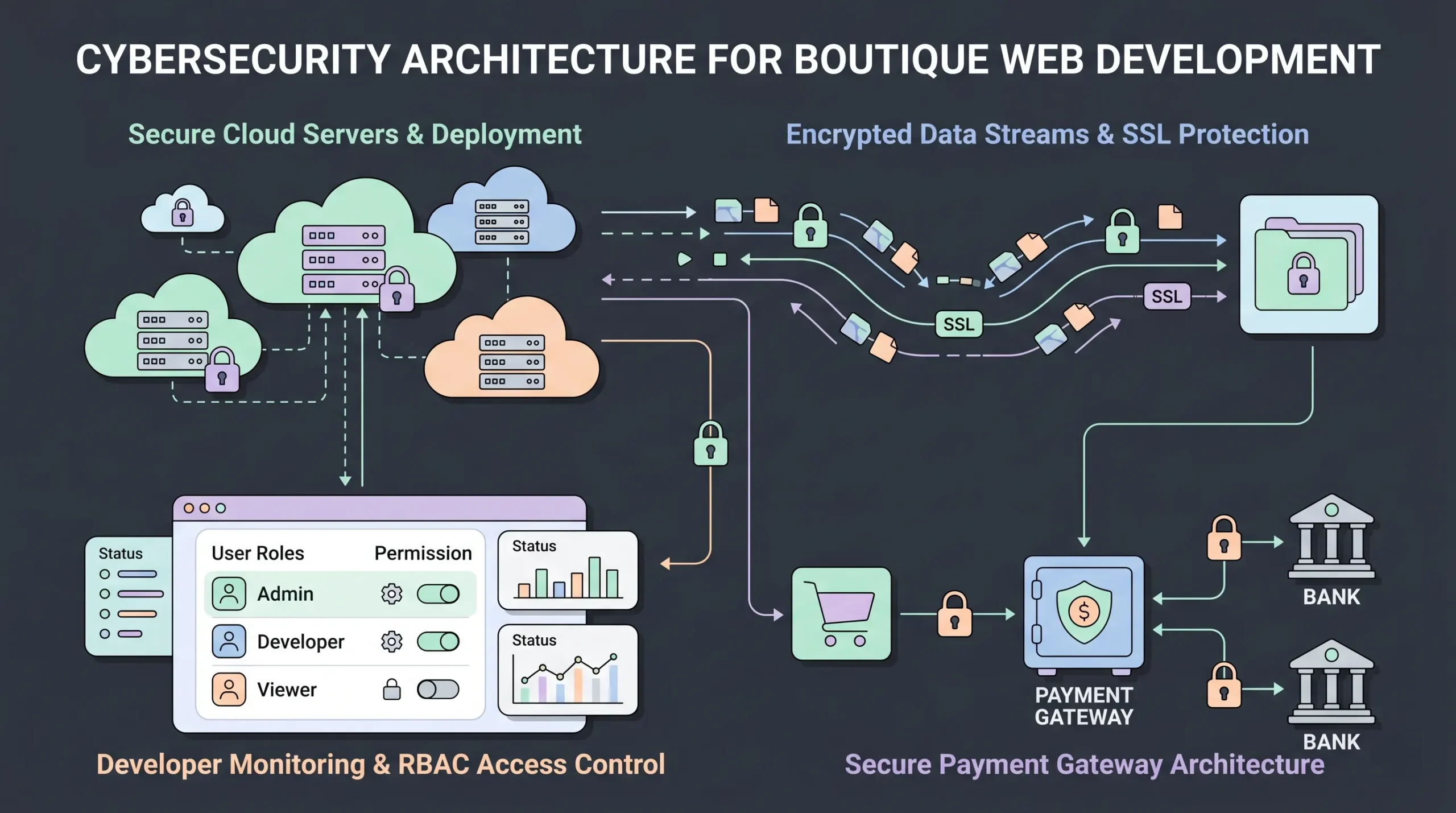
Boutique web development, done correctly, is not a compromise on security. It is an opportunity to build security in from the start rather than bolting it on after the fact.
According to IBM’s Cost of a Data Breach Report 2024, the average cost of a data breach reached $4.88 million. For small and mid-sized businesses, a breach of that scale is frequently fatal. This makes security architecture a business-critical decision, not just a technical one.
Imagine.bo-built applications include SSL and HTTPS on all deployments, data encryption at rest and in transit, secure authentication with industry-standard session management, and Role-Based Access Control (RBAC) enforced at the data layer rather than just the UI. GDPR and SOC 2 readiness foundations are baked into the deployment architecture.
For payment integrations and particularly sensitive security requirements, the Hire a Human feature routes those specific modules to experienced engineers who understand compliance requirements like PCI-DSS.
How Much Does It Cost to Build a Boutique Web Application with Imagine.bo?
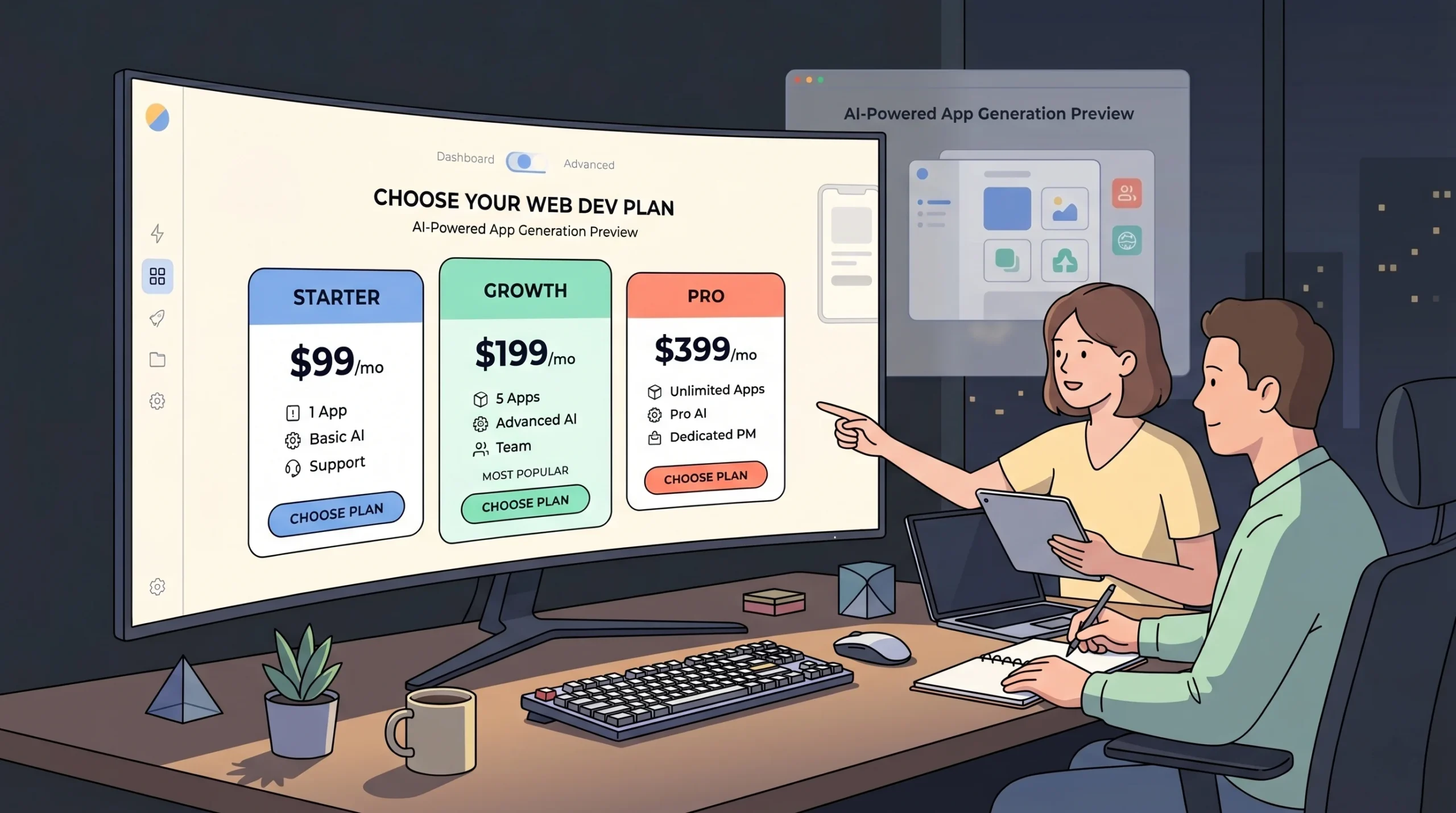
Imagine.bo uses outcome-based pricing, which means you pay for a completed deliverable rather than for AI attempts or time spent.
The Lite plan at $5 per month delivers a three-page mobile-responsive website with a custom domain and SEO optimization. This is the right entry point for businesses that need a professional online presence without complex application logic.
The Pro plan at $25 per month delivers a ten-page full-stack web application, including frontend, backend, engineer support, and guaranteed deployment. This is the plan most startups and small businesses use for their primary product.
The Done For You plan at $499 as a one-time fee has engineers build, deploy, and support your complete application. You pay $49 upfront to secure your slot, and the remaining balance is due only on successful delivery. This plan is designed for founders and businesses that want a fully managed, production-ready product with zero involvement in the technical process.
You can review all plan details and compare what is included at each tier on the Imagine.bo pricing page.
Common Questions About Boutique Web Development
What is the difference between boutique web development and a freelancer?
A freelancer is typically an individual working independently, often without a broader strategic framework or post-launch support structure. A boutique web development studio or platform brings a more complete service model: discovery, strategy, build, testing, deployment, and iteration. The accountability structure is also different. A boutique team has a reputation and business infrastructure at stake. A freelancer relationship depends more heavily on the individual.
How long does boutique web development take?
A traditional boutique agency typically delivers a custom web application in six to sixteen weeks, depending on complexity. AI-powered boutique development compresses this dramatically. An MVP can be generated, refined, and deployed in days. Complex applications with custom integrations may take two to four weeks when human engineering is involved.
Is boutique web development right for e-commerce?
Yes, with caveats. Boutique web development is excellent for custom e-commerce experiences that go beyond what platforms like Shopify can provide: complex pricing logic, custom product configurators, multi-vendor marketplaces, and B2B ordering systems with company account structures. For standard product catalog e-commerce, a platform like Shopify is often the better starting point.
Can a boutique-built web application handle scale?
Yes. This is a common misconception. Boutique does not mean small-scale. Applications deployed on Vercel and Railway, as Imagine.bo does, can handle millions of users. The infrastructure scales automatically. The boutique nature of the development refers to the process and relationship model, not the technical capacity of the output.
What happens after my application is built?
Post-launch, you use built-in analytics to understand user behavior, continue iterating through AI conversation or developer assignments, and export your data whenever needed. You own your code and your data. Imagine.bo provides easy export capabilities so you are never locked into the platform.
The Bottom Line: Boutique Web Development Is More Accessible Than Ever
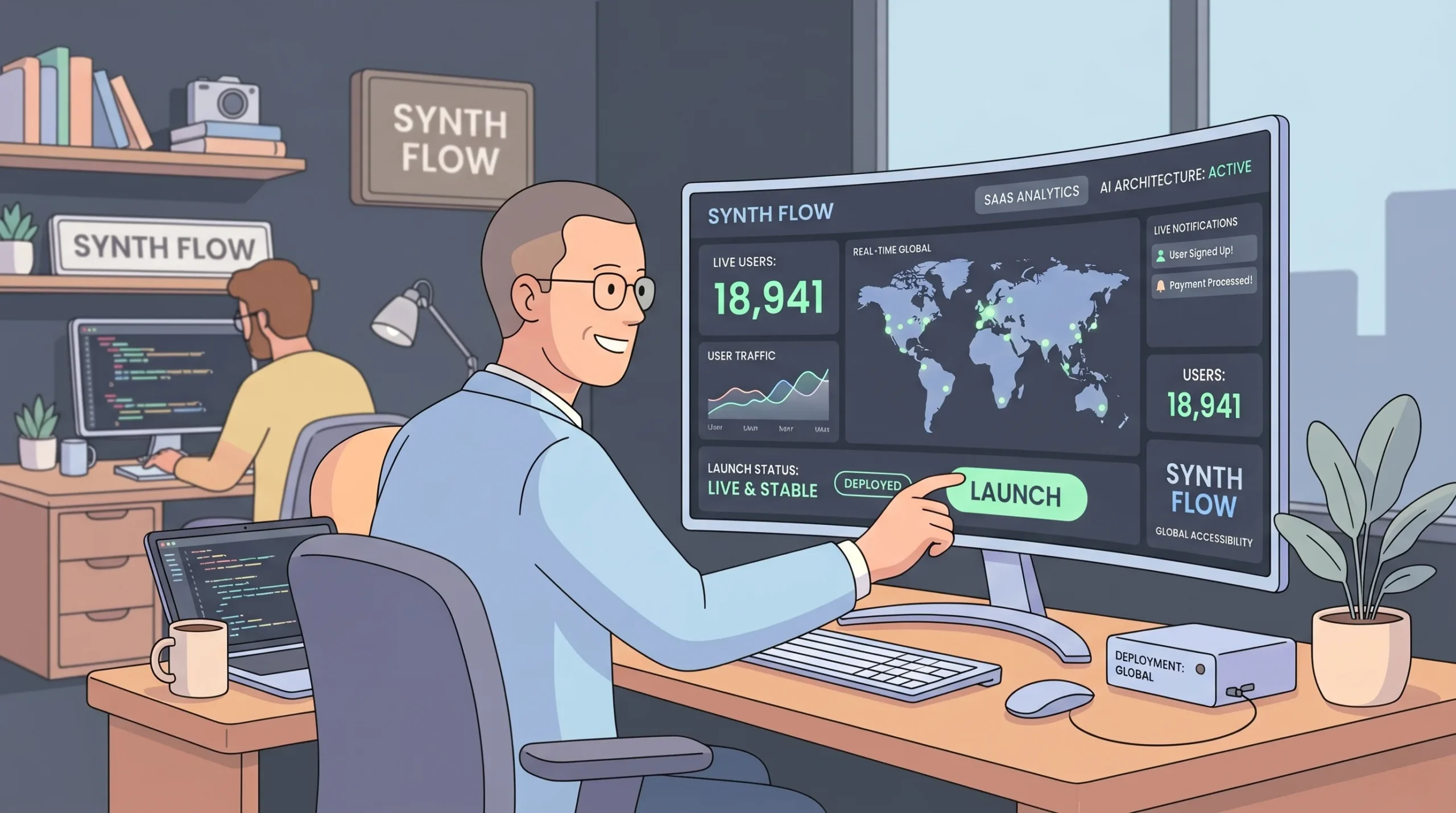
The core value of boutique web development has not changed. Personalized attention, deep customization, direct communication, and ownership of the result are still what separate it from the alternatives.
What has changed is who can access it. In 2026, you do not need to spend $40,000 with a boutique agency to get the quality, customization, and strategic depth that model provides. AI platforms like Imagine.bo have made boutique-quality web development accessible to founders, small businesses, and product teams who previously could not justify the cost or timeline.
The fundamental question is not whether to choose boutique web development. For anyone who needs a web application that actually fits their business, the answer to that question is almost always yes. The question is which version of boutique development matches your current stage, budget, and technical requirements.
If you are ready to see what is possible, start building on Imagine.bo with a free description of your idea. The first generation takes minutes. The result might change how you think about what is possible with your budget.
Further Reading
If you found this guide useful, these related articles cover specific aspects of modern web development in more depth.
- How to Build a SaaS With AI and No Code
- The Best Free AI App Builders: A Complete Guide
- Build AI Apps Without Code
- How to Validate Startup Ideas With No-Code Tools
Published by the Imagine.bo team. Imagine.bo is an AI-powered boutique web development platform that turns plain English descriptions into production-ready, full-stack web applications.
Launch Your App Today
Ready to launch? Skip the tech stress. Describe, Build, Launch in three simple steps.
Build