

The Dawn of a New Era: From Code to Conversation
The Traditional Bottleneck: Why Software Was Hard
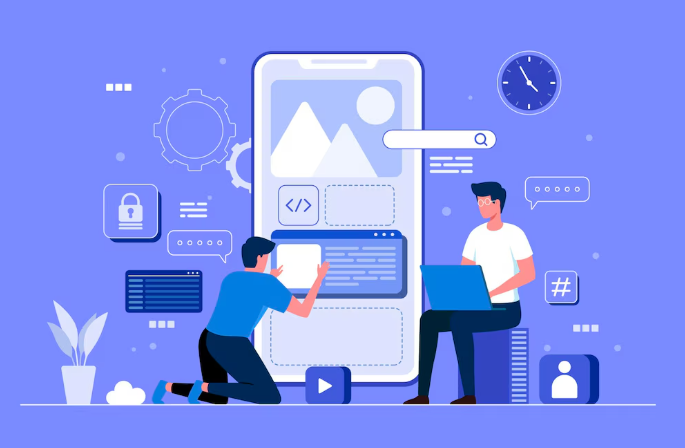
“For decades, crafting software was an immensely complex and specialized endeavor.” It required years of training to master specific programming languages such as C++, Java, or Python. Engineers needed deep knowledge of algorithms, data structures, and intricate syntax. This coding expertise created a significant barrier. Not everyone could simply build an application, even with a brilliant idea, due to the steep learning curve involved.
This inherent complexity formed a traditional bottleneck in the tech world. Translating a business concept into functional code was a painstaking, often slow process. It demanded highly paid experts and substantial time investments. “Communication gaps often emerged between non-technical stakeholders and the development team,” leading to misunderstandings and project delays. This resource-intensive development cycle meant that innovation was expensive and often out of reach for many, hindering rapid progress.
Launch Your App Today
Ready to launch? Skip the tech stress. Describe, Build, Launch in three simple steps.
BuildEnter Generative AI: Understanding the Core Shift
The arrival of Generative AI marks a fundamental change in how we interact with technology. Unlike previous AI systems that primarily analyzed data, generative models *create* entirely new content. Think beyond just understanding images; these systems can *generate* them. This capability fundamentally shifts development from giving explicit, step-by-step instructions to a more collaborative, creative process. It’s moving from fixed outcomes to dynamic, AI-driven generation.
This core shift liberates us from rigid coding syntax. Instead, we communicate our intentions using natural language prompts. This is a powerful change. We tell the AI *what* we want an application to do, rather than *how* to build it. “This paradigm shift democratizes development, inviting a broader range of creators and innovators to build tomorrow’s apps.” Tools like OpenAI’s ChatGPT and GitHub Copilot exemplify this conversational approach, making app creation more accessible.
What Exactly is a ‘Prompt-Built App’?
A prompt-built app is software developed using natural language instructions, or “prompts.” It bypasses traditional coding languages like Python or Java. You simply tell an advanced AI what you want your software to accomplish. The AI then interprets your plain English commands. It generates the underlying logic, user interface, and features. “This revolutionary method democratizes app development, allowing anyone with an idea to become a creator.” It significantly lowers the entry barrier to innovation. The focus shifts from complex syntax to clear intent.
These apps are products of sophisticated Large Language Models (LLMs). They translate human intent into functional software solutions. For instance, you could prompt an AI to “build an app that tracks daily water intake and reminds me to drink every hour.” Or you might ask it to “create a simple tool to summarize long articles.” The AI processes these instructions. It then generates necessary code, integrates pre-existing modules, or defines workflows. This leads to rapid prototyping and deployment. Abstract concepts become tangible digital tools in minutes. Prompt engineering is now a crucial skill. The clarity of your instructions directly influences the app’s effectiveness.
Beyond Buzzwords: The Real-World Impact
The shift to prompt-driven app development offers tangible value, moving beyond mere buzzwords. It empowers non-technical individuals and small businesses directly. Imagine a local artisan: they can now create a custom inventory app. They simply describe their needs in plain English. “This radically democratizes technology, opening up app creation to millions.” It means faster problem-solving and greater independence for countless entrepreneurs.
This approach translates into faster development cycles and highly tailored solutions across all industries. Organizations can now rapidly iterate on ideas. They can test and deploy new functionalities in days, not months. A small healthcare clinic, for instance, could quickly generate a patient intake form. Or they might create an appointment reminder system precisely fitted to their workflow. “The real-world impact is clear: accelerated innovation makes powerful digital tools accessible to everyone.” It frees up resources and fosters unprecedented agility.
How It Works: The Magic Behind the Prompts

Translating Intent: NLP and LLMs as Your Co-Pilots
When you type a simple prompt like “Create a task list app with overdue reminders,” Natural Language Processing (NLP) begins its work. NLP is the AI’s crucial first step, acting as its “ear.” It analyzes your natural language input, breaking down complex requests into understandable components. This process identifies your core user intent, recognizing key elements like “task list,” “app,” and “overdue reminders.” “NLP translates your everyday language into a structured query the AI can process.”
Next, Large Language Models (LLMs) become your expert AI co-pilots. Armed with the intent NLP extracted, LLMs generate the actual code, design layouts, and logical connections for your app. They can conjure a user interface for a task list or implement the logic for ‘overdue reminder’ notifications based solely on your words. “These powerful models transform your verbal instructions into functional app features,” significantly accelerating app development from an idea to a working application.
The Art of Crafting Effective Prompts
“The ability to craft effective prompts is a crucial skill in modern application development, extending far beyond basic requests.” This practice, often called prompt engineering, requires understanding how AI models interpret language. It demands precision and a clear sense of the AI’s capabilities. A well-constructed prompt guides the AI directly to your desired outcome, minimizing guesswork. This careful articulation helps transform abstract ideas into tangible, functional software solutions quickly.
Success in prompt engineering relies on three core principles: clarity, specificity, and providing context. First, be absolutely clear about your intentions; vague instructions often produce generic, unusable outputs. Second, include specific details like desired roles, data sources, and output formats. Third, give the AI comprehensive information about the project’s goal, target audience, and any constraints. “For instance, asking an AI to ‘design a sustainable fashion e-commerce site for Gen Z, featuring virtual try-on, peer reviews, and gamified shopping experiences’ yields far superior results compared to a simple ‘build an online shop’.” This detailed guidance unlocks the AI’s full potential.
Iterative Development: Prompting, Refining, Perfecting
Building an application with prompts is rarely a one-step process. You begin with an initial prompt, clearly outlining your core idea, perhaps “create a task management app with a simple interface.” The AI then generates a first iteration, a foundational version of your application’s code or user interface. This early draft provides a tangible starting point, allowing you to quickly visualize the concept and identify immediate areas for improvement. You’ll then provide specific feedback based on this initial output.
This is where iterative development truly shines. Your subsequent prompts focus on refinement and fine-tuning every detail. You might instruct the AI to “add a user login feature with email validation,” “change the button colors to a specific hexadecimal code,” or “optimize the layout for mobile devices, ensuring responsiveness.” “This continuous cycle of prompting, generating, and critically evaluating empowers users to mold the application precisely to their vision and desired user experience.” This collaborative back-and-forth ensures the final product is polished and highly functional, evolving with each interaction.
Tools of the Trade: Platforms Making It Possible
Today’s app creation often begins with low-code and no-code (LCNC) platforms. These powerful tools let almost anyone build functional applications. They use visual interfaces and pre-built components. Users simply drag and drop elements or configure settings, often guided by simple prompts. Think of platforms like Bubble or Adalo. They turn ideas into working apps without complex coding. “These user-friendly environments are democratizing app development for millions.”
Beyond LCNC, the landscape is quickly transforming with AI-powered development tools. These advanced platforms interpret natural language prompts. They generate code, suggest functions, or even build entire user interfaces. A prime example is GitHub Copilot, which acts as an AI pair programmer. It completes lines of code based on a developer’s input. Similarly, Microsoft Power Apps now integrates Copilot. This allows users to describe desired app features in plain English. This dramatically speeds up development, making complex tasks accessible.
The Benefits & Opportunities: Why This Matters to You
Democratizing Development: Apps for Everyone
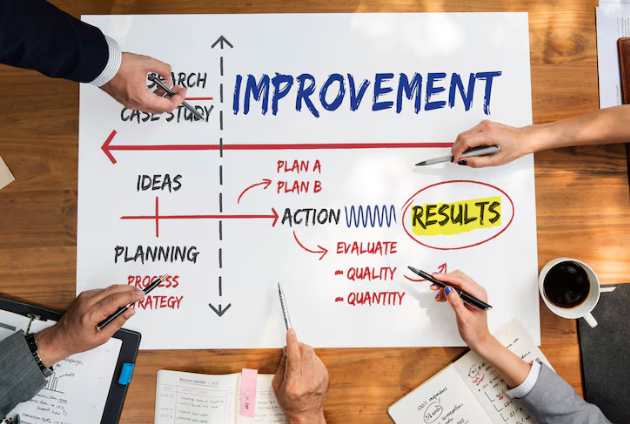
Gone are the days when building a custom application required deep coding expertise. “Simple prompts are now democratizing development, opening up app creation to anyone with an idea.” This means individuals, small business owners, and non-profits can finally bring their digital visions to life. You no longer need to hire expensive developers or spend years learning complex programming. A clear description of your needs is often enough to kickstart the process. This shift empowers a new generation of citizen developers. They can build tools tailored to their unique challenges. Imagine solving a community problem with a custom app, all without writing a single line of code.
This prompt-driven approach fosters an explosion of innovation. It allows for highly specialized applications that might not have been financially viable before. Think about a local bakery needing a custom order system or a community group wanting a volunteer management tool. Previously, these were out of reach. Now, with just a few well-crafted prompts, these tailored solutions become a reality. “This capability is leveling the playing field, ensuring that valuable ideas are no longer limited by technical barriers.” It judges them solely on their merit and potential impact. The future of app development is becoming truly inclusive, putting powerful digital tools into everyone’s hands.
Accelerated Innovation: From Idea to App in Hours
Gone are the days of months-long development cycles. Today, simple prompts are revolutionizing how we create applications. With just a few descriptive sentences, powerful AI models can generate functional app prototypes or even complete solutions. This dramatically shrinks the gap between a brilliant concept and a tangible product. “Think of it: an entrepreneur can now outline their app idea, watch an AI translate it into code, and have a working version ready for testing in a matter of hours, not weeks.” This new paradigm of AI-powered development truly enables accelerated innovation, turning fleeting thoughts into functional reality at unprecedented speed.
This rapid transformation isn’t just about speed; it’s about empowerment. Individuals and small businesses can now bring complex software ideas to life without needing deep coding knowledge or significant investment. We’re seeing tomorrow’s apps being built today by anyone with an idea and the ability to articulate it. For instance, a local bakery could prompt an AI to create a custom order app overnight, or a freelancer might generate a portfolio site instantly. “This dramatically levels the playing field, making advanced technology accessible to everyone and fueling an explosion of creativity across all sectors.” It fosters a culture where experimentation thrives, and innovations emerge at an incredible pace.
Cost-Effectiveness and Resource Optimization
Simple prompts dramatically enhance cost-effectiveness in app development. Gone are days of large teams and huge financial outlays. Now, AI-powered development lets fewer people achieve much more. This directly cuts salary expenses and operational overheads. Startups and small businesses gain a clear advantage. They can launch viable products and conduct rapid prototyping. This happens without facing prohibitive initial investment barriers. “This innovative approach democratizes app creation, making it accessible and affordable for a much wider range of innovators.”
This method also significantly optimizes your existing resources. Your current team can accomplish far more with less traditional coding time. Leverage AI tools through effective prompts. Senior developers then focus on complex architecture and strategic planning. They avoid repetitive coding tasks. This allocates talent intelligently. It ensures your human capital is used effectively. It accelerates time-to-market. It stretches project budgets further. Every dollar invested yields maximum output. This is how tomorrow’s apps are built smarter.
Unlocking Creativity: Empowering Non-Coders
Simple prompts are revolutionizing app creation. You no longer need deep coding knowledge for functional tools. This shift actively empowers non-coders to bring their innovative ideas to life. Consider a small business owner creating a custom booking app. Or a marketing manager designing a unique client feedback tool. “This democratizes app development, opening doors for anyone with a clear vision.” It transforms conceptual ideas into tangible applications using everyday language commands.
This newfound accessibility unleashes incredible creativity across all sectors. Individuals previously limited by technical skills can now innovate directly. They turn challenges into practical solutions. Entrepreneurs quickly prototype and test new business ideas. This avoids traditional lengthy development cycles and costly hires. “The power to turn a simple idea into a working app with just a prompt is a profound game-changer for innovation.” It significantly accelerates development. Diverse perspectives will now shape tomorrow’s digital landscape.
Navigating the Challenges & Considerations
The Current State: Where Prompt-Building Shines (and Where It Doesn’t)
Currently, prompt-building truly shines in specific areas. It’s incredibly effective for rapid prototyping and creating simple applications. Think of internal dashboards, basic data collection forms, or automated task workflows. “This approach empowers non-technical users to bring ideas to life quickly.” It excels where requirements are well-defined and the scope is limited, democratizing app creation for many. Small businesses and individuals find this particularly valuable for streamlining operations, like building a simple content idea generator.
Conversely, prompt-building faces significant limitations for more complex applications. Developing enterprise-grade software or systems demanding high scalability remains the domain of traditional coding. Creating truly unique user interfaces or integrating deeply with legacy systems is also difficult. “Debugging intricate logic without direct code access can become a major bottleneck.” Security implementations and performance optimization are often less robust. While great for quick tools, it’s not yet the solution for highly specialized, mission-critical systems requiring extensive customization.
Data Privacy, Security, and Ethical AI Concerns
Leveraging simple prompts to build applications inherently raises significant data privacy and security questions. When users submit prompts, they often share proprietary or sensitive information with the underlying AI models. This data, if not properly handled, could be exposed through breaches or unauthorized access. “Organizations must prioritize data governance and robust encryption to protect both user and business information.” It is crucial for companies to ensure their AI providers comply with strict security standards, adhering to regulations like GDPR or HIPAA when dealing with sensitive data. Trust hinges on these protective measures.
Beyond security, ethical AI concerns are paramount. The large language models (LLMs) driving prompt-driven development are trained on vast, often unfiltered datasets. These datasets can contain inherent biases, which may then be inadvertently transferred into the applications created. This could lead to unfair or discriminatory outcomes for users. “Developing ethical AI guidelines and implementing rigorous, ongoing testing for bias are crucial for responsible innovation.” Developers must actively audit their AI-powered apps, ensuring fairness, transparency, and accountability to mitigate potential harm and build public confidence in AI technologies.
The Role of Human Oversight: Beyond Automation
Even with powerful prompt-driven development, human oversight is vital. AI tools efficiently execute instructions. However, they often lack deep contextual understanding or nuanced human judgment. We must define the core vision. Humans also clarify complex requirements and set ethical boundaries. “A human compass is essential to steer AI’s output towards desired outcomes.” This prevents misinterpretations. It ensures the final app aligns perfectly with user needs and business goals.
Humans also remain crucial for quality assurance and risk mitigation. Prompt-generated code, though functional, needs thorough human testing. This catches subtle bugs or performance issues. Addressing security vulnerabilities is another key human task. AI might miss critical flaws. Ethical considerations, like data privacy or bias, demand diligent human review too. “Human intelligence provides the strategic direction and critical judgment AI still lacks for building truly robust applications.”
Ensuring Quality and Scalability
Ensuring the quality of AI-generated applications demands a rigorous approach. While simple prompts can rapidly create functional code, human oversight and validation are absolutely crucial. Developers must thoroughly test the outputs for bugs, security vulnerabilities, and adherence to performance standards. “Automated testing tools, often powered by AI itself, become indispensable for validating the integrity and robustness of the generated code.” This blended strategy, combining AI’s speed with human expertise, ensures that prompt-driven creation meets high industry standards for reliability and security.
Scalability is equally vital for prompt-engineered apps to thrive in dynamic environments. Applications built today must be designed to grow seamlessly with increasing user demand. “Prioritizing a modular, cloud-native architecture from the outset is essential for long-term viability.” This design allows for easy expansion of resources on platforms like AWS or Azure, preventing bottlenecks and ensuring consistent performance. As AI technology advances, we can expect it to further optimize resource allocation, making these rapidly developed applications inherently more adaptable to significant growth.
Real-World Applications and Inspiring Examples

Personalized Productivity Tools and Utilities
Imagine a task manager that understands *your* unique workflow, not a generic template. Simple prompts make this a reality for anyone, no coding needed. Users can describe their ideal daily routine or project needs. An AI then generates a tailored application. This could be a system for managing client follow-ups or a personalized study planner. “These custom tools boost efficiency by perfectly aligning with individual habits.” They are built on the fly, responding directly to your specific requirements.
Beyond basic organization, these prompt-driven utilities transform how we handle information. Imagine a tool that summarizes lengthy articles. It can extract key bullet points based on your specific interests. Or, create a personal finance tracker. This categorizes expenses according to *your* spending patterns. You simply describe the desired function. The AI crafts the utility, making complex tasks remarkably simple. “This democratizes powerful software, putting control directly into the user’s hands.”
Quick Prototypes and MVPs for Startups
For startups, time and budget are always tight. Building an initial prototype or a Minimum Viable Product (MVP) used to take months. It also required significant investment. Now, simple prompts completely change this. Imagine a founder with a new app idea. Instead of hiring a team, they use AI tools. These tools, guided by clear prompts, generate initial user interfaces and basic logic. They can even produce functional code snippets. “Founders can now visualize their concepts in hours, not weeks.” This rapid iteration enables quick idea validation without heavy costs.
Creating a functional MVP becomes incredibly fast with prompt engineering. Startups can quickly build a core product. Then, they gather essential user feedback. This allows for quick refinement. For example, a small team might prompt an AI for a basic habit-tracking app. They deploy it, learn from early users, and iterate. This greatly reduces financial risk for new ventures. “This agile approach lets startups pivot or scale with unprecedented speed.” It means getting to market faster. They understand customer needs sooner, transforming the entire startup development time cycle.
Content Generation and Creative Applications
Simple prompts are revolutionizing content creation across industries. Writers and marketers now use AI tools to quickly generate blog posts, compelling social media updates, or engaging email campaigns. “These AI content generation platforms dramatically save time, overcoming writer’s block and enabling consistent output.” Imagine crafting an entire article outline in mere seconds with just a few clear instructions. Businesses leverage this to scale their marketing efforts, providing fresh, relevant information to their audiences daily.
Beyond text, simple prompts empower incredible artistic endeavors. Artists and designers use them to create unique images, detailed illustrations, and even architectural concepts. Tools like Midjourney, DALL-E, and Stable Diffusion transform textual descriptions into stunning visuals. “This democratizes creativity, allowing anyone to bring complex visions to life without needing advanced technical skills.” Musicians are also experimenting with AI. They use it to compose new melodies, background scores, and entire musical pieces. These creative applications are not just novelties; they are actively shaping tomorrow’s digital experiences and creative industries.
Custom Business Solutions on Demand
Small and medium-sized businesses often need bespoke software but lack large development budgets. Enter prompt engineering. Now, entrepreneurs can describe their exact needs in simple language. This allows AI to generate powerful, custom business solutions in minutes. “It’s democratizing access to tailored technology.” Think of a local bakery needing a specialized inventory tracker. They simply prompt, and the system delivers. This rapid creation saves both time and significant capital, leveling the playing field.
Previously, building such a tool meant hiring expensive developers. Today, a clear prompt creates anything from a CRM for a specific niche to an automated customer support chatbot. For instance, a small law firm could prompt for a document management system tailored to probate cases. A non-profit might get a volunteer coordination app designed just for them. “These AI-driven tools perfectly fit unique workflows.” They empower businesses to innovate and streamline operations swiftly, without a single line of traditional code.
The Future Is Prompt-Driven: What’s Next?

The Evolution of AI Models and Prompt Engineering
The evolution of AI models has been rapid and transformative. We’ve journeyed from early, rule-based systems to highly adaptable generative AI. Initially, AI followed strict programming. Today, Large Language Models (LLMs) like OpenAI’s GPT-4 understand intricate context and generate remarkably human-like text. “These advanced models are trained on immense datasets, enabling them to reason and create across diverse domains.” This leap allows AI to move beyond simple automation, handling nuanced requests for app development and beyond.
This significant shift directly birthed the critical discipline of prompt engineering. As AI grew more powerful, the way we communicate with it became paramount. Prompt engineering is the art and science of crafting precise, effective instructions or “prompts” for AI. It’s essential for guiding models to produce accurate, relevant, and desired outcomes. “Mastering prompt engineering is now fundamental to unlocking the full capabilities of modern AI systems.” It helps users achieve specific coding solutions, detailed content, or innovative design ideas, bridging the gap between human intent and AI execution.
Seamless Integration: AI in Every Software Stack
Imagine AI not as a separate application, but as an invisible engine powering your existing tools. This is the future of seamless integration. Developers are no longer just building *around* AI; they are embedding it directly *into* the core of every software stack. Companies like Microsoft and Google are already showing the way. Their development kits and APIs make it easy to weave sophisticated AI models into everyday applications. Think about prompt-driven development tools. They allow engineers to add intelligent features with just a few lines of code. This dramatically lowers the barrier to entry for advanced capabilities.
This deep integration means smarter, more responsive software. “Every application, from your CRM to your design tools, will soon have an AI co-pilot built-in.” This empowers users with instant insights and automation. It also frees developers to focus on higher-level problems. They can leverage pre-built AI components instead of starting from scratch. Expect to see AI-powered suggestions, content generation, and predictive analytics become standard features across all kinds of platforms. The goal is to make AI an indispensable, yet unobtrusive, part of our digital experience.
New Job Roles and Skill Sets: The Human-AI Collaboration
The rise of prompt engineering is actively shaping new career paths, like the Prompt Engineer and AI Interaction Designer. These specialists craft precise instructions for AI models, “mastering the art of bridging human intent with advanced machine execution thoughtfully.” This demands deep understanding of AI’s capabilities and ethical considerations, aligning with principles such as Google’s responsible AI development.
Success in this prompt-driven future demands new human skills, particularly critical thinking, creativity, and advanced problem-solving for effective human-AI collaboration. Professionals must expertly frame questions and interpret AI outputs to ensure consistently ethical, high-quality results. “The new workplace will truly prioritize human ingenuity, guiding AI’s powerful capabilities to innovate across every industry and role.”
Your Place in the Prompt-Driven Revolution
The prompt-driven revolution extends far beyond traditional coding roles. It invites thinkers, strategists, and problem-solvers from every background to participate actively. Your most valuable asset becomes your ability to clearly articulate ideas and ask precise questions. This significant shift democratizes app development, making advanced AI tools accessible to a much broader audience. “Understanding *how* to communicate effectively with AI is now as crucial as knowing a programming language.” Consider how graphic designers use prompts to generate visual assets or how business analysts create data models without writing a single line of code. This new paradigm empowers a diverse range of talents.
To secure your unique place in this evolving landscape, begin by actively experimenting with various AI platforms. Dedicate time to master the art of crafting effective prompts—a skill increasingly known as prompt engineering. Focus on developing your critical thinking, creativity, and iterative refinement skills. These abilities will enable you to guide AI towards innovative and practical solutions. The future demands individuals who can seamlessly bridge the gap between human intent and machine execution. “Embrace this transformative change, and you will not just witness but actively shape the next generation of applications, irrespective of your formal technical background.” Your voice, through prompts, will build tomorrow.
Launch Your App Today
Ready to launch? Skip the tech stress. Describe, Build, Launch in three simple steps.
Build