Introduction: The $50k Mistake
You have a brilliant concept for a niche sneaker store. Your first instinct might be to build a perfect ecommerce site, order inventory, and invest $50,000 in custom software. Stop. Before you sell pair #1, there’s a smarter way.
Many new retail ventures face the same challenge: high upfront costs and the massive risk of building something nobody wants. In fact, data shows that 35 percent of failed startups do so because there was “no market need” for their product.
Launch Your App Today
Ready to launch? Skip the tech stress. Describe, Build, Launch in three simple steps.
BuildThe solution is a “Lean Retail” startup methodology. This is an approach focused on validating your business idea with real customers before committing significant resources. This article provides a practical blueprint for launching a retail concept — specifically a pop-up store — in just 48 hours using a Minimum Viable Product (MVP).
The “Lean Retail” Mindset: What is a Retail MVP?
What is a Minimum Viable Product (MVP)?
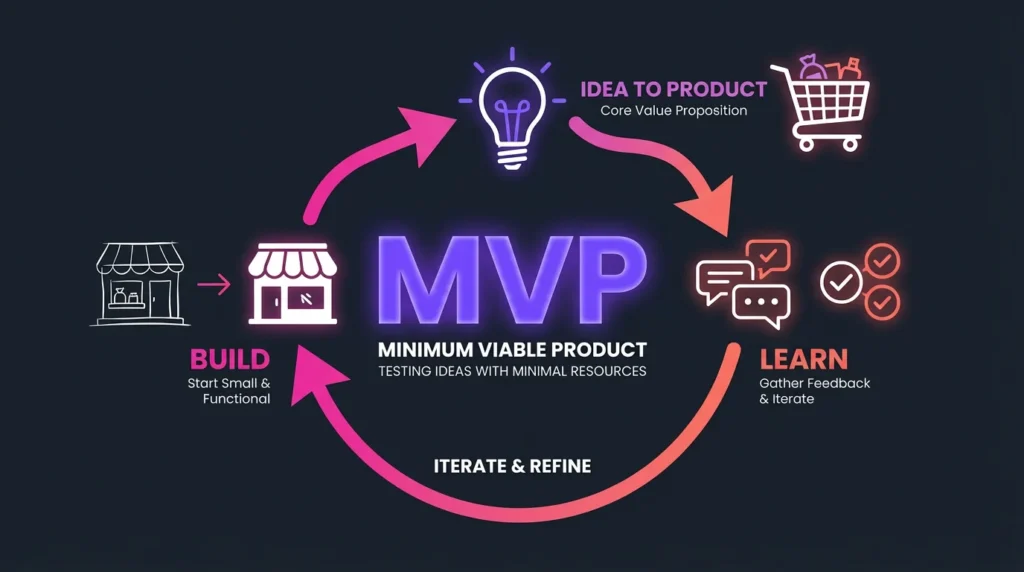
According to Eric Ries, author of The Lean Startup, “A Minimum Viable Product (MVP) is that version of a new product that allows a team to collect the maximum amount of validated learning about customers with the least effort.”
In retail, an MVP isn’t a half-baked product; it’s a strategy to test your core idea. The classic example is Zappos. In 1999, founder Nick Swinmurn wanted to test the idea of selling shoes online. Instead of buying inventory, he took pictures of shoes in local stores and posted them on a simple website. When a customer placed an order, he would physically go to the store, buy the shoe, and ship it. This is a perfect example of a “Wizard of Oz MVP”—a strategy that creates the illusion of a fully functioning product while the work is done manually behind the scenes. Swinmurn’s manual process was the 1999 equivalent of a pop-up store. He tested the core hypothesis—”will people buy shoes online?”—without a warehouse. Your pop-up will do the same for your niche concept, but with the added benefit of face-to-face feedback.
The MVP approach offers several key benefits:
- Validate Ideas Early: Avoid spending money and time on a product nobody wants to buy.
- Drastic Cost Savings: Prevent overspending on features or inventory that users don’t require.
- Faster Time to Market: Launch a basic version quickly to start gathering real-world feedback and generating initial sales.
- User-Centered Development: Use direct customer feedback to build a business that solves a real problem and creates a great experience.
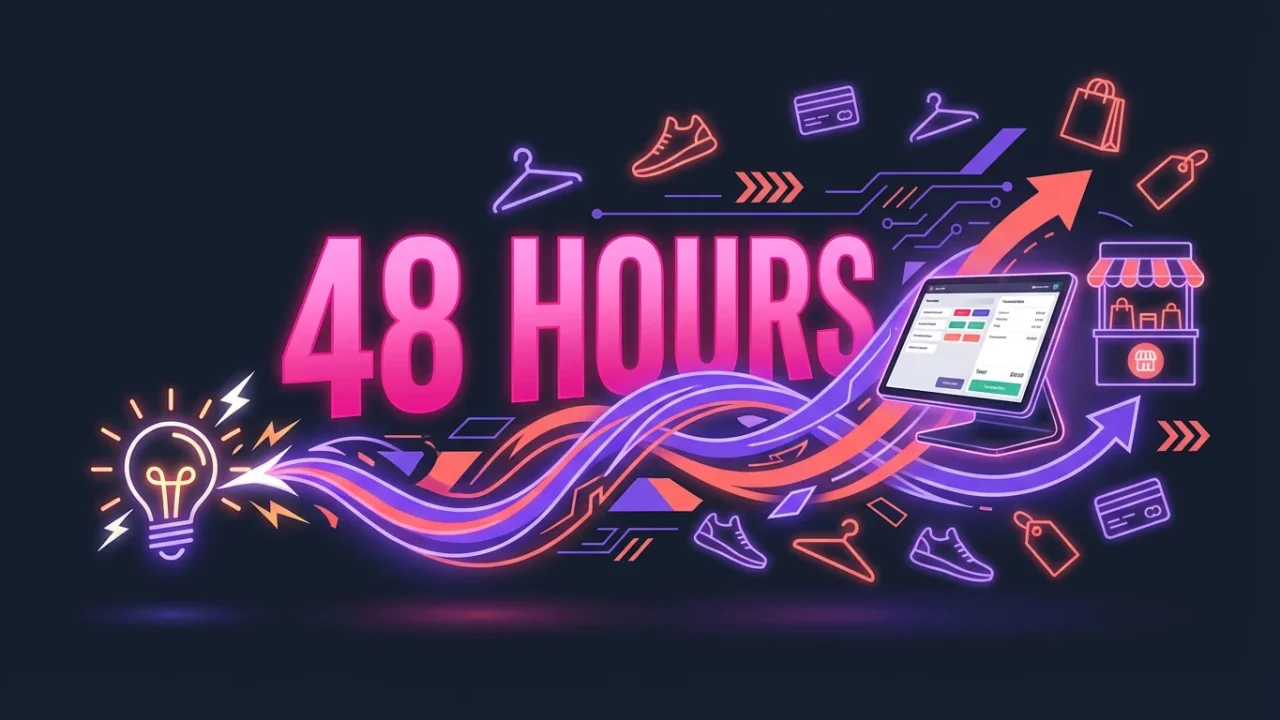
The 48-Hour Blueprint: From Sneaker Idea to Pop-Up POS
This timeline provides a step-by-step guide to launching your retail concept over a single weekend.
Day 1, Morning: Validate the Problem, Not Just the Product
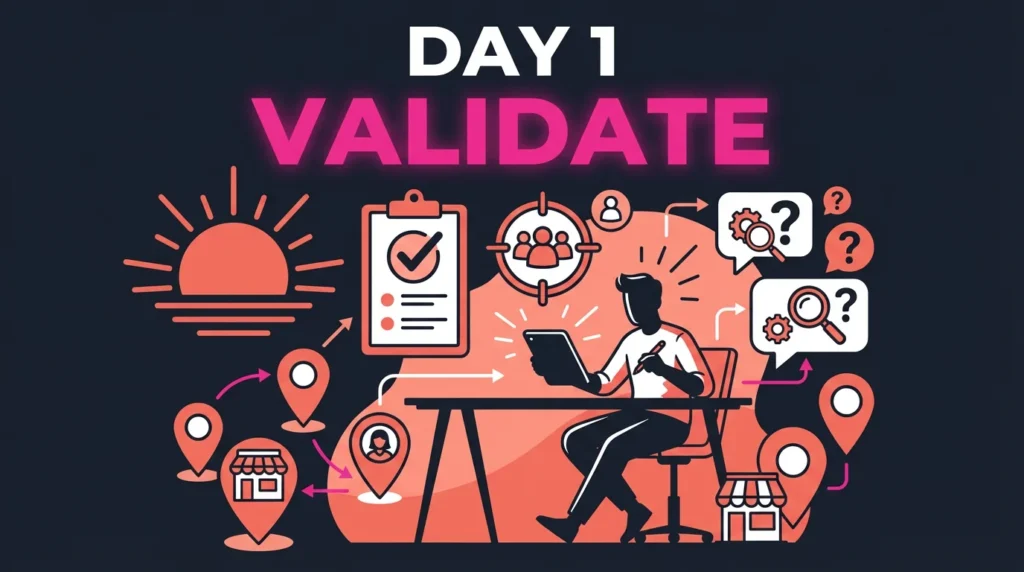
The first step is to confirm people actually have the problem you aim to solve. Your goal is not to build a full store but to test a specific hypothesis about your customers.
A pop-up store is an ideal, low-cost method for a retail MVP. Pop-ups are a great way to “test the waters before committing to a longer retail lease” and gather direct, in-person feedback from potential customers. Spend the morning planning the logistics for a simple, one-day pop-up event. This doesn’t have to be a formal storefront. Think about a stall at a local weekend market, a small table in a co-working space lobby, or even a designated spot in a friend’s existing complementary retail store.
Day 1, Afternoon: Build Your Digital Toolkit in Minutes
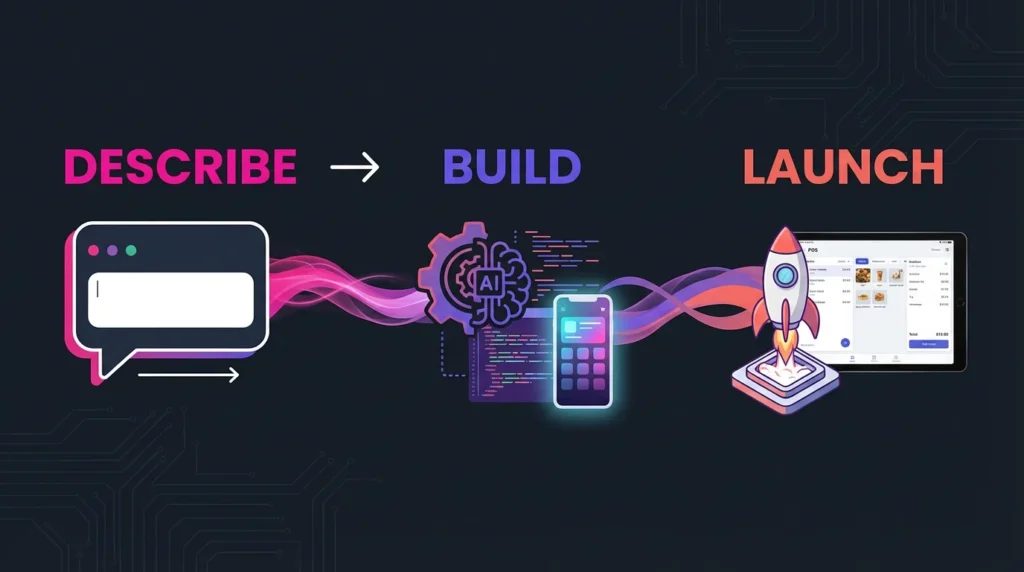
To run your pop-up professionally, you’ll need a way to showcase your products and take orders. Instead of using a clunky spreadsheet or a pen-and-paper system, you can build a simple app that functions as a mobile Point of Sale (POS) system.
For this blueprint, we’ll use a tool like Imagine.bo, which uses AI to create a functional catalog and order-taking app right from a simple description. This requires zero coding knowledge.
The process takes just three steps:
- Describe: In plain English, describe the app you need. For example: “An app for my pop-up sneaker store that shows a simple catalog of 10 sneaker styles with pictures and prices, and lets me take customer orders.”
- Build: Imagine.bo’s AI instantly generates the app’s structure, user flows, and a simple backend to manage your product catalog.
- Launch: With one-click deployment, the app is live and ready to be used on a tablet or smartphone at your pop-up event the next day.
This entire process can take minutes, a stark contrast to the months of traditional development.
Day 2: The Pop-Up — Real Sales, Real Learning
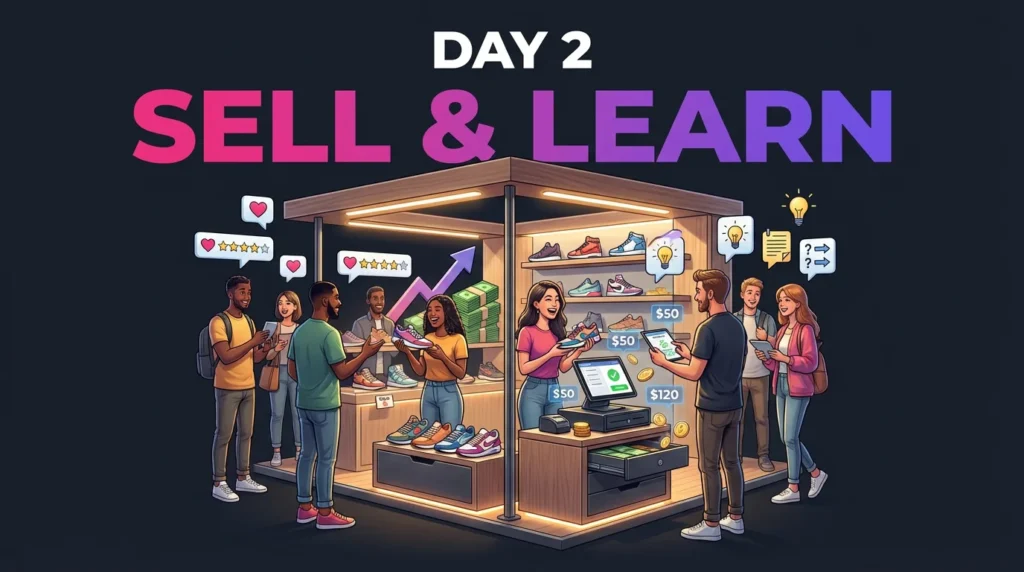
With your pop-up space set up and your simple POS app ready, it’s time to open for business. As you showcase your catalog and record every sale, your most important job is to talk to potential customers. Spark conversations with a few open-ended questions:
- “What brought you over to our table today?”
- “Which of these designs catches your eye the most, and why?”
- “If you were describing this brand to a friend, what would you say?”
Remember, the primary goal today is not just to sell but to learn. By the end of the day, you can answer critical questions based on real data, not assumptions:
- Which sneaker designs are most popular?
- Is the price point right?
- What feedback are customers giving in person?
- Does the core concept resonate with your target audience?
This 48-hour process transforms a risky assumption into a validated business concept, backed by actual sales and invaluable customer insights.
Why You Don’t Need $50k to Start: Lessons from the Greats
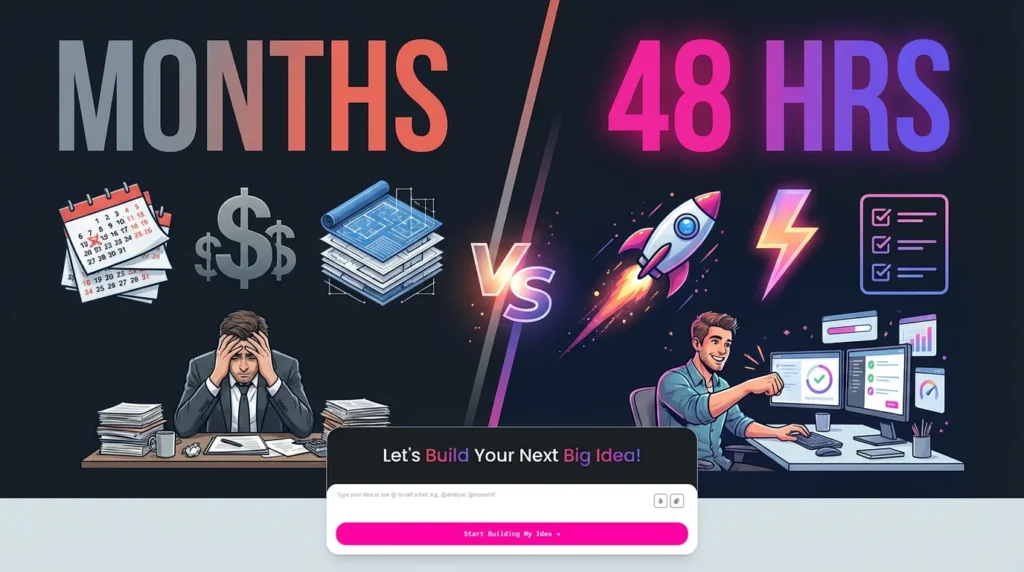
The lean approach fundamentally changes the risk and investment required to launch a new retail idea.
| Factor | Traditional Approach | Lean Retail (MVP) Approach |
|---|---|---|
| Initial Cost | High (e.g., $50k for software, inventory) | Low (Cost of pop-up space + minimal tool fees) |
| Time to First Sale | Months or Years | 48 Hours |
| Risk Level | High (Based on assumptions) | Low (Based on validated learning) |
| Customer Feedback | Delayed until after full launch | Immediate and direct |
This strategy isn’t just for newcomers; it’s how empires are built. Amazon didn’t start with a global logistics network; it started by validating one core problem: selling books online from a garage. Airbnb didn’t build a massive booking platform; its founders validated their idea by solving one core problem—finding a place to stay during a conference—using their own apartment and a basic website. Both started with a laser-focused MVP that addressed a single pain point for a small audience, exactly like the pop-up you can launch this weekend.
Conclusion: Stop Dreaming, Start Validating
The biggest risk any new entrepreneur faces is building a business in isolation. The smartest path forward is to test your core idea as quickly and affordably as possible.
Modern tools have made this lean approach more accessible than ever. AI-powered platforms like Imagine.bo are designed specifically for founders to bridge the gap between an idea and a functional, testable product without needing to code.
That $50,000 mistake is avoidable. Your niche retail idea doesn’t need a huge budget to get started. It needs a smart test. Use this 48-hour blueprint to validate your concept and take the first real step toward building your business with confidence.
Launch Your App Today
Ready to launch? Skip the tech stress. Describe, Build, Launch in three simple steps.
Build