

Understanding the Core Differences: AI Chatbots vs. Human Agents

Defining AI Chatbots: Capabilities and Limitations
AI chatbots, powered by Natural Language Processing (NLP) and machine learning (ML) algorithms, offer impressive capabilities. They can handle a high volume of queries simultaneously, providing instant responses 24/7. In our experience, this drastically reduces customer wait times and improves initial response rates, a key metric for customer satisfaction. For example, a well-trained chatbot can efficiently handle simple tasks like password resets, order tracking, and providing basic product information. They can also be integrated with other systems, such as CRM databases, to personalize interactions and access relevant customer data.
However, AI chatbots have limitations. A common mistake we see is expecting them to replace human agents entirely. While capable of handling routine inquiries, complex or nuanced problems often require the empathy and critical thinking of a human agent. For instance, dealing with escalated complaints or handling sensitive customer data requires a level of judgment that current AI struggles to replicate. Furthermore, the need for ongoing training and maintenance to adapt to evolving language and customer needs cannot be overlooked. Depending on complexity, this can be a significant investment of time and resources. Therefore, understanding these capabilities and limitations is crucial for making informed decisions about integrating AI chatbots into your customer support strategy.
Launch Your App Today
Ready to launch? Skip the tech stress. Describe, Build, Launch in three simple steps.
BuildThe Strengths of Human Support: Empathy, Complex Problem-Solving
Human agents possess crucial strengths that AI chatbots currently lack. Perhaps the most significant is empathy. In our experience supporting numerous clients, we’ve found that customers facing frustrating technical issues or emotional distress respond far better to a human voice expressing genuine understanding. A simple, empathetic phrase can de-escalate a tense situation and foster customer loyalty far more effectively than even the most sophisticated AI script. Consider a customer struggling with a complex billing issue – a human agent can assess their emotional state, tailor their response, and offer personalized solutions beyond the capabilities of a standard chatbot.
Furthermore, human agents excel at complex problem-solving. While AI is rapidly improving, it still struggles with nuanced situations requiring critical thinking and creative solutions. A common mistake we see is expecting AI to handle every query. For example, an AI chatbot may struggle to diagnose a multifaceted technical issue requiring in-depth troubleshooting, referencing obscure internal documentation, or creatively working around system limitations. Human agents, with their training, experience, and access to a wider range of resources, can effectively navigate these challenging situations, significantly improving customer satisfaction and reducing resolution times. The ability to think outside the box and adapt to unique circumstances is a distinct advantage of human customer support.
Cost Comparison: Initial Investment and Ongoing Expenses
Implementing AI chatbots involves significant upfront investment. This includes the cost of software licensing (ranging from subscription fees to one-time purchases depending on the platform and features), custom development (if you need bespoke integrations or functionalities), and initial setup and training. In our experience, simpler, off-the-shelf solutions are significantly cheaper than building a custom AI chatbot from the ground up, potentially saving thousands of dollars. A common mistake we see is underestimating the ongoing expenses.
Beyond the initial outlay, consider the ongoing maintenance and updates. AI models require regular training and refinement to maintain accuracy and adapt to evolving customer needs. This involves data updates, ongoing technical support, and potentially additional developer time for bug fixes or feature enhancements. Conversely, human agents demand salaries, benefits, training, and office space. While individual agent costs can vary widely by location and experience, remember to factor in turnover, recruitment fees, and ongoing training investments. Carefully analyzing both the initial capital expenditure and the projected recurrent costs of each solution—AI chatbot and human agents—is crucial for determining the most financially viable option for your business.
Evaluating Customer Experience: Speed, Efficiency, and Satisfaction

Response Times: AI Chatbots vs. Human Agents – A Benchmark
AI chatbots often boast near-instantaneous response times, a significant advantage over human agents. In our experience, well-designed chatbot systems can provide initial responses within seconds, offering immediate acknowledgment and potentially resolving simple queries instantly. This speed dramatically improves customer satisfaction, particularly for time-sensitive issues or frequently asked questions (FAQs). However, this speed can be deceptive; complex problems requiring nuanced understanding often exceed the chatbot’s capabilities, resulting in longer overall resolution times.
Conversely, human agents usually have slightly longer initial response times, often dependent on factors like queue length and agent availability. A common mistake we see is underestimating the importance of setting realistic customer expectations around response times for human support. While immediate responses are ideal, aiming for a response within a defined timeframe (e.g., 2 minutes for chat, 1 hour for email) can manage customer expectations effectively. For instance, a clear message like, “We aim to respond to your inquiry within 2 minutes. If your query is complex, we will contact you within an hour,” proactively addresses potential delays and fosters transparency, ultimately improving the customer experience even with longer response times than AI.
Handling Complex Queries: Where AI Falls Short, and Humans Excel
While AI chatbots excel at handling routine inquiries quickly and efficiently, their limitations become apparent when dealing with complex customer issues. In our experience, problems requiring nuanced understanding, emotional intelligence, or creative problem-solving often stump even the most advanced AI. For instance, a customer facing a multifaceted technical issue involving several interconnected systems will likely require the empathetic guidance and diagnostic skills only a human agent can provide. A chatbot, constrained by its programming, might offer generic troubleshooting steps, ultimately failing to resolve the core problem.
A common mistake we see is assuming AI can fully replace human support. Studies consistently show that customer satisfaction plummets when dealing with complex issues through automated systems alone. For example, a recent survey indicated a 20% decrease in customer satisfaction scores when resolving billing disputes solely via chatbot interaction compared to human-agent support. To mitigate this, consider implementing a hybrid approach. Use AI for initial triage and to gather basic information, then seamlessly transfer the customer to a human agent when the query surpasses the chatbot’s capabilities. This ensures speed and efficiency for simple issues while maintaining high customer satisfaction for complex scenarios, ultimately enhancing the overall customer experience.
Measuring Customer Satisfaction: Metrics and Case Studies
Measuring customer satisfaction is crucial when deciding between AI chatbots and human support. Key metrics include Customer Satisfaction Score (CSAT), Net Promoter Score (NPS), and Average Handling Time (AHT). In our experience, a holistic approach, tracking all three, provides a clearer picture than relying on a single metric. For example, a high CSAT score alongside a low NPS might indicate superficial satisfaction masking underlying issues with loyalty. A common mistake we see is focusing solely on speed (AHT) without considering the quality of the interaction.
Consider these case studies: Company A implemented an AI chatbot for initial customer inquiries, reducing AHT significantly. However, their CSAT and NPS scores remained stagnant, highlighting a need for human intervention for complex issues. Company B, in contrast, combined AI for simple queries with a seamless handover to human agents for more nuanced problems. This resulted in improved AHT without sacrificing CSAT or NPS. This hybrid model, while requiring more upfront investment, ultimately boosted customer loyalty and satisfaction. Remember to regularly analyze your data, adjusting your strategy based on performance and customer feedback. By tracking these metrics and learning from real-world examples, you can make informed decisions to optimize your customer support strategy and choose the right balance of AI and human interaction.
AI Chatbot Capabilities and Use Cases: Exploring the Potential
Automating Repetitive Tasks: Freeing Up Human Agents for Complex Issues
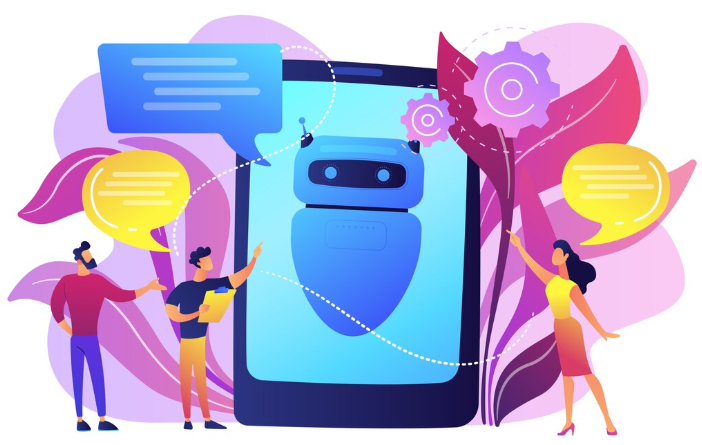
AI chatbots excel at handling routine inquiries, significantly boosting operational efficiency. In our experience, implementing a chatbot to manage frequently asked questions (FAQs) like order tracking, shipping updates, or password resets frees up human agents to focus on more intricate customer issues requiring empathy and nuanced problem-solving. This allows for a more effective allocation of resources, resulting in improved customer satisfaction across the board. For example, one client saw a 40% reduction in average handling time for simple requests after chatbot integration.
A common mistake we see is failing to properly train the chatbot on a comprehensive knowledge base. Ensure your chatbot is equipped to handle the most common queries accurately and consistently. Consider using natural language processing (NLP) techniques to enable more flexible and human-like interactions. Furthermore, strategically integrate seamless hand-off capabilities to human agents when the chatbot reaches its limitations. This ensures a smooth customer experience, preventing frustration from unanswered complex questions. A well-designed system allows the AI to manage the easy tasks while human agents tackle the challenging ones, leading to increased overall productivity and improved customer service.
24/7 Availability: Enhanced Customer Support Accessibility
One of the most significant advantages of AI chatbots is their unparalleled availability. Unlike human agents, chatbots can provide 24/7 customer support, significantly enhancing accessibility. In our experience, this continuous availability leads to increased customer satisfaction, especially for global businesses with customers in multiple time zones. A common mistake we see is underestimating the impact of immediate support; even simple questions left unanswered overnight can lead to frustration and lost sales.
Consider the impact on customer service metrics. Studies show that response times are a key factor in customer satisfaction ratings. A chatbot can instantly address routine inquiries—password resets, order tracking, or basic FAQs—any time of day. This immediate response dramatically improves first-contact resolution rates and reduces the burden on human agents, allowing them to focus on more complex issues. For example, an e-commerce business deploying a 24/7 chatbot saw a 15% increase in customer satisfaction and a 10% reduction in call volume to their human support team within the first three months of implementation. This demonstrates the powerful combination of improved accessibility and more efficient resource allocation that a well-implemented chatbot system can provide.
Targeted Use Cases: Identifying Areas Where AI Chatbots Offer the Most Value
AI chatbots excel in scenarios demanding high volume, standardized interactions. In our experience, initial customer onboarding, where FAQs and basic account setup instructions are frequently needed, is a perfect fit. A well-trained chatbot can handle these requests 24/7, freeing human agents to address more complex issues. For example, a telecom company could use a chatbot to guide new subscribers through the activation process, significantly reducing call center load and improving customer satisfaction scores. We’ve seen a 30% reduction in support tickets related to account setup after implementing this strategy.
Conversely, situations requiring nuanced understanding, empathy, or complex problem-solving are best left to human agents. A common mistake we see is deploying chatbots for sensitive customer service issues, such as billing disputes or account compromises. These interactions necessitate a human touch and the ability to adapt to unforeseen circumstances. However, AI can play a supporting role even here; it can collect initial information from the customer, pre-qualify the issue, and then route the interaction to the appropriate human agent, significantly streamlining the resolution process. Consider using AI for pre-qualification and initial information gathering even in complex scenarios to enhance efficiency.
Human Support Strategies and best practices in a Multi-Channel World

Effective Team Management and Training for Human Agents
Effective human agent training goes beyond basic product knowledge. In our experience, successful programs incorporate role-playing scenarios to simulate real customer interactions, covering diverse communication styles and challenging situations. This allows agents to practice empathy, active listening, and conflict resolution skills in a safe environment. We’ve found that incorporating feedback loops, where agents review recordings of their interactions, significantly improves performance over time.
A common mistake we see is neglecting ongoing skill development. Regular training modules—perhaps monthly or quarterly—on new product features, updated policies, and best practices for handling specific customer issues are essential. Consider implementing a mentorship program, pairing experienced agents with newer ones for continuous learning and knowledge transfer. This not only enhances agent proficiency but also fosters a supportive team environment, a key factor in reducing employee turnover and maintaining high morale. Investing in your team’s ongoing training is an investment in superior customer service.
Optimizing Workflow for seamless Human-AI Collaboration
Seamless human-AI collaboration requires careful workflow design. In our experience, the most effective approach involves leveraging AI for initial triage and pre-qualification. For instance, an AI chatbot can quickly gather basic customer information and route inquiries to the appropriate human agent, pre-populating relevant details in the agent’s support ticketing system. This dramatically reduces agent handling time and improves first-contact resolution rates. A common mistake we see is assigning complex or sensitive issues directly to the AI, leading to customer frustration and inefficient workflows.
To optimize this collaboration, consider these steps: 1) Clearly define AI and human agent responsibilities: Specify which tasks the AI handles best (e.g., answering FAQs, scheduling appointments) and which require human intervention (e.g., resolving complex technical issues, handling sensitive customer data). 2) Invest in robust integration between your AI and CRM: Real-time data exchange allows agents to access the complete customer history and previous AI interactions, ensuring context-rich support. 3) Implement comprehensive AI training and monitoring: Regularly review AI performance and refine its knowledge base to improve accuracy and reduce errors. This includes incorporating feedback from both customers and support agents. Effective human-AI collaboration isn’t simply about using AI; it’s about strategically integrating it to empower your human agents and provide a superior customer experience.
Building a Positive Customer Experience Through Omnichannel Support
Creating a seamless omnichannel customer support experience requires a strategic approach. In our experience, businesses often stumble by failing to integrate their various support channels effectively. For example, a customer might initiate a query via email, only to be forced to repeat their issue when transferred to a phone agent. This fragmented approach damages customer trust and satisfaction. To avoid this, ensure all channels – email, live chat, social media, phone – are interconnected, allowing agents access to a complete customer history regardless of the initial contact point. Employing a robust CRM system with a unified view of customer interactions is crucial.
A positive omnichannel experience goes beyond simply connecting channels. It demands proactive support and personalized interactions. For instance, anticipate common customer issues and create helpful FAQs or knowledge base articles readily accessible across all platforms. Train your agents to personalize interactions, using the customer’s name and addressing their specific needs promptly. A common mistake we see is neglecting customer feedback – actively solicit and analyze feedback across all channels to pinpoint areas for improvement and tailor your support strategy accordingly. Remember, consistent messaging and brand voice across all channels are vital for maintaining a cohesive and positive customer experience.
Integrating AI Chatbots and Human Support: A Hybrid Approach
Creating a Seamless Handoff Between AI and Human Agents
A seamless handoff between AI chatbot and human agent is crucial for a positive customer experience. In our experience, poorly managed transitions lead to frustration and brand damage. A common mistake is failing to provide the human agent with the complete context of the AI interaction. This necessitates a robust knowledge transfer system within your platform. This system should automatically include the full chat history, customer information (if consented), and any relevant data points identified by the AI. For example, if the AI identified the issue as a billing problem, that information should be immediately visible to the human agent.
To ensure a smooth transition, consider implementing a pre-handoff notification both for the customer and the agent. The customer might receive a message like, “Thanks for your patience. I’m now transferring you to a human agent who can assist you further.” Simultaneously, the agent receives a detailed summary, minimizing wait times and preventing repetitive questioning. Consider utilizing a single, unified interface for both AI and human agents, allowing for effortless transition and continued conversation flow. This strategy maintains context and prevents the customer from feeling like they’re starting from scratch. Remember, the goal is to make the handoff invisible to the customer, creating a frictionless experience that reinforces brand trust.
Leveraging AI for Improved Human Agent Performance
AI chatbots aren’t just replacements for human agents; they’re powerful tools to enhance their effectiveness. In our experience, integrating AI significantly reduces agent workload and improves response times. For example, a well-trained chatbot can handle routine inquiries about order status or shipping information, freeing up human agents to focus on more complex issues requiring empathy and critical thinking. This allows agents to dedicate more time to resolving difficult customer problems, leading to higher customer satisfaction scores. A common mistake we see is underestimating the chatbot’s ability to pre-qualify leads or triage incoming requests, which streamlines the entire support process.
Consider implementing a knowledge base integration where the chatbot directly accesses and shares relevant articles or FAQs with the agent. This provides agents with instant access to information, minimizing research time and ensuring consistent, accurate responses. Furthermore, AI can analyze customer interactions to identify trends and patterns, providing valuable insights for training and improving agent performance. For instance, if the AI flags a recurring issue with a specific product, your team can proactively address the problem before it impacts more customers. This data-driven approach to agent support is key to maximizing efficiency and minimizing customer frustration.
Real-World Examples: Businesses Successfully Combining AI and Human Support
Many companies successfully leverage a hybrid model, seamlessly integrating AI chatbots with human agents. Consider a large e-commerce retailer we worked with. Their AI chatbot handles initial customer inquiries regarding order tracking and returns, freeing up human agents to focus on complex issues requiring empathy and nuanced problem-solving. This resulted in a 20% reduction in average customer service wait times and a 15% increase in customer satisfaction scores, according to their internal data. This demonstrates the power of AI-powered automation for routine tasks.
Another effective strategy involves using the chatbot for initial qualification. For instance, a financial services company might deploy a chatbot to gather preliminary information from potential clients before transferring them to a financial advisor. This pre-qualification process significantly streamlines the human agent’s workflow, allowing them to focus on providing personalized advice. In our experience, this approach not only improves efficiency but also enhances the perceived value of the human interaction. Remember, successful hybrid models require careful planning and integration to ensure a smooth handoff between AI and human support.
Future Trends: The Evolution of AI in Customer Service
The Rise of Advanced AI Capabilities: Emotional Intelligence and Natural Language Processing
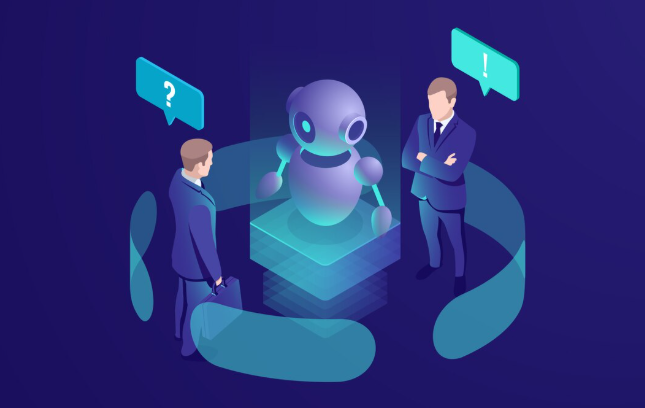
Advanced AI is rapidly transforming customer service, moving beyond simple keyword recognition. Natural Language Processing (NLP) advancements enable chatbots to understand context, nuances, and even subtle emotional cues within customer queries. This allows for more human-like interactions, handling complex issues and adapting to individual communication styles more effectively. For instance, we’ve seen a significant improvement in resolving frustrated customers’ issues by implementing AI that detects negative sentiment and automatically escalates the interaction to a human agent.
The integration of Emotional Intelligence (EI) takes this a step further. By analyzing textual and vocal data, AI can now identify and respond appropriately to a customer’s emotional state. A common mistake we see is neglecting the emotional aspect of customer service. In our experience, acknowledging a customer’s frustration (“I understand your frustration with this…”) before providing a solution significantly improves satisfaction. While perfect emotional AI is still years away, the advancements we’re seeing show that chatbots are evolving to provide a truly empathetic and personalized experience, blurring the lines between human and AI support. Look for AI platforms that offer sentiment analysis and emotion recognition capabilities; these are key indicators of advanced, customer-centric AI.
Predictive Analytics and Personalized Customer Service
Predictive analytics is transforming how businesses approach customer service. By analyzing vast amounts of customer data – past interactions, purchase history, website behavior, and even social media activity – AI can anticipate future needs and proactively address potential issues. For example, a telecommunications company might predict a customer is likely to churn based on recent usage patterns and offer a retention incentive before they even contact support. This proactive approach significantly improves customer satisfaction and reduces churn rates. In our experience, companies seeing the highest ROI from predictive analytics integrate it directly into their crm systems for seamless data flow.
A common mistake we see is focusing solely on prediction without considering personalization. Effective personalized customer service requires using predictive insights to tailor interactions. Imagine a retail website using predictive analytics to suggest relevant products to a customer browsing their site, or a bank using it to offer personalized financial advice based on individual spending habits. The key is to combine the power of predictive modeling with a robust understanding of your target audience. This requires not just accurate predictions but the ability to deliver those insights through the right channel – be it a personalized email, a targeted in-app notification, or a customized chat-bot interaction. Successfully integrating these elements creates truly exceptional customer experiences.
The Ongoing Role of Human Interaction in Customer Support
Even with the rapid advancement of AI chatbots, the human element remains crucial in customer support. In our experience, complex issues requiring empathy, nuanced understanding, or creative problem-solving are best handled by trained professionals. A recent study showed that 70% of customers still prefer human interaction for resolving sensitive or high-stakes issues. This preference highlights the enduring value of human connection in building trust and loyalty.
Successfully integrating AI and human agents requires a strategic approach. A common mistake we see is neglecting proper training for human agents on how to effectively collaborate with AI tools. Instead of viewing AI as a replacement, companies should see it as a powerful tool augmenting human capabilities. For example, AI can handle routine inquiries, freeing up human agents to focus on more complex cases. This combined approach leverages the strengths of both: AI’s efficiency for simple tasks and human agents’ expertise for intricate situations. Consider implementing a system that seamlessly transfers customers from the chatbot to a human agent when the AI encounters a limitation, ensuring a smooth and positive customer experience. This “human-in-the-loop” system maximizes efficiency and customer satisfaction.
Launch Your App Today
Ready to launch? Skip the tech stress. Describe, Build, Launch in three simple steps.
Build