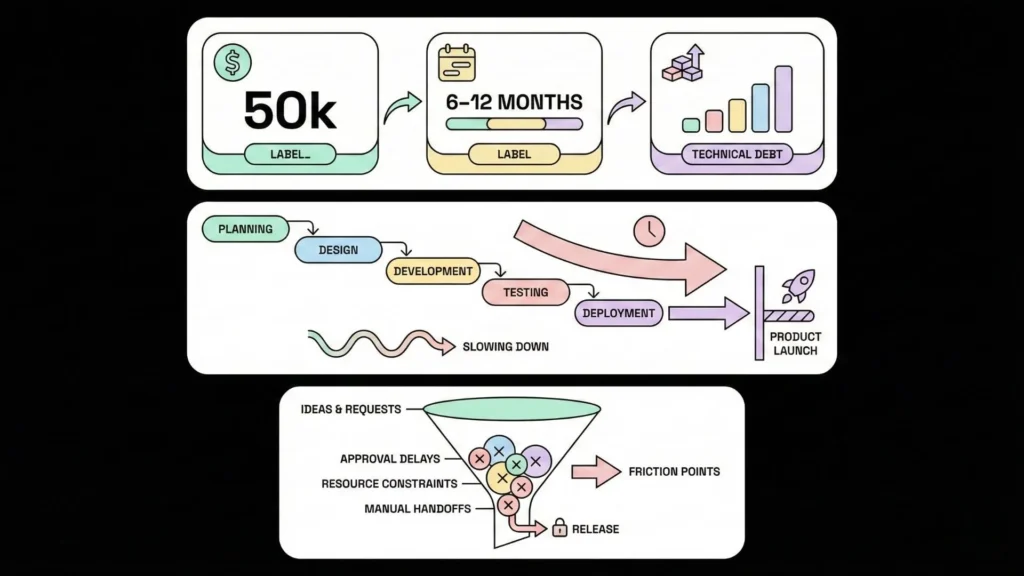
Understanding the Role of AI in App Development
AI-Powered Ideation and Prototyping: Transforming Ideas into Reality
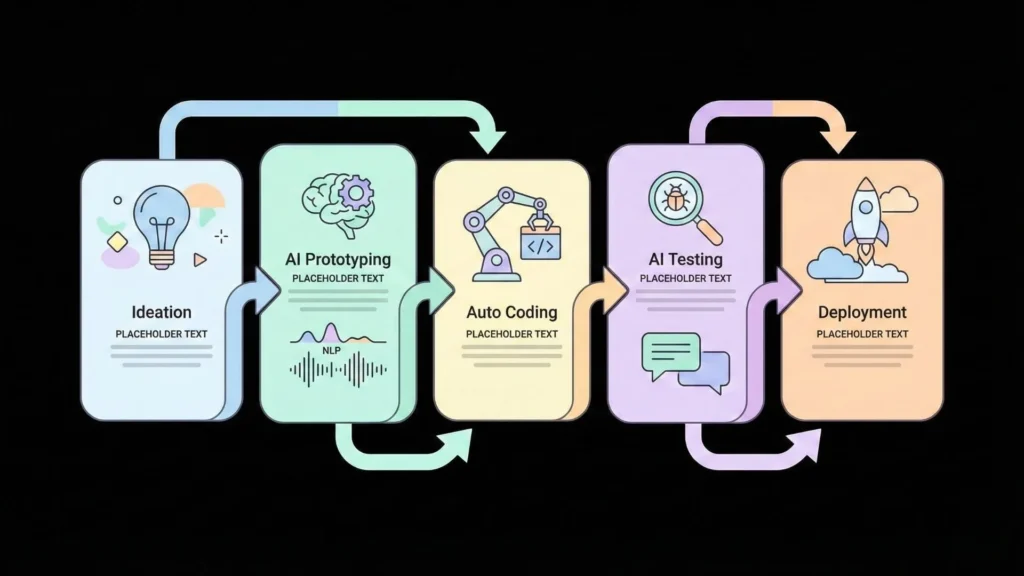
AI is rapidly changing how we approach app development, starting with the initial idea. Tools leveraging machine learning can analyze market trends, user preferences, and competitor apps to suggest innovative features and functionalities. This data-driven approach helps developers avoid common pitfalls and create apps more likely to resonate with their target audience. For example, an AI could analyze existing fitness apps and identify a gap in the market for personalized workout plans based on genetic predispositions, leading to a novel app concept.
Beyond ideation, AI significantly accelerates prototyping. Platforms now exist that allow developers to describe their app’s desired functionality using natural language. The AI then generates a basic prototype, complete with a user interface and basic functionality. This drastically reduces the time and resources needed for initial development. “This leap in efficiency allows developers to quickly test core concepts and iterate on designs, resulting in a more polished and user-friendly final product.” This process, fueled by AI-powered design tools, allows for rapid experimentation and refinement, ultimately leading to a superior app.
Launch Your App Today
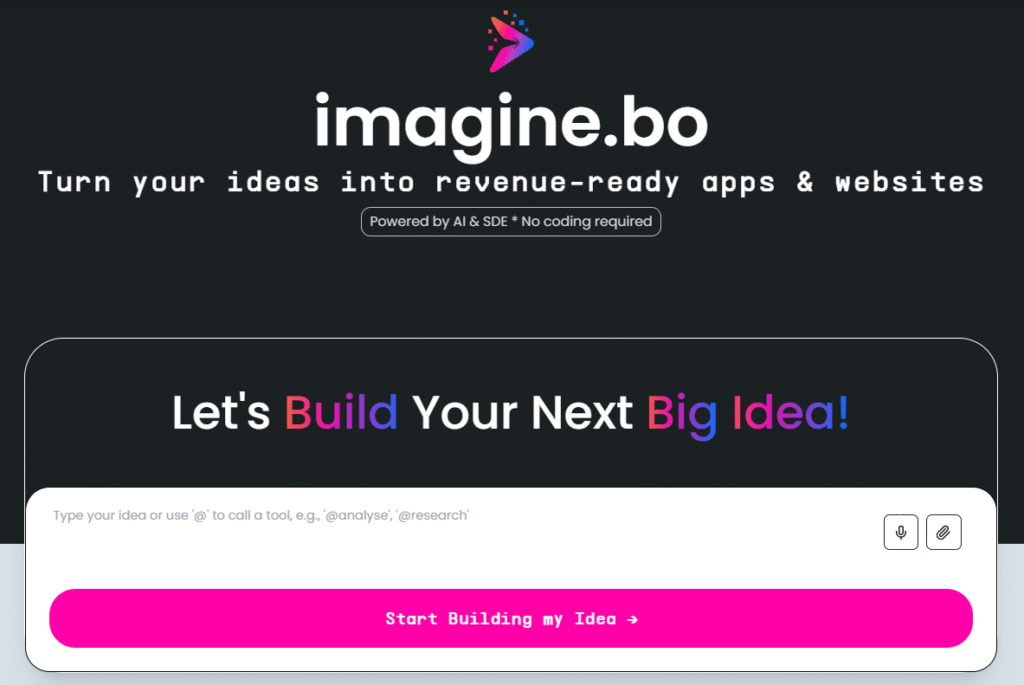
Ready to launch? Skip the tech stress. Describe, Build, Launch in three simple steps.
BuildAutomating the Coding Process: Streamlining Development with AI
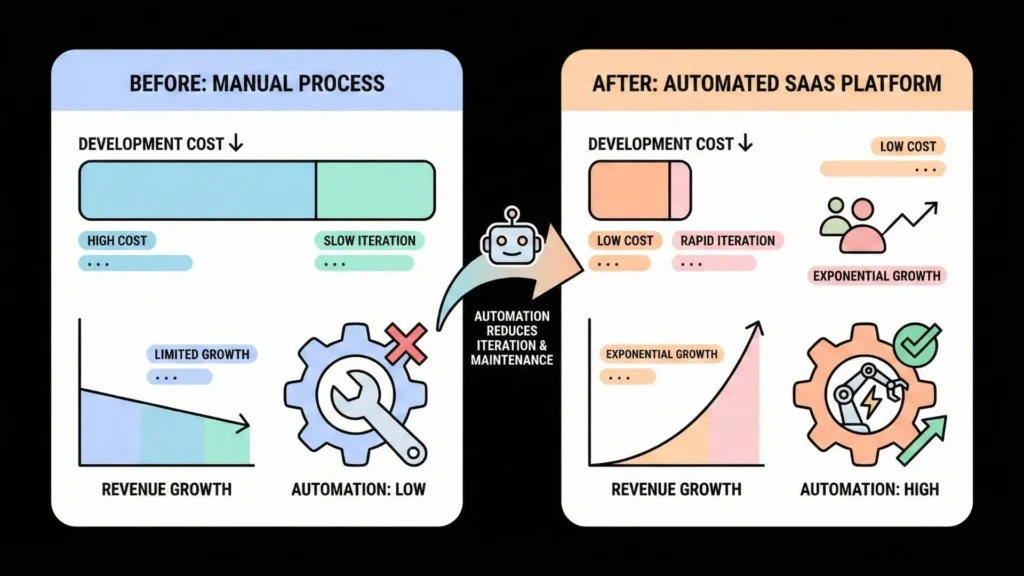
AI is rapidly transforming how we build apps. Tools like GitHub Copilot, powered by machine learning, already assist developers by suggesting code completions and even generating entire functions based on natural language descriptions. This significantly reduces the time spent on repetitive coding tasks. The result is faster development cycles and reduced costs. AI-powered code generation is not just about speed; it also improves code quality by suggesting best practices and identifying potential errors early on.
Furthermore, AI can automate testing processes. Platforms are emerging that use AI to automatically generate test cases, improving the reliability and thoroughness of the testing phase. This is crucial for delivering high-quality, bug-free apps. “By automating both coding and testing, AI promises to revolutionize the entire app development lifecycle, allowing developers to focus on more complex and creative aspects of the project.” Companies like Google and Amazon are already investing heavily in AI-driven development tools, showcasing the immense potential of this technology. This signifies a shift toward more efficient and effective app development practices.
AI-Driven Design and UX Optimization: Enhancing User Experience
AI is rapidly transforming app design, moving beyond simple automation to offer powerful UX optimization. Tools leverage machine learning to analyze user behavior data, identifying friction points and areas for improvement. This allows developers to proactively address usability issues, leading to higher user satisfaction and engagement. For example, companies like Adobe Sensei use AI to personalize design suggestions based on user preferences and historical data, resulting in faster design iterations and more effective interfaces.
“By analyzing vast datasets, AI can predict user preferences and behaviors with remarkable accuracy.” This allows for the creation of personalized user journeys and interfaces tailored to individual needs. Features like AI-powered chatbots offer instant support and guidance, enhancing the overall user experience. This data-driven approach ensures that design decisions aren’t just based on guesswork but on concrete evidence, resulting in a more intuitive and enjoyable app for the end-user. The result is a more efficient and ultimately, more successful application.
Key AI Tools and Technologies for App Development

Machine Learning for Predictive Analytics and Personalization
Machine learning (ML) significantly boosts app development by enabling powerful predictive analytics and personalized user experiences. By analyzing vast datasets of user behavior, ML algorithms can anticipate user needs and preferences. This allows for features like proactive recommendations, personalized content feeds, and targeted in-app notifications, all enhancing user engagement and satisfaction. For example, Spotify uses ML to suggest songs based on listening history, demonstrating the power of this technology for retention and growth.
This personalization extends beyond simple recommendations. AI-powered chatbots, trained using ML, provide instant customer support, answering frequently asked questions and resolving common issues efficiently. Furthermore, ML can optimize app performance by predicting potential bottlenecks and proactively adjusting resource allocation. “This predictive capability reduces downtime and enhances the overall user experience, resulting in higher app ratings and positive reviews.” The use of ML for predictive maintenance is becoming increasingly prevalent in app development, showing a clear return on investment for businesses.
Natural Language Processing (NLP) for Chatbots and Voice Assistants
Natural Language Processing (NLP) is revolutionizing how we interact with apps. It powers sophisticated chatbots and voice assistants, enabling more natural and intuitive user experiences. Companies like Google and Amazon heavily leverage NLP in their respective products, demonstrating its effectiveness in improving user engagement and satisfaction. For example, Google Assistant’s ability to understand complex queries and respond appropriately showcases the power of advanced NLP algorithms.
Integrating NLP into your app allows for features like intelligent conversational interfaces, automated customer support, and personalized recommendations. “By utilizing NLP, developers can create apps that feel more human and responsive, significantly enhancing user satisfaction and loyalty.” Consider the impact of a voice-activated shopping app that understands natural speech, or a chatbot that can resolve customer issues without human intervention. These are just a few examples of how NLP is transforming app development, offering a competitive edge in today’s market.
Computer Vision for Image Recognition and Augmented Reality
Computer vision, a crucial aspect of AI, is transforming app development. It allows apps to “understand” and interpret images, unlocking possibilities in several areas. Think of apps like Google Lens, which identifies objects in photos, or facial recognition software used for security. These functionalities are powered by sophisticated algorithms trained on massive datasets, enabling accurate and efficient image analysis. This technology is readily accessible through cloud-based APIs from providers such as Google Cloud Vision API and Amazon Rekognition, simplifying integration for developers.
Furthermore, computer vision is fundamental to creating compelling augmented reality (AR) experiences. AR apps overlay digital information onto the real world, enhancing user interaction. For example, furniture apps that let users virtually place furniture in their homes use computer vision to accurately track and understand the room’s dimensions. Developing AR features requires careful consideration of factors like processing power and real-time performance. However, “the potential for immersive and engaging user experiences is immense,” driving innovation in areas like gaming, retail, and education. Advancements in this field are continuously pushing the boundaries of what’s possible in mobile application design.
Step-by-Step Guide: Building an App with AI
Defining Your App’s Purpose and Target Audience
Before diving into AI-powered development, crystallize your app’s core functionality. What problem will it solve? What unique value does it offer users? Clearly defining this purpose guides the AI, ensuring it focuses on the essential features. Think of successful apps like Duolingo (language learning) or Headspace (meditation); both have laser-focused purposes appealing to specific demographics. Thorough planning at this stage is crucial for AI-driven app success. “Failing to define your app’s purpose early leads to wasted resources and a potentially unfocused product.”
Next, meticulously identify your target audience. Who are your ideal users? What are their needs, preferences, and tech proficiency? This informs design choices, from the user interface to the app’s overall aesthetic. For example, an app aimed at teenagers will likely need a different design than one intended for senior citizens. Consider using tools like user personas to create detailed profiles of your target users. This level of detail provides the AI with essential data, allowing it to generate a more effective and user-friendly application. Accurate targeting maximizes user engagement and app success.
Choosing the Right AI Tools and Platforms
Selecting the appropriate AI tools is crucial for a successful AI-powered app development project. Consider your project’s specific needs. Do you require natural language processing for a chatbot, or computer vision for an image recognition app? Platforms like Google Cloud AI Platform, Amazon Machine Learning, and Microsoft Azure AI offer a wide range of pre-trained models and customizable APIs. Carefully evaluate each platform’s strengths and weaknesses based on your budget, technical expertise, and desired functionalities. Factor in scalability and integration capabilities with your existing tech stack. “Choosing the wrong platform can lead to significant delays and increased costs later in the development process.”
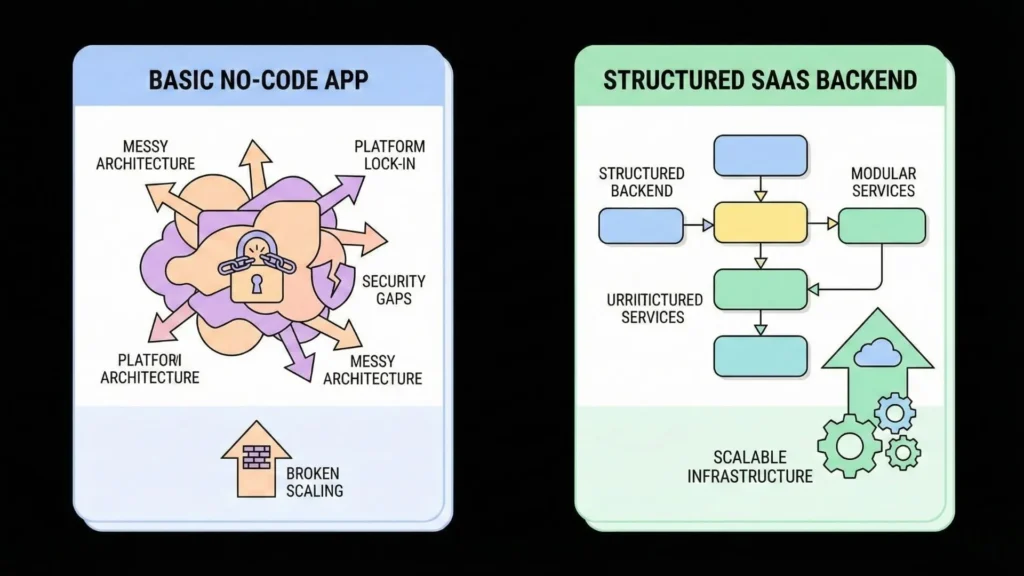
For instance, if your app demands robust machine learning capabilities for complex data analysis, a platform with strong ML infrastructure, like Google’s TensorFlow or PyTorch, would be essential. Conversely, if you are building a simple app with limited AI components, a no-code/low-code platform might suffice. Remember to thoroughly research different AI tool providers and read reviews before committing. “Prioritizing ease of integration and a well-documented API is key to streamlining the development pipeline and preventing integration headaches.” This careful selection process ensures a smooth and efficient development cycle.
Developing and Testing Your AI-Powered App Features
Once your AI model is trained and integrated, the development process shifts to building the user interface (UI) and user experience (UX). This involves designing intuitive interactions around your AI-powered features. Remember to prioritize user-friendliness; a complex UI can negate the benefits of a powerful AI engine. Tools like Figma and Adobe XD can aid in prototyping and iterative design, allowing for quick adjustments based on user feedback. Consider using A/B testing to compare different UI designs and optimize for the best user experience. “Prioritizing a clean and simple interface is crucial for user adoption of AI-powered apps.”
Testing is paramount. Thorough testing involves evaluating both the AI’s performance and the overall app functionality. This includes unit tests to verify individual components, integration tests to check how different parts interact, and user acceptance testing (UAT) with real users to get feedback on usability and identify bugs. Tools like Appium and Espresso provide automated testing capabilities, significantly speeding up the process and improving the overall quality of your app. Remember to monitor performance metrics such as response times and accuracy rates post-launch to continually improve your AI model and ensure a seamless user experience. “Continuous monitoring and iterative improvement are vital for successful AI-powered apps.”
Real-World Examples of AI-Powered Apps
Analyzing Successful AI-Driven Apps Across Various Industries
The healthcare industry showcases impressive AI applications. Companies like Babylon Health leverage AI-powered chatbots for initial patient consultations, improving access to care and streamlining workflows. This demonstrates how AI in app development can enhance efficiency and reach wider audiences. The success of Babylon Health highlights the potential for AI to personalize healthcare experiences and improve diagnostic accuracy, ultimately leading to better patient outcomes. Machine learning algorithms are central to their functionality, analyzing patient data to provide relevant information and advice.
Beyond healthcare, consider the impact of AI on e-commerce personalization. Platforms like Amazon extensively use AI to recommend products, predict customer behavior, and optimize inventory management. These capabilities significantly enhance the user experience, leading to increased sales and customer loyalty. “This highlights the power of AI to drive business growth by understanding and responding to individual customer needs in real-time.” By analyzing user data, AI algorithms personalize the shopping experience, improving conversion rates and customer satisfaction. This demonstrates the transformative potential of AI-driven app development across diverse sectors.
Case Studies: Deep Dive into Specific App Development Success Stories
One compelling example is the use of AI in mobile game development. Companies like Ubisoft are leveraging AI to generate diverse and engaging game content, including levels, characters, and storylines, significantly reducing development time and costs. This allows for quicker iterations and faster time-to-market, a crucial factor in the competitive mobile gaming landscape. “AI is not replacing human developers but acting as a powerful tool to augment their capabilities, allowing them to focus on more creative and strategic tasks.”
Another success story comes from the healthcare app sector. Companies are using AI to automate the creation of user interfaces (UIs) and improve the overall user experience. This includes AI-driven tools that suggest optimal design layouts, personalize the app based on user behavior, and even automatically generate code snippets for specific UI components. This streamlines the development process, resulting in faster deployment of healthcare apps that can improve patient care and access to vital medical information. “The use of AI in these areas is proving invaluable, enhancing efficiency and allowing developers to focus on the core functionality and user experience.”
Identifying Emerging Trends and Future Possibilities
AI’s predictive capabilities offer a glimpse into future app development trends. By analyzing vast datasets of user behavior and market trends, AI can identify emerging niches and predict successful app features before they even become mainstream. This allows developers to create apps that are not only innovative but also highly likely to resonate with their target audience. For example, analyzing app store data and social media sentiment can pinpoint user needs before they are explicitly articulated.
This foresight translates into more efficient and profitable app development. AI-powered tools can suggest optimal designs, predict potential bugs, and even automate parts of the coding process. “This leads to faster development cycles, reduced costs, and ultimately, a higher chance of creating a successful application.” We’re already seeing examples of this in personalized recommendation engines and predictive maintenance apps, showing the potential for even more sophisticated, AI-driven applications in the future. The combination of AI’s analytical power with human creativity will undoubtedly reshape the landscape of app development.
Overcoming Challenges and Best Practices
Addressing Data Privacy and Security Concerns in AI App Development
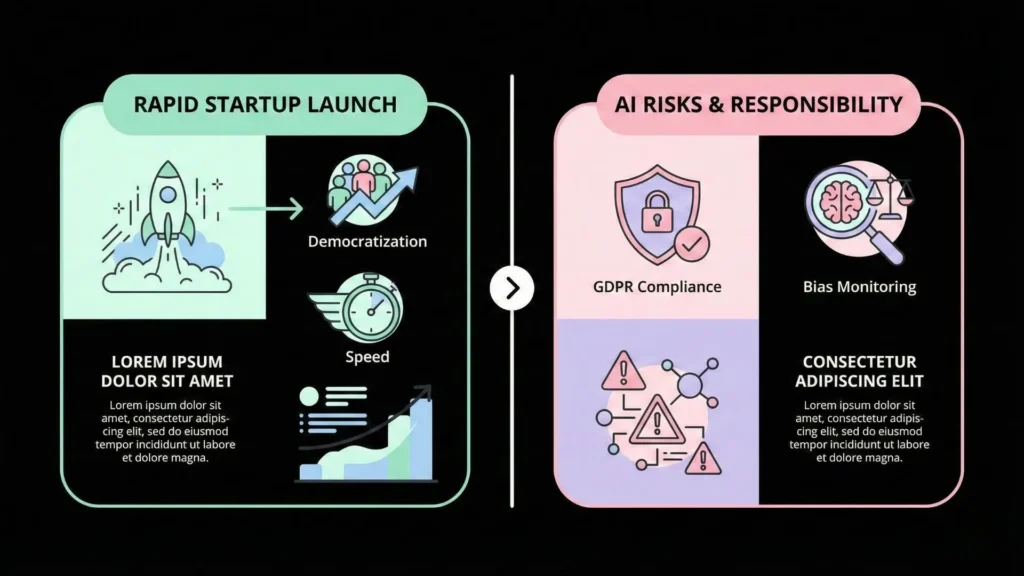
AI-powered app development offers incredible speed and efficiency, but it introduces new complexities regarding data privacy and security. Robust data anonymization techniques are crucial. Consider employing differential privacy or federated learning to minimize the risk of exposing sensitive user information during the training and deployment phases. Regulations like GDPR and CCPA must be meticulously followed. Failure to comply can result in hefty fines and reputational damage. Remember, user trust is paramount.
Building secure AI applications requires a multi-layered approach. Employ strong encryption methods throughout the development lifecycle, protecting data both in transit and at rest. Regularly audit your codebase for vulnerabilities, and implement rigorous access control mechanisms. Consider leveraging tools that perform automated security testing, such as static and dynamic analysis. “Prioritizing security from the very beginning is not just good practice; it’s a legal and ethical imperative.” Transparency with users about data collection and usage is equally vital for building trust and fostering long-term success.
Managing Costs and Resources Effectively
AI-powered app development offers significant cost advantages, but careful management is crucial. Initial investment in AI tools and skilled personnel is necessary. However, the long-term savings can be substantial. Automated processes reduce the need for large development teams, minimizing labor costs. Furthermore, faster development cycles lead to quicker time-to-market, generating faster ROI. Remember to factor in ongoing maintenance and potential retraining costs for your team.
Effective resource allocation is key. Prioritize AI features that deliver the most value. Focus on core functionalities first. Then, gradually add more sophisticated AI elements as needed. Companies like Google and Amazon provide cloud-based AI services. These services offer scalable resources, eliminating the need for significant upfront infrastructure investments. “By strategically leveraging these resources and prioritizing features, businesses can optimize their AI app development budget and maximize returns.” Careful planning and a phased approach are essential for success.
Ensuring Ethical AI Development and Responsible Innovation
Ethical considerations are paramount when using AI in app development. Bias in training data can lead to discriminatory outcomes. For example, facial recognition systems have shown biases against certain ethnic groups, highlighting the need for careful data curation and ongoing monitoring. Responsible AI development demands a proactive approach to identifying and mitigating these risks. This includes employing diverse datasets, implementing rigorous testing procedures, and incorporating fairness metrics into the development process. “Ignoring these ethical considerations can lead to significant reputational damage and legal repercussions.”
Furthermore, transparency and explainability are crucial. Users should understand how the AI component of your app functions and what data it utilizes. This builds trust and allows for accountability. Companies like IBM are actively developing explainable AI (XAI) tools to address this challenge. Implementing robust data privacy measures, adhering to regulations like GDPR, and providing clear user consent mechanisms are also essential for responsible AI app development. Building user trust is vital for success; ethical practices foster long-term user engagement and loyalty.
The Future of AI in App Development
Predicting Future Trends and Technological Advancements
AI’s predictive capabilities are rapidly transforming app development. By analyzing vast datasets of user behavior, market trends, and technological advancements, AI can forecast future demands with remarkable accuracy. This allows developers to create apps better suited to emerging needs, minimizing the risk of building obsolete features. For example, Google’s use of AI to predict app usage patterns allows for proactive server scaling, improving performance and user experience.
This proactive approach extends beyond user behavior. AI can also predict which new technologies will be impactful. By tracking research papers, patent filings, and open-source project activity, AI tools can identify promising advancements like augmented reality or blockchain integration early in their lifecycle. “This allows developers to incorporate cutting-edge features into their applications, gaining a significant competitive advantage,” giving them a head start in utilizing emerging technologies to optimize their app’s functionality and market position. Early adoption of these predicted trends often leads to greater market success.
Exploring New Opportunities for AI Integration in App Development
AI’s role in app development extends far beyond simple automation. We’re seeing innovative uses emerge daily. For example, AI-powered code generation tools like GitHub Copilot are already boosting developer productivity by suggesting code completions and even entire functions. This translates to faster development cycles and reduced costs. Furthermore, AI can analyze user data to predict app usage patterns, allowing developers to proactively optimize performance and enhance user experience. This data-driven approach leads to more engaging and successful applications.
The integration of AI also opens doors to personalized user interfaces. Imagine an app that adapts its layout and features based on individual user preferences, learned through AI algorithms. This level of customization is previously unimaginable at scale. Companies like Netflix already leverage similar AI-driven recommendation systems. “Applying this technology to app development will usher in a new era of hyper-personalized mobile experiences,” significantly impacting user engagement and satisfaction. Expect to see more sophisticated AI-powered features, including advanced chatbot integration and predictive analytics, becoming standard in future apps.
Ethical Considerations and the Societal Impact of AI-Powered Apps
The rise of AI in app development necessitates careful consideration of ethical implications. Bias in training data can lead to discriminatory outcomes. For example, facial recognition technology has shown bias against certain ethnic groups, highlighting the need for diverse and representative datasets. This is crucial for building fair and inclusive AI-powered applications. Developers must proactively mitigate these risks through rigorous testing and auditing. Transparency in algorithms is also paramount, allowing users to understand how decisions are made and fostering accountability.
Furthermore, the societal impact of AI-driven app development is far-reaching. Job displacement is a significant concern, as AI can automate tasks previously performed by humans. However, it also presents opportunities for new job creation in areas like AI development and maintenance. The potential for increased efficiency and productivity is undeniable, but it’s crucial to consider the potential for exacerbating existing inequalities if the benefits are not distributed equitably. “Addressing these challenges requires a multi-faceted approach involving collaboration between developers, policymakers, and the wider community.” This collaborative effort will ensure AI benefits society as a whole.
Launch Your App Today
Ready to launch? Skip the tech stress. Describe, Build, Launch in three simple steps.
Build