The TL;DR:
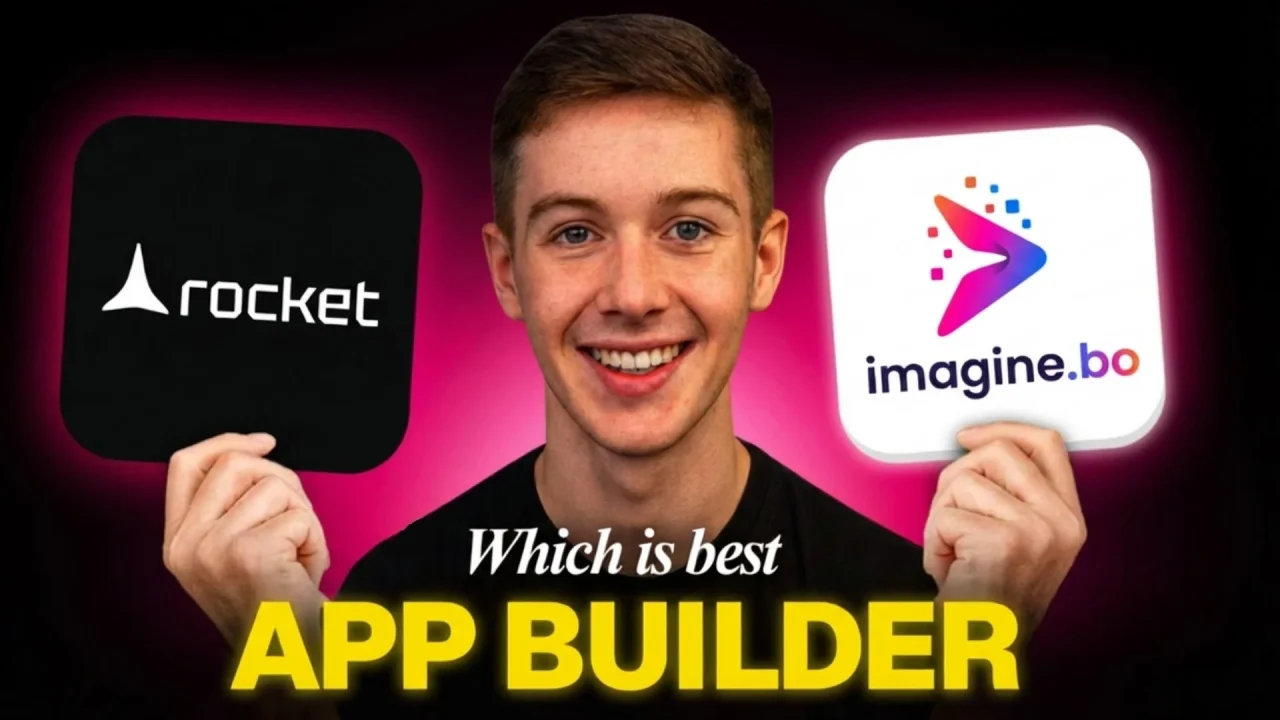
- Rocket.new: Built for the “Rapid Versatility” era—perfect for shipping multi-platform MVPs at the speed of thought.
- Imagine.bo: The “Production-Grade Architect”—engineered for high-stakes systems where scalability and security are non-negotiable.
In the evolving tech landscape of 2026, building software no longer requires writing complex syntax. A powerful wave of “vibe coding” platforms like Bolt, Lovable, Rocket.new, and Imagine.bo now allows teams to spin up full-stack projects using simple English prompts. However, the real challenge lies in choosing a foundation that matches your operational strategy, as your architectural choice dictates long-term success. Rocket.new has cemented itself as the engine for “Rapid Versatility,” providing a Swiss Army knife approach for high-speed, multi-platform deployment. Conversely, Imagine.bo thrives as the “Production-Grade Architect,” functioning as a high-level engineering partner for high-stakes systems. This guide breaks down exactly which platform fits your specific scalability needs.
The Core Strategy: “Rapid Versatility” vs. “Production-Grade Precision”
The fundamental difference between these platforms lies in their “soul” one is a Swiss Army knife for speed, while the other is an SDE-level architect for high-stakes systems.
Launch Your App Today
Ready to launch? Skip the tech stress. Describe, Build, Launch in three simple steps.
BuildRocket.new
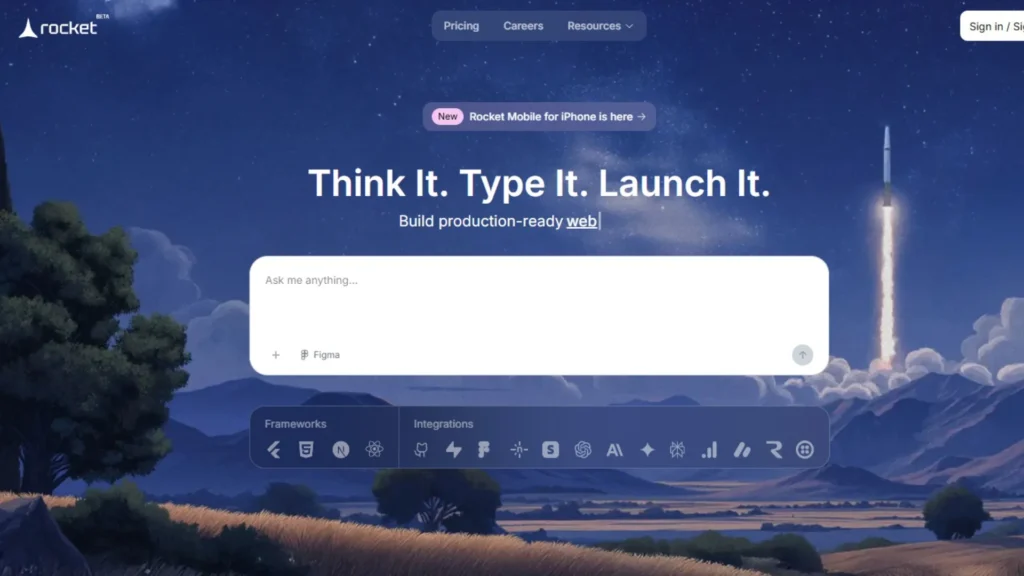
Rocket is designed for breadth and “one-shot” efficiency, acting as a rapid engine for the builder who needs a high-quality product live in minutes across every device.
- Multi-Platform Sync: One prompt can simultaneously generate a web app (React) and native mobile apps (Flutter for iOS/Android).
- Visual-First Iteration: Uses a “Visual Edit” tool that allows founders to click and modify UI elements without touching code.
- Rapid Deployment: Automates the entire cloud provisioning process, pushing live to Netlify or Vercel with zero manual configuration.
Imagine.bo
Imagine.bo is built with a “Founder-First” mentality, functioning as a high-level engineering partner that ensures your app functions like it was built by a $100k engineering team.
- Technical Debt Elimination: Every line of code follows Software Development Engineer (SDE) standards, ensuring it is clean, scalable, and professional.
- Architectural Reasoning: Before writing code, the AI analyzes business goals and maps user flows to recommend a logical tech stack.
- Scaling Safety Net: Designed for users who cannot afford architectural failures, treating the application as a permanent digital asset.
2026 Platform Benchmarks: The Technical Deep Dive
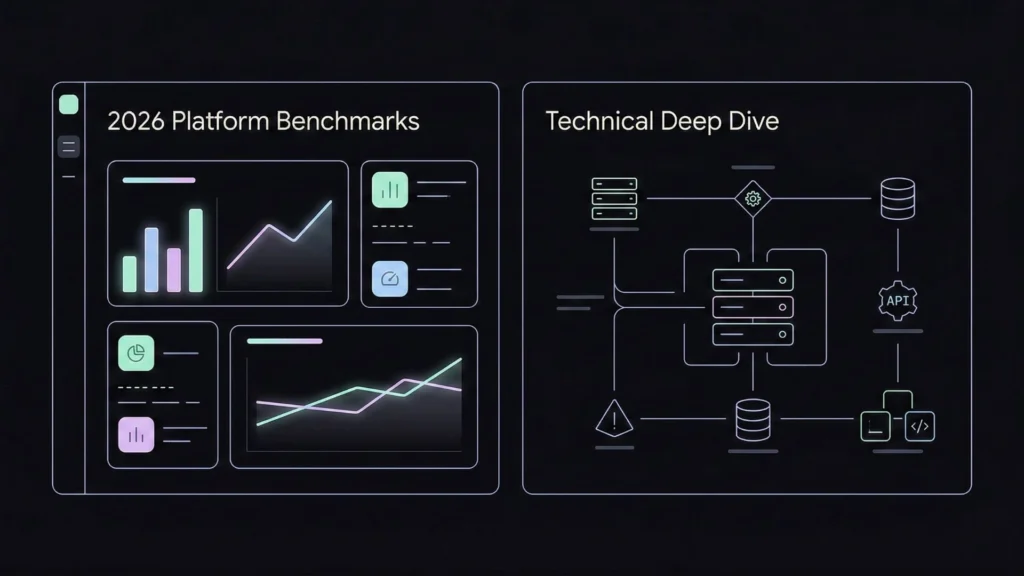
To choose the right tool, you must understand the underlying performance metrics and the specific technological outputs provided by each platform.
| Feature | Rocket.new | Imagine.bo |
| Primary Focus | Speed & Multi-platform | Revenue-Ready Production |
| Output Type | Web, Native Mobile (Flutter) | Scalable Web Apps & Portals |
| Performance | High-speed, responsive | 1,000 transactions/second guarantee |
| AI Quality | Predictive Prompting | Deep Reasoning AI |
| Support Model | Community & Tickets | Human + SDE AI Support |
| Scaling | Code Export to GitHub | Built-in Enterprise Scalability |
| Infrastructure | Edge-based (Netlify/Vercel) | Cloud-Native (GCP/Vercel/Railway) |
| SEO Optimization | High (SSR Defaults) | Maximum (Custom Meta Logic) |
Rocket.new
Rocket.new focuses on the “Vibe-to-Reality” pipeline, making it the best choice for designers and marketers who need to validate ideas instantly.
- Pattern Matching: Excellent at recognizing standard app patterns like “Habit Trackers” or “CRMs” and generating them instantly.
- Zero-Config Folder Structure: Automatically manages complex file directories for both web and mobile repositories.
Imagine.bo
Imagine.bo prioritizes the structural integrity of the application, ensuring that the backend logic is as robust as the frontend interface.
- Deep Reasoning Engine: Analyzes the “Why” behind your prompt to prevent logical contradictions in the database schema.
- Enterprise Protocols: Uses cloud-native protocols by default, ensuring the app remains lightning-fast even during viral traffic spikes.
Engineering Intelligence: Predictive Patterning vs. Deep Reasoning
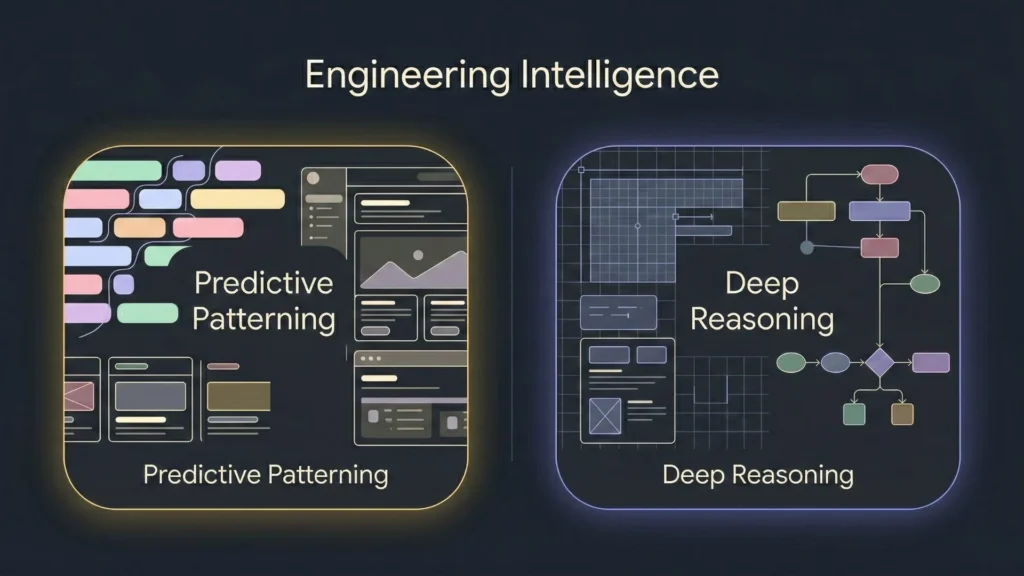
Both platforms use AI, but the way they process your prompts defines the quality of the final product.
Rocket.new
Rocket uses predictive prompting to interpret intent across layers of structure and output. It is excellent at “pattern matching” understanding what a landing page or CRM dashboard should look like and generating the necessary boilerplate in seconds.
- S.I.M.P.L.E. Framework: Uses a specific checklist to ensure prompts remain focused and easy for the AI to debug.
- Smart Suggestions: Analyzes existing project context to suggest the next logical features to build.
- Automatic “Fix It”: Detects and repairs code errors in real-time during the generation process.
Imagine.bo
Imagine.bo employs a dedicated “Plan Mode” for architectural reasoning. Before a single credit is spent on execution, the AI acts as a Senior Tech Partner, asking clarifying questions to understand business constraints.
- Blueprint Audits: Generates a structured “AI-Generated Blueprint” that includes data models and API endpoints for review before deployment.
- Contextual Memory: A “Custom Knowledge” tab allows founders to upload user personas, brand guidelines, and specific logic conventions the AI remembers forever.
- Actor-Based Prompting: Requires defining the “Actor” and “Edge Behaviors” to ensure the logic handles permissions (e.g., “Only admins can delete”) correctly from day one.
Performance & Scalability: The 1,000 TPS Standard
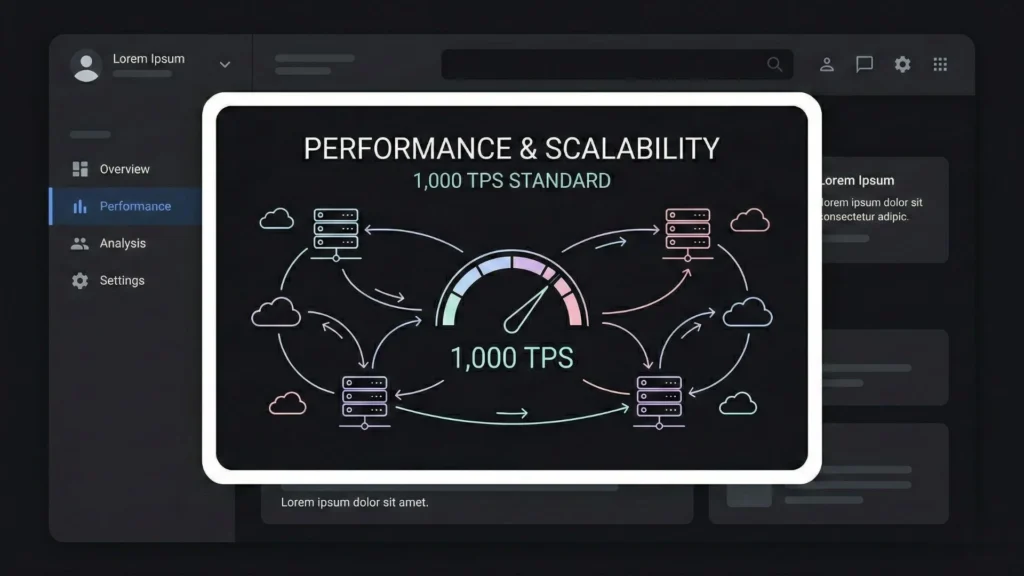
In 2026, an app that crashes under traffic is a liability. Imagine.bo and Rocket.new take different approaches to ensuring your app stays alive.
Rocket.new
Rocket builds on modern stacks (React, Flutter) that are inherently scalable, and its one-click deployment to Netlify or Vercel provides global edge caching. It is ideal for rapid growth where you may eventually need to export code to a dedicated engineering team.
- GitHub Integration: Allows paid users to sync their project to a private repo for external version control.
- Environment Control: Directly manage API keys and
.envfiles within the Rocket interface for secure integrations. - Mobile Build Downloads: Generates installable APK files (and IPAs coming soon) for direct device testing.
Imagine.bo
Imagine.bo is built on enterprise-grade GCP (Google Cloud Platform) infrastructure, abstracting away DevOps complexity. It offers a standard benchmark of 1,000 Transactions Per Second (TPS) for all production apps.
- Railway & Vercel Backbone: Backend services are powered by Railway (standard) for automatic scaling during traffic spikes.
- RBAC by Default: Enterprise-grade Role-Based Access Control is baked into the architecture, not added as a feature later.
- SEO-Ready Rendering: Public-facing pages are rendered specifically for search engine visibility from the first deployment.
Security Architecture: Shared Responsibility vs. Security-by-Design
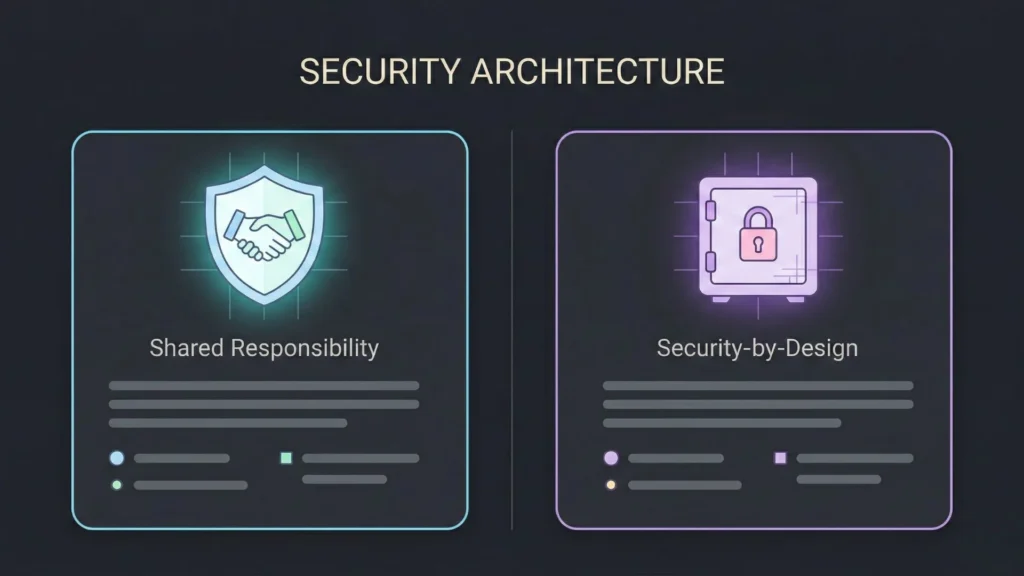
Security in 2026 isn’t just about encryption; it’s about the integrity of the logic that governs your user’s data.
Rocket.new
Rocket provides high-reliability security for standard startups by handling the heavy lifting of secure credential storage and automated authentication. It is an excellent choice for MVPs that need to reach the market quickly while maintaining professional standards.
- Supabase Integration: Native connection to Supabase provides a real database, secure file storage, and user authentication with zero setup.
- API Management: Import API definitions from Postman or Swagger to ensure all external data calls follow strict header and auth rules.
- Granular Project Visibility: Paid users can toggle projects between Public and Private to keep sensitive work-in-progress hidden.
Imagine.bo
Imagine.bo treats security as a non-negotiable engineering foundation. It uses an “Architecture-First” approach where data schemas are audited for structural leaks before the app is even live.
- Compliance Ready: The platform architecture is designed to be GDPR and SOC 2 ready by default.
- Managed OAuth: Offers “Managed Google Auth” where Imagine.bo handles the OAuth client and credentials, reducing the risk of custom auth leaks.
- Custom Domain SPF/DKIM: Automatically configures DNS records (SPF, DKIM, DMARC) for custom email domains to protect brand reputation.
Operational Costs: Token Credits vs. Reasoning Credits
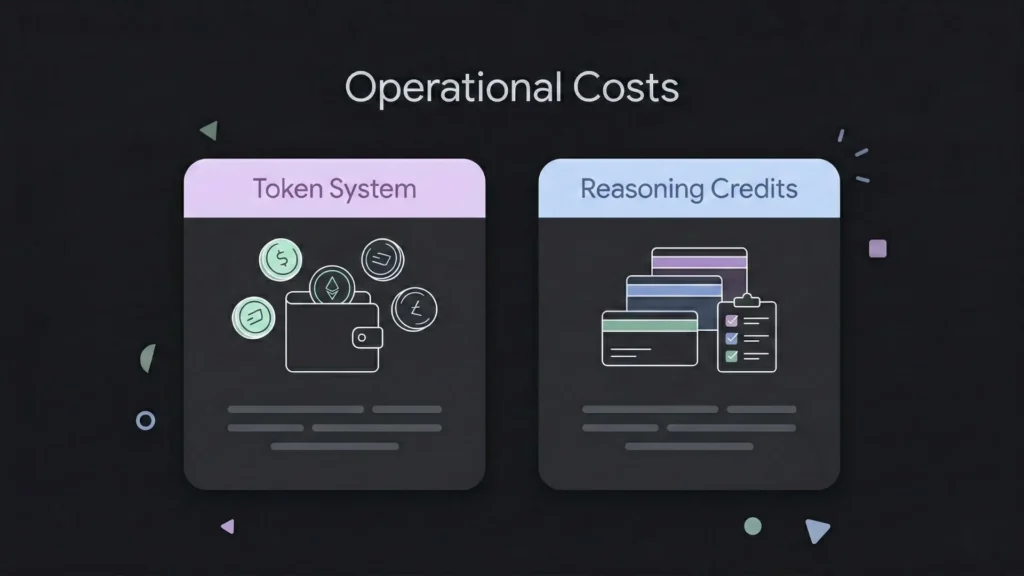
Building with AI requires a new kind of currency. Understanding how these platforms bill is essential for project budgeting.
Rocket.new (Token System)
Rocket uses a “Token” system where every generation from a landing page to a complex CRM consumes a specific number of tokens.
- Subscription Power: Plans range from “Starter” (1M one-time tokens) to “Booster” (22M tokens/month).
- Refuel Option: One-time token packs (5M for $20) are available for months with high usage.
- Rollover: Unused monthly subscription tokens roll over to the next month on all paid plans.
Imagine.bo (Credit System)
Imagine.bo operates on “Credits,” where actions like generating a new page or modifying a database schema have fixed costs.
- Tiered Capacity: The “Pro” plan (150 credits) can build 40–60 simple pages or one robust multi-page app with auth and forms.
- Credit Rollover: Credits never expire on paid plans as long as the subscription is active, allowing for “development sprints”.
- Human Handoff: Paid plans offer significant discounts (e.g., 20% off for Lite plan) on “Hire a Human” SDE tasks.
Pricing Structure: Credits vs. Tokens
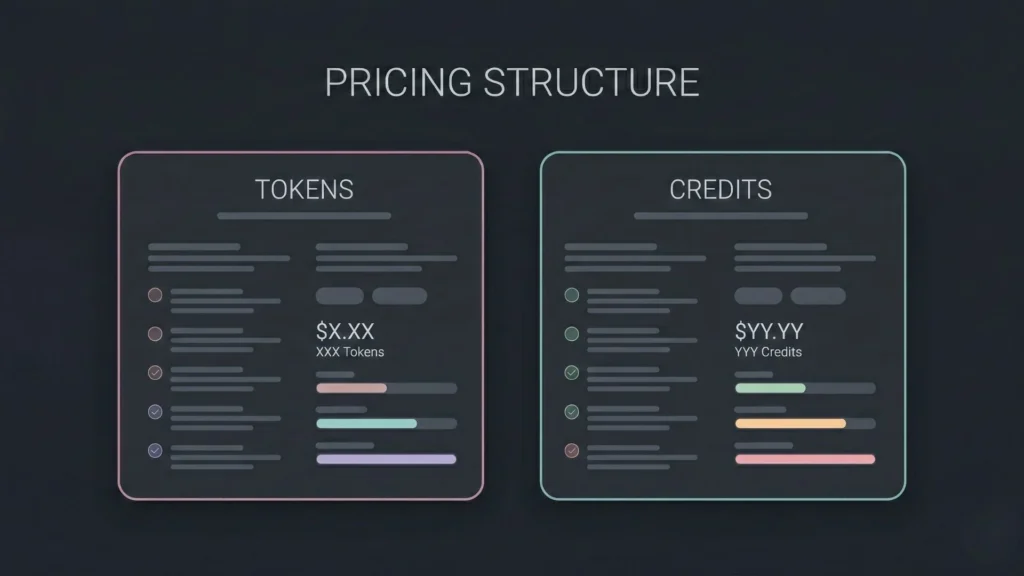
A quick glance at the entry-level and professional tiers for both builders.
| Plan Tier | Rocket.new Pricing | Imagine.bo Pricing |
| Free/Starter | $0 (1M one-time tokens) | $0 (10 credits/mo) |
| Entry Paid | $25/mo (“Personal” – 5M tokens) | $9/mo (“Lite” – 60 credits) |
| Professional | $50/mo (“Rocket” – 10.5M tokens) | $25/mo (“Pro” – 150 credits) |
| Enterprise | $100/mo (“Booster” – 22M tokens) | $499 Fully Done For You Service |
Rocket.new
Rocket uses a high-volume token system where every message and generation consumes part of your monthly balance.
- Booster Plan: Aimed at high-volume users and teams building complex, multi-screen SaaS systems.
- Flexible Refuels: Users can buy one-time token packs if they hit a usage spike midway through a project.
Imagine.bo
Imagine.bo uses a credit-based system where credits are spent on discrete actions like adding pages or modifying database schemas.
- Lite & Pro Options: Extremely affordable entry points for founders who want to build a professional app on a budget.
- Enterprise Tier: Includes massive credit limits and priority access to the human engineering team for rapid scaling.
The Safety Net: Human-in-the-Loop vs. Code Export
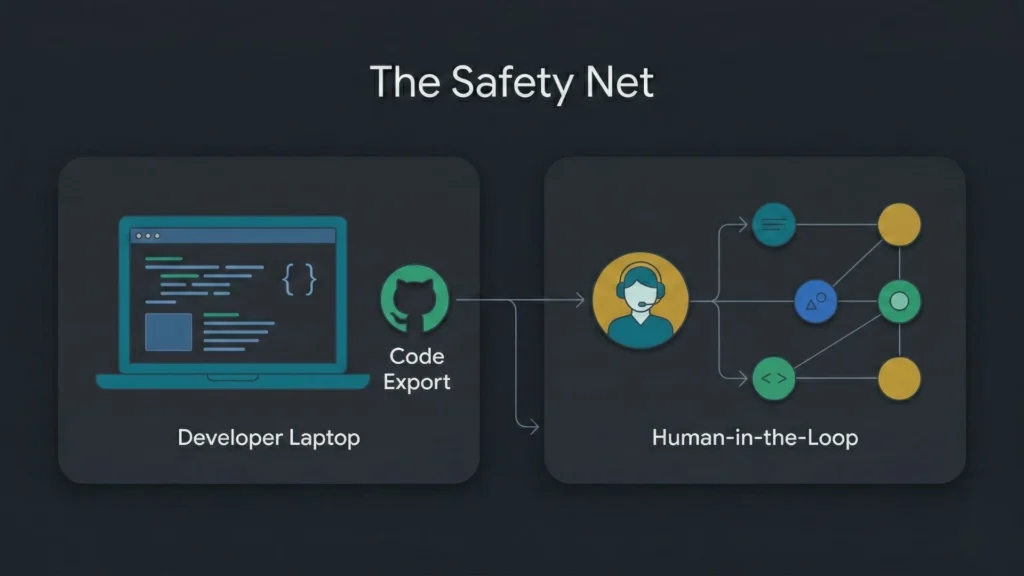
The ultimate test of an AI builder is what happens when the AI gets stuck.
Rocket.new
Rocket encourages a “Code Ownership” model. If the AI cannot handle a specific logic request, you are encouraged to use the “Code View” to make manual edits or export the project to GitHub for an external developer to handle.
- Live Build Logs: Monitor the app’s build process in real-time to debug deployment issues.
- Manual Reverts: If a generation goes wrong, you can “Rollback” to any previous version in the chat history.
Imagine.bo
Imagine.bo provides a built-in safety net called “Hire a Human”. If a task is too complex like a localized payment gateway or a custom algorithm you can assign it to a vetted Imagine.bo engineer directly from your dashboard.
- Guaranteed Delivery: The engineer writes the custom code and pushes it directly to your project’s repository, ensuring the project never stalls.
- Priority Support: Enterprise users get a guaranteed 12-hour turnaround for SDE support tasks.
The Final Verdict: Why Imagine.bo Claims the 2026 Crown
While Rocket.new is the undisputed champion for rapid cross-platform prototyping and “one-shot” mobile development , Imagine.bo is the superior choice for founders building a permanent business fortress.
Choose Imagine.bo if your success depends on:
- Revenue-Grade Logic: You need a Senior Tech Partner that reasons through your business flows before building.
- Performance Guarantees: You cannot afford for your app to slow down at 1,000 transactions per second.
- No Dead Ends: You want the assurance that a real human engineer can step in the moment the AI hits a technical ceiling.
Related Articles
- Build 10 Awesome AI Apps with No Code: The Ultimate Beginner’s Guide
- AI Website Builder for Handmade Products: Craft Your Digital Shop Without Code
- 10 Game-Changing Benefits of Prompt-to-App Development for Rapid Innovation
- AI Website Builder for Contractors: Build a Professional Site Without Code
- AI Website Builder for Selling Products
Launch Your App Today
Ready to launch? Skip the tech stress. Describe, Build, Launch in three simple steps.
Build