
By 2026, building an app is no longer the hard part. Almost anyone can create screens, connect buttons, and launch something that looks like a product. The real challenge starts after launch: when users arrive, data grows, payments fail, performance slows, or security questions appear.
This is where the difference between Imagine.bo and Adalo becomes clear.
Launch Your App Today
Ready to launch? Skip the tech stress. Describe, Build, Launch in three simple steps.
BuildWhile both platforms fall under the “no-code” label, they are built for very different moments in a product’s life. One is designed to help you start. The other is designed to help you survive and grow.
This article looks at Imagine.bo and Adalo not as feature lists, but as two philosophies of building software.
This Imagine.bo vs Adalo breakdown focuses on how each platform behaves once real users, real data, and real revenue are involved.
Have You Asked Yourself
Which tool is easier to use?
What happens to my app after people actually start using it?
What happens to my app when more users sign up ?
What happens to my app when payments and permissions become complex ?
What happens to my app when data volume increases ?
What to do when something breaks and you don’t know why ?
Imagine.bo vs Adalo: Visual Simplicity vs Production Thinking
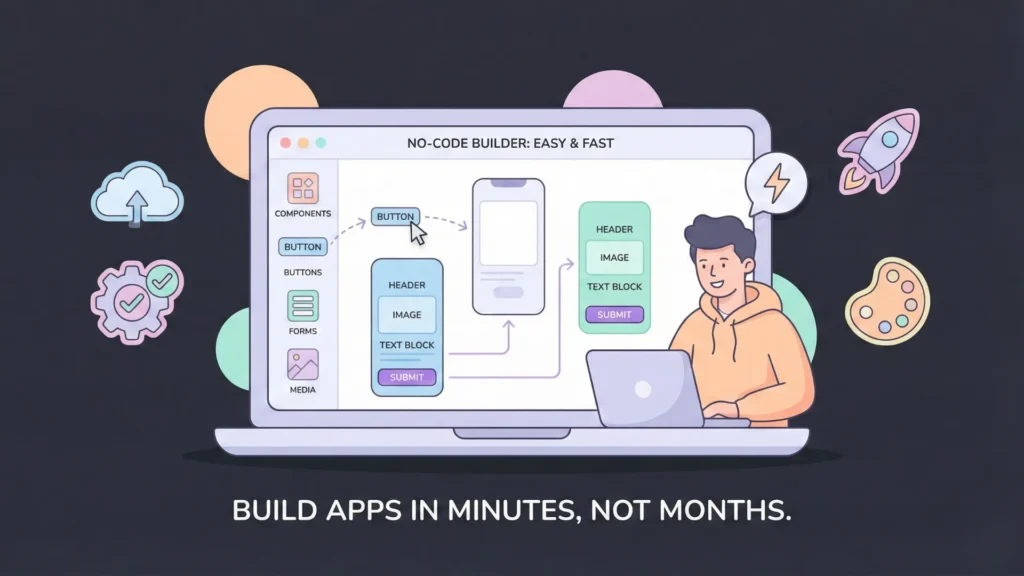
Adalo was created to make app building approachable. Its main strength is immediacy.You open the builder, drag components onto a screen, connect a few actions, and suddenly you have a working mobile app. For many first-time builders, that moment feels powerful.
Adalo works best when:
- The app is small
- Logic is simple
- Users are limited
- The goal is testing an idea or learning no-code
It is especially popular for:
- Early MVPs
- Demo apps
- Simple internal tools
- Solo projects
Adalo removes fear from app building. That is its biggest win.
Imagine.bo’s World: Production Thinking From Day One
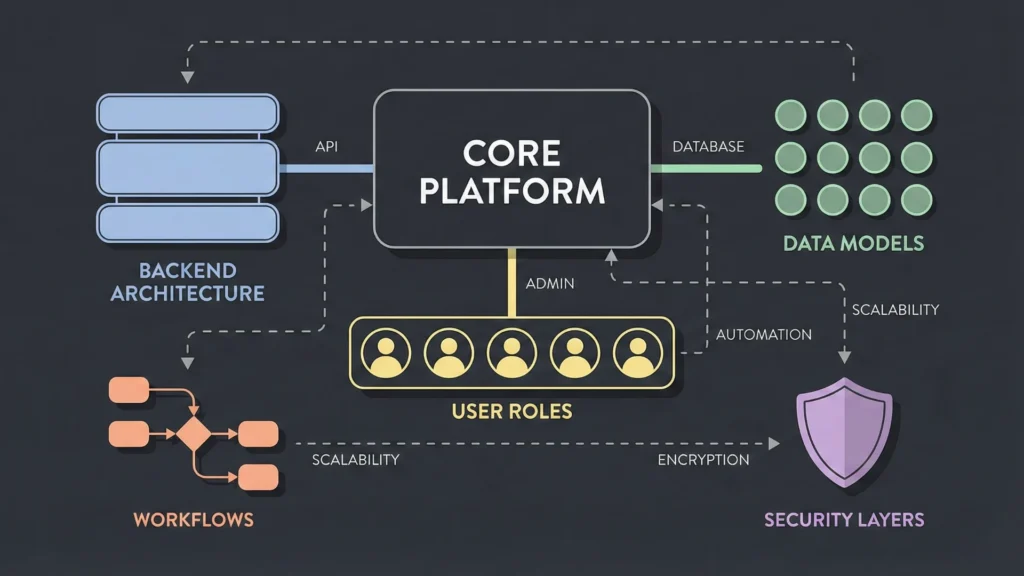
Imagine.bo starts from a very different assumption.
It assumes that:
- Your app may need to scale
- Your data may be sensitive
- Your logic may get complicated
- Your product may become a business
Instead of asking you to design screens first, Imagine.bo asks about:
- What the product does
- Who the users are
- How data should flow
- What must stay secure
- How the system should behave under pressure
The platform then builds the app as a system, not just a collection of screens.
Why the “Screen-First” vs “System-First” Difference Matters
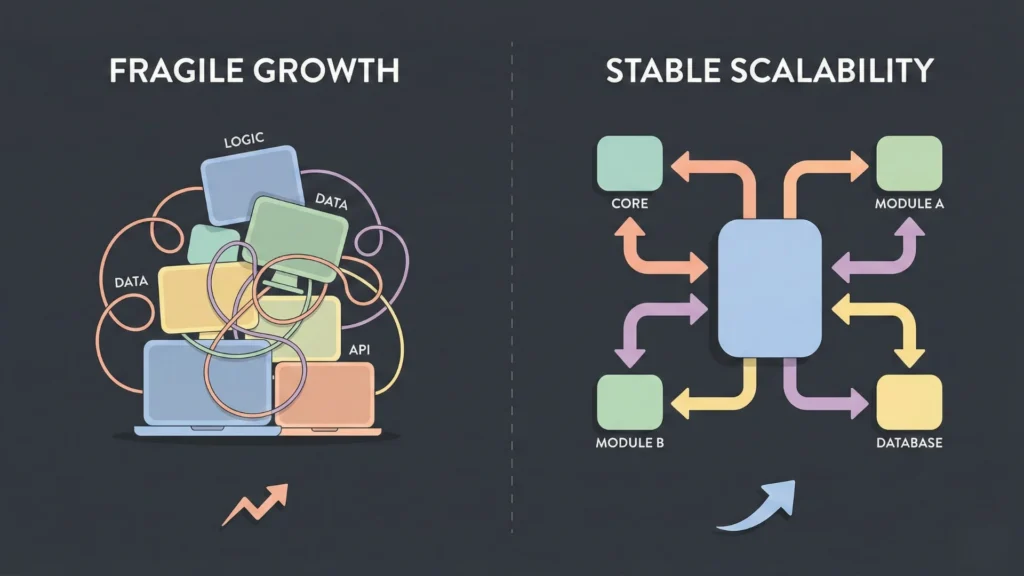
Adalo builds apps from the outside in. Imagine.bo builds apps from the inside out. This sounds subtle, but it changes everything once you try to scale no-code AI apps to production.
This sounds subtle, but it changes everything.
With Adalo
- Logic is often attached to screens
- Data decisions happen as you go
- Architecture emerges gradually
- Fixes are often local, not global
This works early on, but becomes fragile as the app grows.
With Imagine.bo
- Architecture is planned first
- Data relationships are intentional
- Logic is centralized and consistent
- Changes are safer and easier to manage
This is closer to how experienced engineers build production systems.
Speed: Starting Fast vs Staying Fast
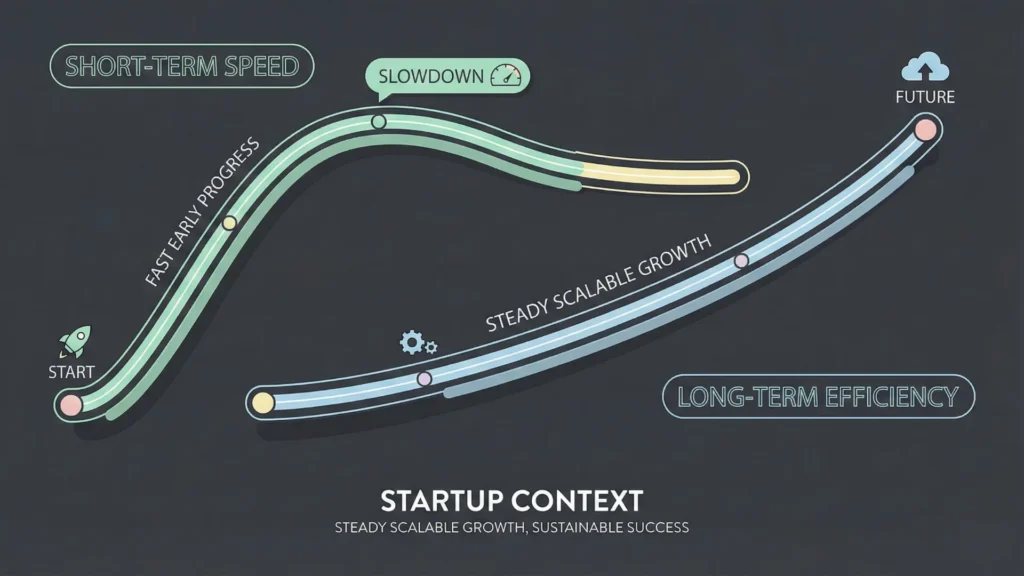
Adalo feels fast at the beginning; you can build something usable in a weekend. However, many users notice a slowdown later when adding features requires complex workarounds or performance drops as the database fills up.
Imagine.bo may feel slightly more structured at the start, but it prevents the “rebuild wall.” By establishing a solid foundation, you avoid the common mistakes in no-code development that usually lead to total rewrites six months down the line.
But many users notice a slowdown later:
- Adding features requires workarounds
- Performance drops as data grows
- Debugging becomes trial and error
- Fixing one thing breaks another
Imagine.bo may feel slightly more structured at the start, but it saves time later:
- Fewer rebuilds
- Less rework
- Clearer logic
- Faster iteration once the foundation is in place
In real projects, Imagine.bo often ends up being faster overall, even if the first day feels more guided.
Design: Freedom vs Consistency
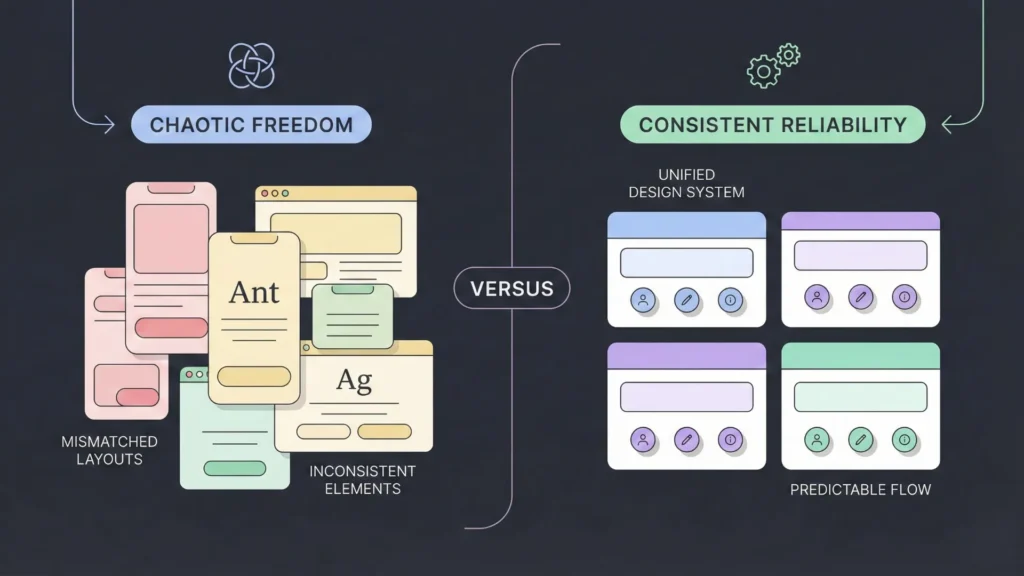
Adalo gives you visual freedom. You can move things around easily and customize layouts quickly. This is great for experimentation and mobile-first ideas.
However, large Adalo apps often suffer from:
- Inconsistent UI
- Repeated logic across screens
- Design drift over time
Imagine.bo limits some visual freedom on purpose. Instead, it:
- Applies consistent design patterns
- Prioritizes usability over decoration
- Ensures layouts work across devices
This makes apps feel more “boring” at first, but more reliable and professional in real use.
Backend Reality: Where Most Apps Struggle
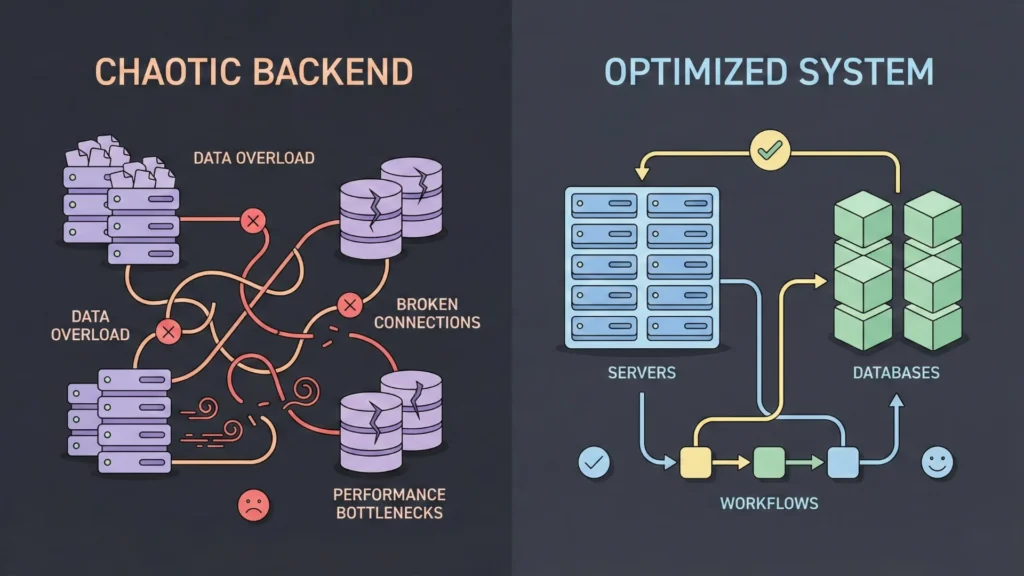
Many founders discover platform limits only after traction begins. With Adalo, performance often degrades as data grows, which can be a dealbreaker for a scalable cafe management system or a growing SaaS.
Imagine.bo apps are built to handle growth from day one. High concurrency is expected, and scaling doesn’t require a rewrite. This is the difference between a tool for hobbyists and a platform for founders building SaaS products with AI and no-code.
Adalo’s Backend Experience
Adalo includes a basic database and simple logic tools. For small apps, this is enough.
As complexity increases:
- Data relationships become harder to manage
- Performance issues appear
- Advanced permissions are difficult to enforce
- External tools are often required
Many teams end up stitching together APIs, automation tools, and custom fixes.
Imagine.bo’s Backend Approach
Imagine.bo treats backend logic as the core of the product.
It:
- Designs data models upfront
- Applies secure access rules automatically
- Handles complex workflows cleanly
- Prevents common mistakes before they happen
The result is fewer surprises when the app grows.
Security: Optional vs Built-In
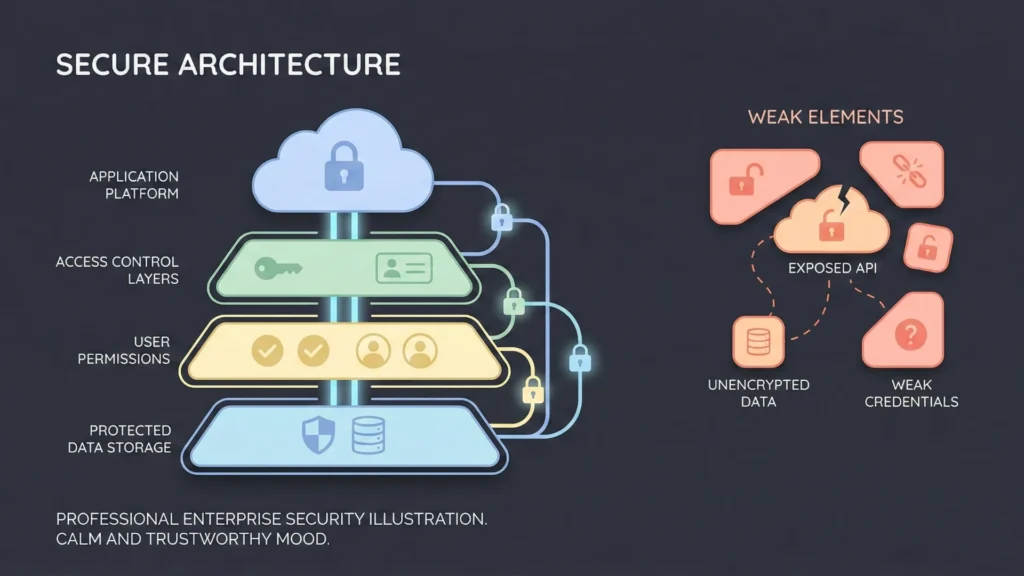
Adalo offers basic security features such as authentication and user roles. These are fine for non-sensitive apps.
However:
- Security depends heavily on user setup
- Complex access rules are hard to reason about
- Sensitive data requires extra care and tooling
Imagine.bo approaches security differently:
- Access rules are designed as part of the system
- Data exposure is restricted by default
- Compliance-ready patterns are used automatically
- Human review is available for high-risk logic
This matters a lot once money, personal data, or business-critical workflows are involved.
Performance and Scale: The Moment of Truth
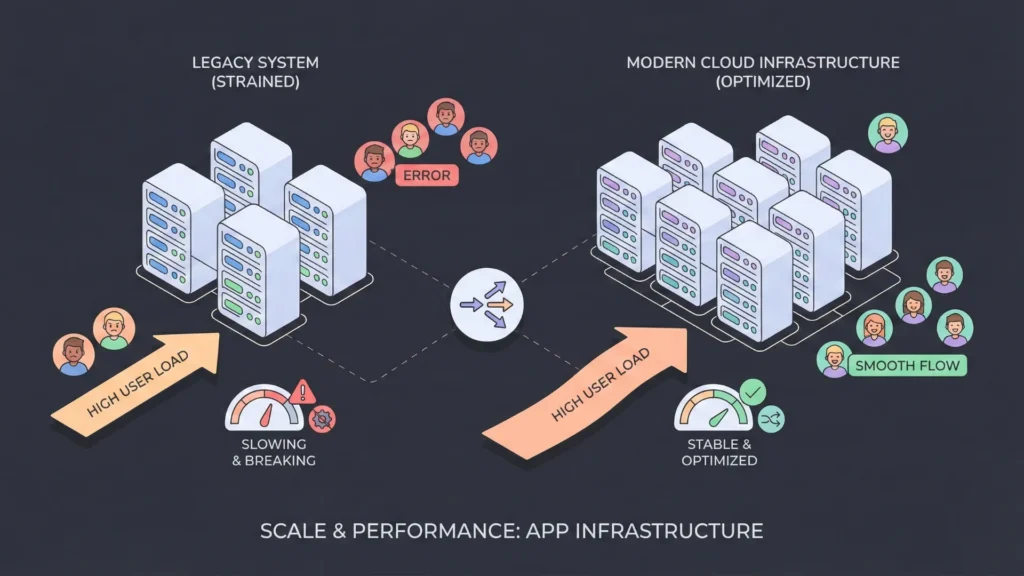
Many founders discover platform limits only after traction begins.
With Adalo:
- Apps work well with small user bases
- Performance degrades as data grows
- Public-facing scale exposes bottlenecks
- Rebuilding becomes a real possibility
With Imagine.bo:
- Apps are built to handle growth from day one
- Backend performance is optimized
- High concurrency is expected, not surprising
- Scaling does not require a rewrite
This difference often determines whether a startup keeps moving or stalls.
The “Last 20%” That Decides Success
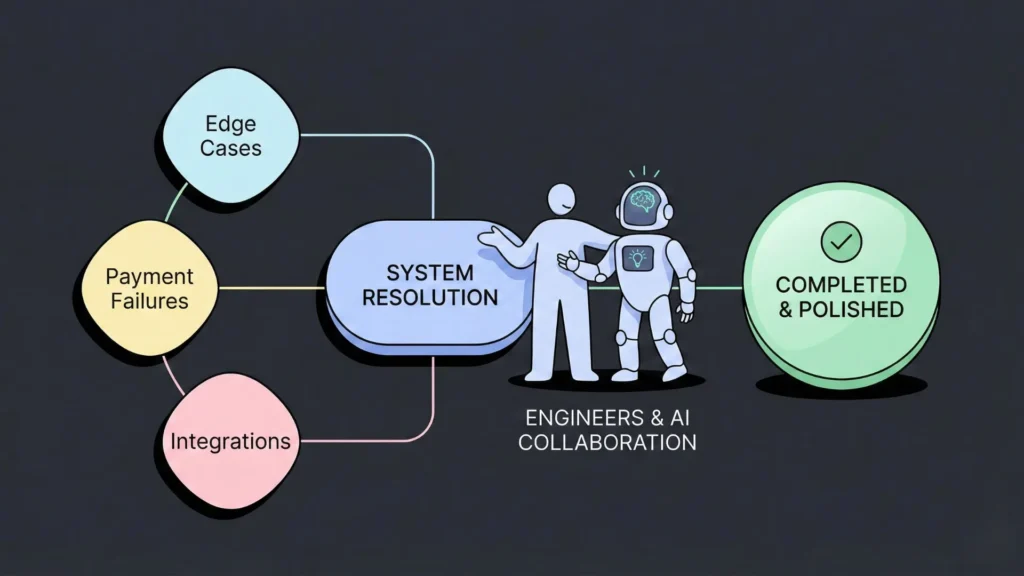
The hardest part of building software is not the first version. It is the final stretch:
- Edge cases
- Payment failures
- Permission bugs
- Integration issues
- Unexpected user behavior
Adalo users often handle this by:
- Adding workarounds
- Simplifying requirements
- Accepting limitations
- Or hiring developers to fix things externally
Imagine.bo addresses this phase directly:
- The system understands business intent
- Changes are evaluated globally, not locally
- Human engineers step in when AI reaches limits
- The goal is completion, not just generation
This is a major reason why Imagine.bo appeals to founders building serious products.
Cost Over Time: What Actually Gets Expensive
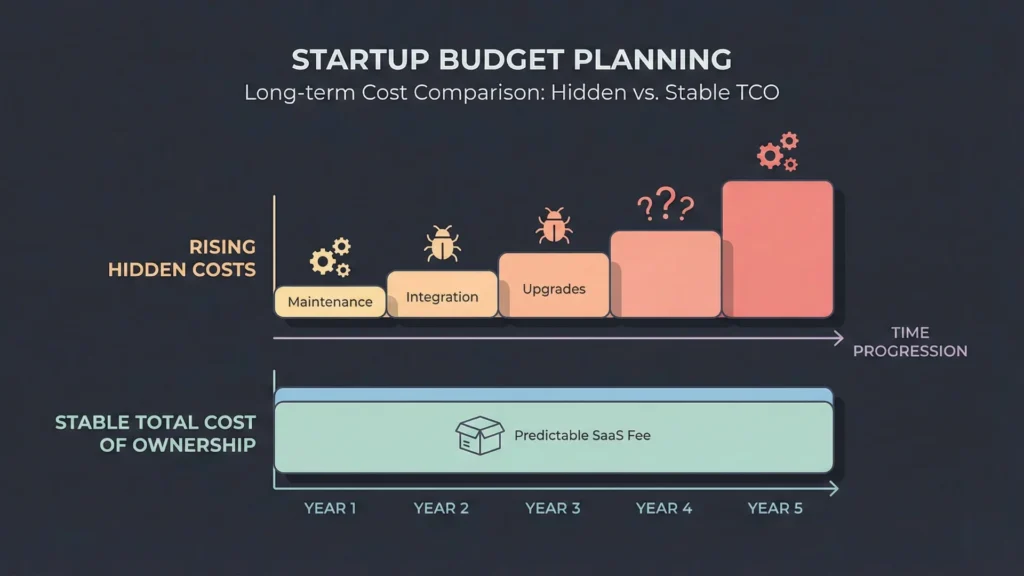
Adalo’s pricing looks friendly early on. But costs often rise indirectly:
- Time spent debugging
- External tools and services
- Developer help for complex issues
- Rebuilds when limits are reached
Imagine.bo focuses on reducing total cost of ownership, not just monthly fees:
- Fewer rebuilds
- Less external help
- Less wasted time
- Lower long-term risk
For many teams, this matters more than the initial subscription price.
When Adalo Is the Right Choice
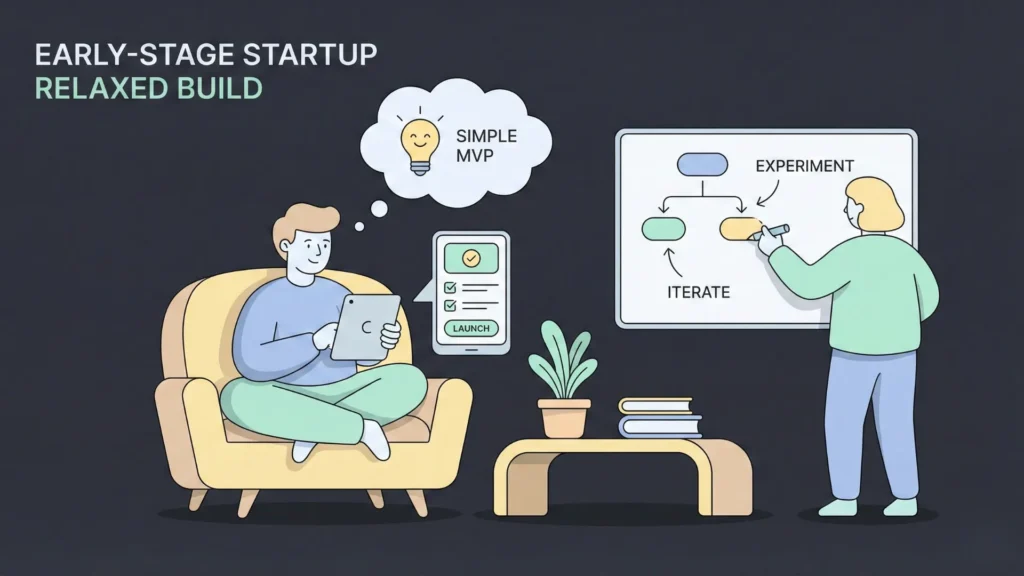
Adalo makes sense if:
- You are learning no-code
- You want to validate an idea quickly
- Your app is simple and small
- You are building a personal or demo project
- Scale and complexity are not priorities
It is a good starting tool.
When Imagine.bo Is the Better Choice
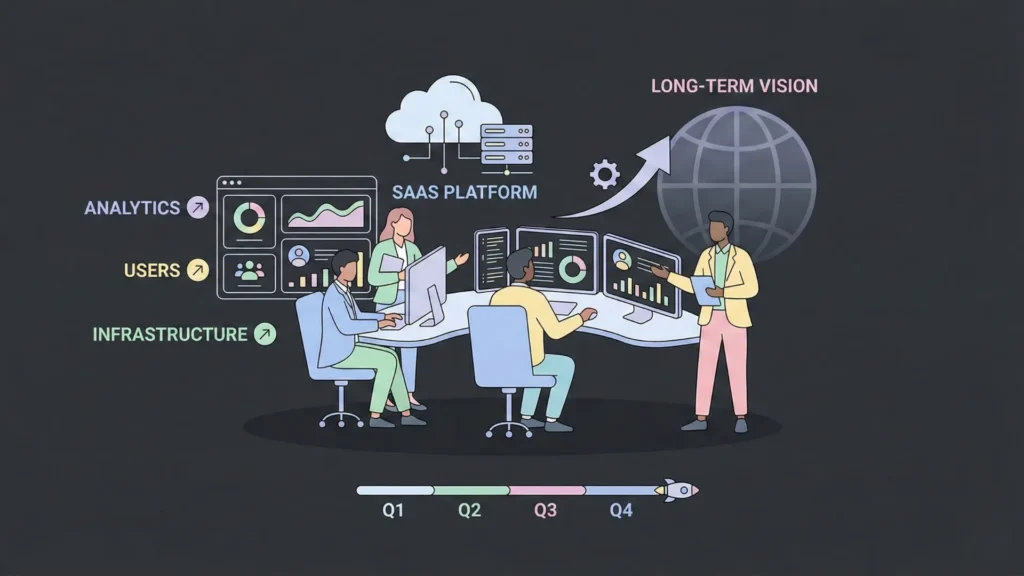
Imagine.bo is the better fit if:
- You are building a SaaS or platform
- Your app handles real users and real data
- You care about performance and security
- You want to avoid rebuilding later
- You are thinking like a business owner, not a hobbyist
It is built for longevity.
Final Perspective: Tools Reflect Intent
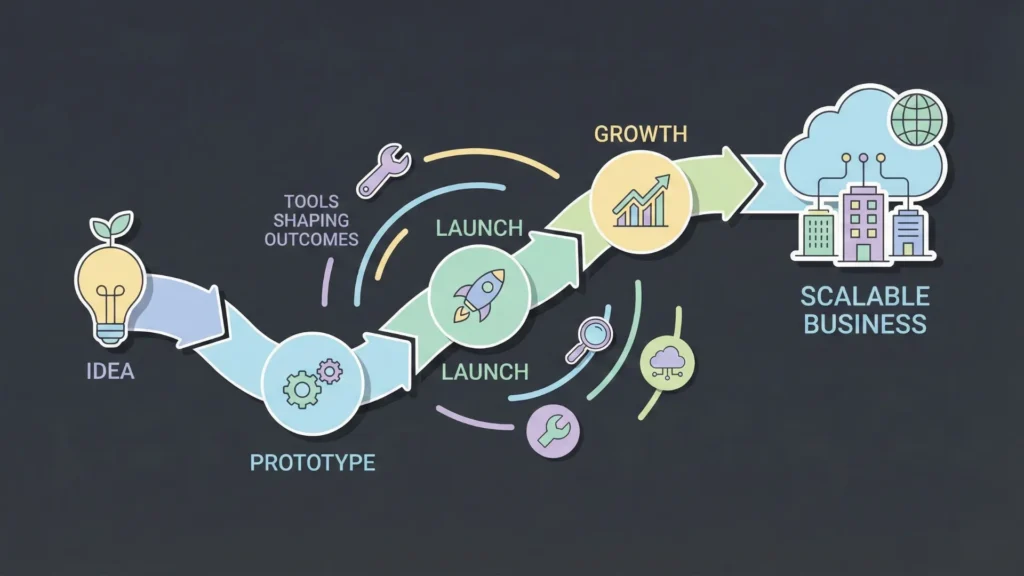
Adalo and Imagine.bo are not enemies. They serve different purposes.Adalo helps people start. Imagine.bo helps people finish and scale. In 2026, the biggest risk is not failing to build an app. It is building something that cannot grow. If you want to explore ideas, Adalo is a friendly entry point. If you want to build something that can support a real business, Imagine.bo is the more future-ready choice.
Ultimately, Imagine.bo vs Adalo comes down to whether you are experimenting with an idea or building something meant to last.
Launch Your App Today
Ready to launch? Skip the tech stress. Describe, Build, Launch in three simple steps.
Build