

No-code tools simplify app development, but they also introduce new challenges for GDPR Compliance in No-Code Tools. Navigating data protection rules within these platforms requires careful attention to consent management, data mapping, and secure storage. For organizations using no-code solutions, ensuring GDPR compliance means integrating privacy measures directly into the app’s design and processes. Emphasizing GDPR Compliance in No-Code Tools is crucial for long-term success.
These tools often rely on third-party services, making vendor compliance crucial to avoid breaches. Automated compliance verification and ongoing monitoring help maintain adherence to GDPR’s principles, such as purpose limitation and data minimization. As no-code platforms evolve, staying audit-ready with real-time updates becomes essential.
Launch Your App Today
Ready to launch? Skip the tech stress. Describe, Build, Launch in three simple steps.
BuildBy understanding the specific GDPR requirements and leveraging available compliance features in no-code environments, businesses can build secure, user-respecting applications without extensive coding. This approach supports both innovation and legal responsibility in data protection.
Understanding GDPR Requirements

The GDPR sets specific rules for collecting, processing, and storing personal data to protect individuals in the EU. Compliance involves key principles that guide data handling, recognition of user rights regarding their data, and understanding the roles and responsibilities of those managing this data.
Key Principles of GDPR
GDPR establishes several core principles including lawfulness, fairness, and transparency, which require organizations to clearly explain why and how personal data is processed.
- Purpose limitation means data must only be collected for specified and legitimate purposes.
- Data minimization requires collecting only what is necessary for those purposes.
- Accuracy is critical; data must be kept up to date and corrected if incorrect.
- Storage limitation restricts holding personal data longer than needed.
Additionally, organizations must ensure integrity and confidentiality by adopting technical and organizational measures to protect data from unauthorized access or loss.
User Data Rights
Under GDPR, individuals have several rights concerning their personal data. They have the right to access their data, allowing them to know what information is held. They can also request correction of inaccurate data.
The right to data deletion (the “right to be forgotten”) allows users to demand their data be erased when it is no longer necessary or if consent is withdrawn. Users can also object to data processing or restrict how their data is used, especially for marketing. Finally, GDPR requires explicit consent from users for data collection, which must be freely given, specific, informed, and unambiguous.
Responsibilities of Data Controllers and Processors
Data controllers determine the purposes and means of processing personal data, making them primarily responsible for GDPR compliance. They must implement policies ensuring all processing aligns with GDPR principles and proper governance for citizen developer platforms.
Data processors handle data on behalf of controllers. They must follow instructions given by controllers and maintain security standards. Both roles require maintaining records of data activities, reporting breaches within 72 hours, and conducting regular data protection impact assessments when necessary.
Overview of No-Code Tools and Platforms

No-code tools enable users to build software without programming, streamlining development for various projects. These platforms target different user types, from solo makers creating minimum viable products (MVPs) to agencies managing client projects. Understanding their features and distinctions helps organizations choose the right tool.
What Are No-Code Tools
No-code tools provide visual interfaces that allow users to build apps, websites, or workflows by dragging and dropping components. They require no coding knowledge, making software development accessible to non-technical founders, small agencies, and individuals.
These platforms simplify tasks like database integration, UI design, and automation. They are especially valuable for rapid prototyping, MVP creation, and small-scale client projects where fast deployment is essential without relying on extensive development teams.
Popular No-Code Platforms
Popular no-code platforms include Imagine.bo, Webflow, Bubble, and Airtable. Imagine.bo focuses on allowing solo makers and founders to quickly design and launch products. Webflow suits agencies needing custom websites with detailed design controls. Bubble offers complex app-building capabilities that support user authentication and workflows, useful for MVPs. Airtable combines spreadsheet functions with database features, ideal for managing client projects and internal processes with low overhead.
No-Code vs. Low-Code Solutions
No-code platforms target users with no programming experience by offering fully visual development environments. Low-code solutions, however, provide a mix of visual tools and traditional coding for advanced customization and scalability.
Low-code is often preferred by agencies with technical teams or founders who want more control over app behavior. No-code is ideal for rapid development and reduced dependency on developers, enabling faster iteration on MVPs and simpler client deliverables. Both must consider data privacy compliance, particularly in data handling and user privacy.
Why GDPR Compliance Matters in No-Code Development

No-code development platforms like Imagine.bo simplify app creation but still require strict adherence to GDPR rules. Ensuring compliance affects legal standing, company reputation, and how users perceive data handling.
Legal Obligations
GDPR applies to any platform processing personal data of EU citizens, including no-code tools. Developers and organizations must implement data protection by design, meaning privacy measures must be integrated from the start.
Failure to comply can lead to significant fines, which may reach millions of euros or 4% of global annual turnover. No-code developers must also maintain records of processing activities and respond promptly to data access or deletion requests. For Imagine.bo users, this means carefully configuring data flows and integrations to meet GDPR’s detailed requirements.
Business Reputation
Non-compliance damages brand reputation, especially as data privacy becomes central to consumer expectations. Companies building a SaaS with AI use no-code solutions risk public backlash if users’ data is mishandled or breached. Demonstrating GDPR compliance signals responsibility and professionalism. It can be a competitive advantage, distinguishing a product or service in saturated markets.
User Trust and Transparency
GDPR emphasizes giving individuals control over their data—including clear information on how it is used. No-code platforms must enable transparent communication and easy data management for end users. Trust increases when users know their rights are respected and can easily opt out or request data deletion.
Core GDPR Features in No-Code Platforms

No-code platforms must implement specific features to handle user data lawfully and securely. These include managing how data is stored and processed, ensuring consent is obtained and tracked, allowing users to access their data, and enabling data deletion upon request.
Data Storage and Processing
No-code tools must enforce strict controls on data storage locations and processing practices. This includes limiting data storage to GDPR-compliant servers and ensuring data is encrypted both at rest and in transit. Data retention policies should be configurable so that data is held only as long as necessary.
User Consent Management
Effective consent management is critical to GDPR compliance in no-code applications. Platforms should support explicit consent capture, logging when and how consent was granted. This includes integrating customizable consent banners or forms that clearly describe the data collected and its purpose.
Data Access and Portability
No-code platforms should allow users to access their personal data in a structured, commonly used format. Implementing feature flags for user control and role-based access ensures that only authorized personnel can view or modify user data during this process.
Right to be Forgotten
Compliance requires the ability to fully delete user data upon request. No-code tools must support complete data erasure from databases, backups, and logs. This process must be thorough and permanent, not merely making data inaccessible but physically removing it where feasible.
Security Standards and Best Practices

No-code platforms require rigorous security protocols to meet GDPR compliance. Key elements include establishing foundational security measures and maintaining ongoing vulnerability management to prevent breaches.
Default Security Measures
No-code tools should implement strong security checks by default to safeguard user data. This includes role-based access control, two-factor authentication (2FA), and automated logging of user activities. Adopting no-code app security best practices helps track data access and ensures only authorized personnel interact with sensitive information.
Encryption and Secure Infrastructure
Encryption is mandatory for data at rest and in transit within no-code applications. Providers leveraging scalable infrastructure like AWS, GCP, or Vercel often offer built-in encryption services that meet GDPR requirements. Securing AI-generated web apps with strong encryption algorithms such as AES-256 and TLS 1.2+ ensures connections remain secure.
Vulnerability Management
Regular vulnerability scanning and patch management are critical. No-code platforms must continuously identify security gaps through automated tools and manual audits. This helps prevent exploitations resulting from outdated components or misconfigurations.
Ensuring GDPR Compliance with Imagine.bo
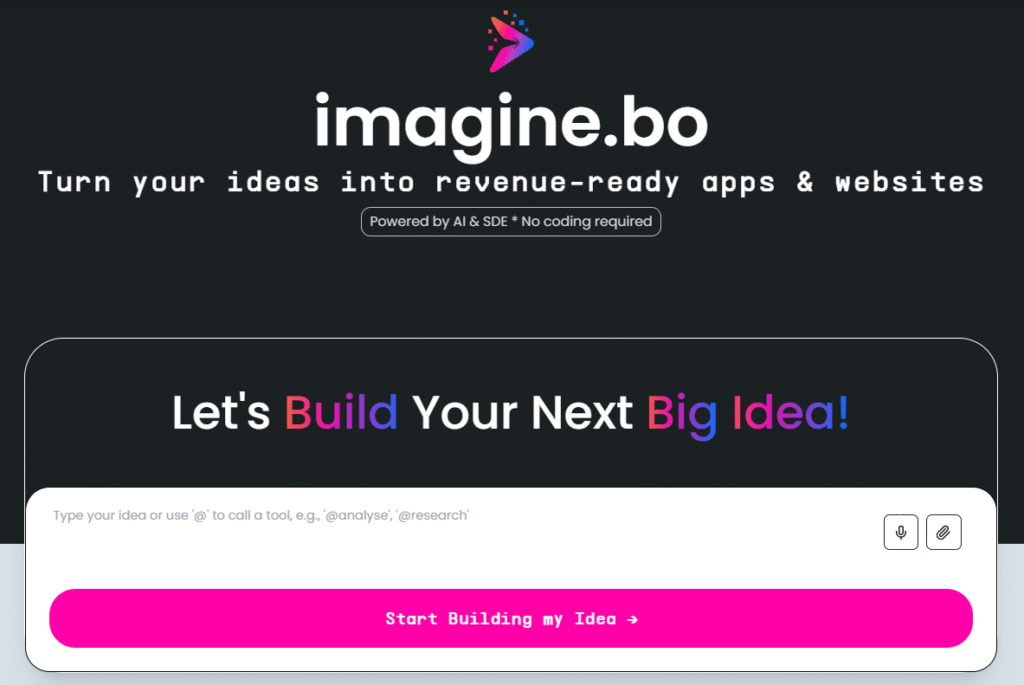
Imagine.bo integrates compliance and protection measures into its platform by embedding key security and procedural elements that meet GDPR requirements. It focuses on automating protection measures and simplifying regulatory adherence through structured processes.
Automated Security Features
Imagine.bo uses automated security checks to continuously monitor data handling and storage. These checks verify encryption standards, access controls, and data anonymization to reduce risks associated with personal data processing.
Built-in Compliance Workflows
Imagine.bo offers built-in workflows designed to align with GDPR processes. These workflows enable organizations to start automating workflows without writing code, enforcing steps like active consent collection and automated data deletion schedules.
Expert Support for Legal Questions
Imagine.bo provides direct expert support to address complex GDPR legal queries. Users can access guidance on interpreting regulations and implementing compliant data practices within their specific use cases.
Steps to Build GDPR-Compliant Apps in No-Code Environments
Creating a production-ready app with no-code platforms demands precise handling of user data and clear consent mechanisms. Effective mapping of data flows, tailored consent collection, and reliable deletion processes are essential to meet GDPR requirements.
Mapping Data Flows
Mapping data flows means identifying where user data is collected, processed, stored, and shared. This step requires a thorough audit of every component within the no-code tool, including external integrations like cloud providers or APIs.
Customizing User Consent
User consent in GDPR must be explicit, informed, and freely given. No-code apps need clear interfaces for users to grant or withdraw consent, covering specific data processing activities.
Implementing Data Deletion Requests
The right to erasure requires apps to delete user data upon request within a reasonable timeframe. No-code platforms should enable quick identification of user data across all modules.
Pitfalls and Common Mistakes in GDPR Compliance
Many compliance issues arise from gaps in understanding or managing data flows and policies. Avoiding common mistakes in no-code SaaS development helps prevents liability risks.
Overlooking Third-Party Integrations
Using no-code tools often involves numerous third-party integrations. Each connection can expose personal data to external processors, creating compliance risks if not properly managed.
Insufficient Documentation
Comprehensive documentation is a common compliance shortfall. Many no-code users neglect to maintain detailed records of data processing activities, which the GDPR explicitly requires.
Failure to Update Privacy Policies
Privacy policies that do not reflect current data practices present another frequent mistake. No-code apps often evolve rapidly, adding new features or integrations that change data usage.
Scaling and Managing Compliance Over Time
Ensuring GDPR compliance in no-code tools requires adapting to growing data volumes while maintaining effective oversight. A scalable SaaS architecture is essential to handle traffic spikes and evolving regulations.
Handling Increased Data Volume
No-code platforms must support scalable infrastructure to manage rising volumes of personal data without compromising compliance. This involves implementing automated data classification and retention policies that adjust as datasets expand.
Continuous Compliance Audits
Regular compliance audits are critical to verify ongoing GDPR adherence in no-code environments. Automated audit tools can streamline the review process by tracking data access, consent records, and policy enforcement in real time.
Future Trends in GDPR and No-Code Platforms
No-code platforms are evolving to address increasingly complex data privacy requirements. Advancements in AI and regulatory changes will shape how these tools support data protection and compliance.
AI-Driven Compliance Automation
AI integration in no-code tools will enable automated GDPR compliance with greater precision. Platforms will use AI-generated blueprints to create customizable data processing workflows aligned with legal requirements, reducing manual errors.
Emerging Data Protection Regulations
No-code platforms must adapt swiftly to evolving data protection laws beyond GDPR, such as the proposed ePrivacy Regulation. Providers will increasingly emphasize flexible, modular compliance components that organizations can adjust as new regulations emerge.
Launch Your App Today
Ready to launch? Skip the tech stress. Describe, Build, Launch in three simple steps.
Build