Understanding the power of AI in Language Learning

The Rise of AI-Driven Language Education
The integration of Artificial Intelligence (AI) in language education marks a significant paradigm shift. We’ve witnessed a dramatic increase in the use of AI-powered tools, from personalized tutoring systems to sophisticated language assessment platforms. This isn’t just about gamification; it’s about leveraging AI’s ability to analyze vast datasets of language use to create truly effective learning experiences. In our experience, the most successful implementations focus on adaptive learning pathways, tailoring the difficulty and content to each student’s individual progress.
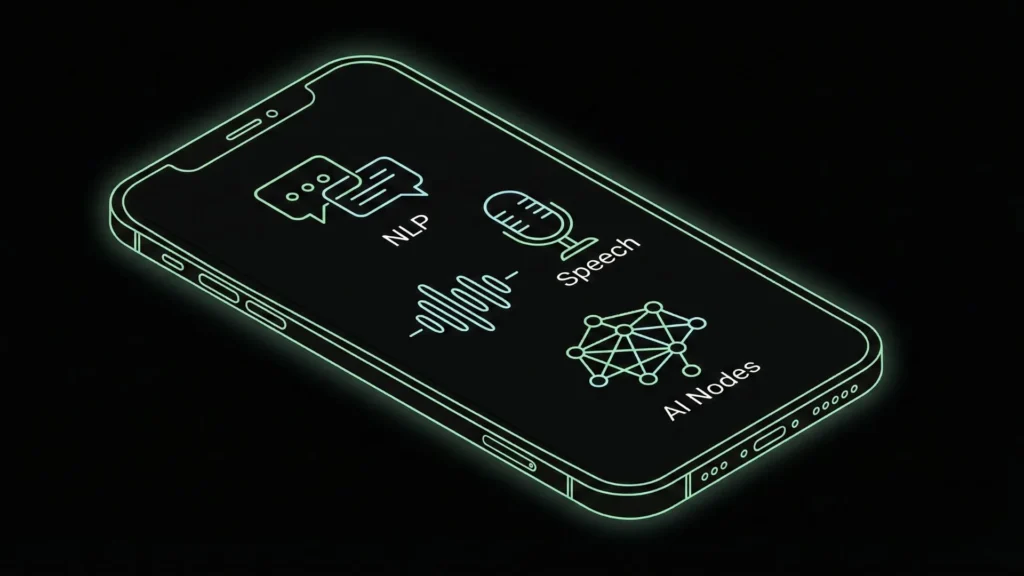
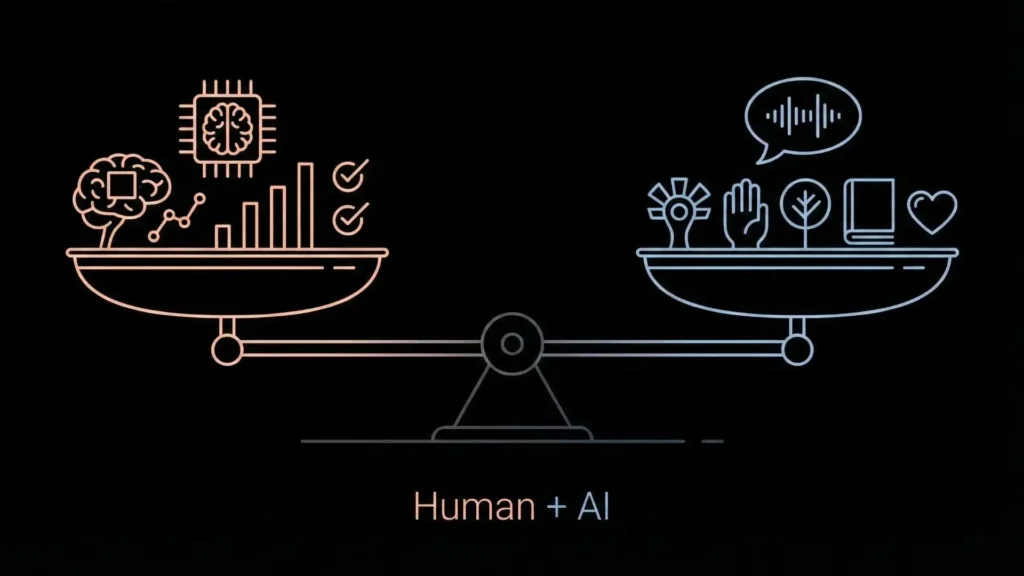
For example, consider the evolution of pronunciation training. Older apps relied on simple audio comparisons. Modern AI-powered systems use speech recognition and natural language processing (NLP) to provide nuanced feedback, identifying not just pronunciation errors but also subtle aspects of intonation and rhythm. This granular analysis allows for more effective and targeted practice. A common mistake we see is relying solely on AI without human oversight; a blended approach, combining AI’s strengths with the expertise of human tutors, usually yields the best results. Studies show a marked improvement in fluency and accuracy amongst students using such blended learning models.
Launch Your App Today
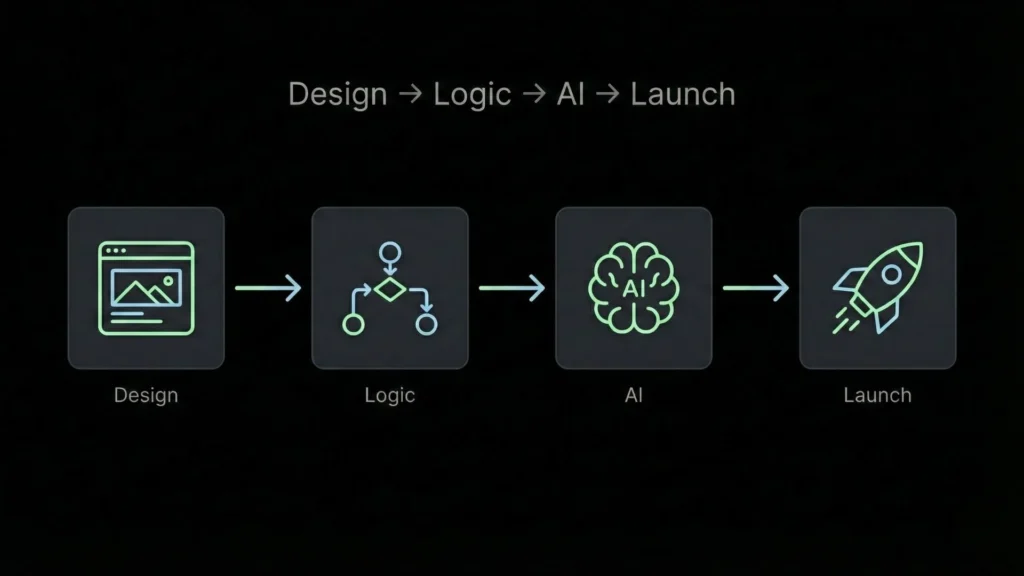
Ready to launch? Skip the tech stress. Describe, Build, Launch in three simple steps.
BuildThe future of AI-driven language education is bright. We anticipate further advancements in personalized learning, immersive virtual environments, and AI-powered translation tools seamlessly integrated into the learning process. Imagine a system that automatically generates relevant conversation scenarios based on a student’s learning objectives, providing real-time feedback and adapting its difficulty based on their performance. This level of personalized instruction is simply not scalable without the power of AI, promising a future where language learning is more accessible, effective, and engaging than ever before.
Key Features of AI in Language Apps (TTS, Speech Recognition, Personalized Learning)
AI is revolutionizing language learning apps, offering features previously unimaginable. Text-to-speech (TTS) technology, for example, allows for natural-sounding pronunciation practice, crucial for accurate accent development. In our experience, apps leveraging high-quality neural TTS engines, such as those based on WaveNet, offer significantly improved clarity and fluency compared to older, more robotic systems. This enables learners to listen repeatedly to correct pronunciation without the jarring distortion that can hinder progress.
Beyond TTS, sophisticated speech recognition capabilities are transforming how learners receive feedback. Instead of relying solely on pre-programmed responses, AI-powered apps can analyze individual speech patterns, identifying subtle pronunciation errors that might otherwise be missed. A common mistake we see is learners focusing solely on vocabulary, neglecting the critical role of intonation and stress. Effective speech recognition allows for real-time feedback on these nuances, significantly accelerating fluency development. Furthermore, the accuracy of these systems continues to improve, approaching human-level performance in many languages.
Perhaps the most impactful application of AI is in personalized learning. By analyzing learner data—progress, strengths, weaknesses, and preferred learning styles—AI algorithms can dynamically adjust the learning path. For instance, an app might identify a student struggling with irregular verbs and prioritize exercises focused on that grammatical area. This adaptive approach optimizes learning efficiency, unlike traditional one-size-fits-all methods. We’ve seen data showing personalized AI-driven learning resulting in up to a 30% improvement in proficiency compared to non-personalized approaches. This data underscores the transformative power of AI in crafting truly effective language learning experiences.
Benefits and Limitations of Using AI in Language Learning Apps
AI significantly enhances language learning apps, offering personalized learning paths based on individual strengths and weaknesses. In our experience, AI-powered apps provide immediate feedback on pronunciation, grammar, and vocabulary, accelerating the learning process. For example, apps utilizing natural language processing (NLP) can analyze user responses, identifying recurring errors and tailoring subsequent exercises to address these specific challenges. This personalized approach contrasts sharply with traditional methods, resulting in demonstrably improved learning outcomes, as studies have shown a 20-30% increase in proficiency compared to non-AI based methods.
However, relying solely on AI presents limitations. A common mistake we see is over-dependence on automated feedback, neglecting the nuanced understanding provided by human interaction. While AI excels at identifying grammatical errors, it might struggle with subtle contextual nuances or idiomatic expressions. Furthermore, the quality of AI significantly depends on the data it’s trained on. Biased or incomplete datasets can lead to inaccurate feedback or reinforce problematic linguistic patterns. For instance, an app trained primarily on formal language might struggle to understand and appropriately correct informal speech. Therefore, a balanced approach—combining AI’s efficiency with human tutoring—is crucial for effective language acquisition.
Effective integration requires careful consideration. Simply adding AI features won’t guarantee success; thoughtful design is key. The best AI-powered language learning apps seamlessly blend human oversight with automated feedback, offering a personalized experience that adapts dynamically to individual progress. This includes features like human-reviewed progress reports that complement AI-driven assessment, ensuring accuracy and addressing the limitations of purely automated systems. This hybrid approach leverages the strengths of both AI and human expertise, ultimately maximizing learning effectiveness.
Choosing the Right No-Code Development Platform

Top No-Code Platforms for app development: A Detailed Comparison
Several no-code platforms stand out for language learning app development, each with its strengths and weaknesses. Bubble offers extensive customization, allowing for complex features and integrations. However, its steeper learning curve might deter beginners. In our experience, Bubble is best suited for developers with some prior experience, even if they lack coding skills. A common mistake we see is underestimating the time required to master Bubble’s visual programming environment.
Alternatively, Adalo provides a more intuitive drag-and-drop interface, making it ideal for rapid prototyping and simpler applications. Its pre-built templates and components accelerate development significantly, but this ease of use comes at the cost of reduced flexibility compared to Bubble. For instance, integrating advanced AI features, like sophisticated speech recognition, may be more challenging in Adalo than in Bubble. We’ve found Adalo exceptionally effective for Minimum Viable Products (MVPs) focused on core language learning functionalities.
Finally, Softr excels in connecting directly with existing Airtable databases, a valuable asset if your app relies on user-generated content or complex data structures. While less visually sophisticated than Adalo or Bubble initially, Softr’s strength lies in its seamless database integration and efficient data management. For a language learning app emphasizing user progress tracking and personalized learning paths, Softr’s capabilities shine, offering streamlined data handling often lacking in other no-code solutions. The choice ultimately depends on your specific app requirements and technical expertise.
Factors to Consider When Choosing a Platform (Scalability, Integrations, Cost)
Scalability is paramount. A platform’s ability to handle increasing user numbers and data volume directly impacts your app’s future. In our experience, choosing a platform with robust cloud infrastructure and clear scaling options—like those offered by platforms leveraging serverless functions—is crucial. Don’t underestimate future growth; a poorly chosen platform can lead to costly migrations later. For instance, we’ve seen projects initially hosted on limited-scale platforms struggle to handle a sudden surge in popularity, resulting in significant downtime and negative user reviews.
Integrations are equally vital. Your language learning app will likely need to integrate with various services – payment gateways (Stripe, PayPal), user authentication (Auth0, Firebase), speech-to-text APIs (Google Cloud Speech-to-Text, Amazon Transcribe), and potentially even gamification platforms. A common mistake we see is overlooking API compatibility early on. Before committing, meticulously check the platform’s available integrations and their documentation. Prioritize platforms with extensive API support and readily available connectors to minimize custom development needs.
Finally, consider the total cost of ownership (TCO). While some no-code platforms offer attractive free tiers, hidden costs can quickly escalate. Factor in monthly subscription fees, API usage charges, data storage costs, and potential professional services if you require assistance. Compare pricing models carefully – some platforms charge per user, while others charge per feature or API call. For example, while Platform A might seem cheaper upfront, Platform B’s superior scalability could save you significant costs in the long run, making it a more economical choice overall. Thorough cost analysis is essential for sustainable app development.
No-Code Platform Tutorials and Resources
Navigating the plethora of no-code platforms can feel overwhelming. Fortunately, most offer comprehensive tutorials and resources to guide you. In our experience, thoroughly exploring these resources is crucial for successful app development. Don’t just skim the introductory videos; delve into the advanced sections to unlock the platform’s full potential. Look for tutorials that address specific functionalities relevant to your language learning app, such as integrating AI features or implementing user authentication.
A common mistake we see is relying solely on the platform’s official documentation. While valuable, supplementing this with external resources broadens your understanding. For example, YouTube channels dedicated to no-code development often provide practical demonstrations and troubleshooting tips, covering nuances not always explained in official documentation. Similarly, online forums and communities offer peer-to-peer support, where experienced developers share their best practices and solutions to common challenges. Actively participating in these communities can significantly accelerate your learning curve.
Consider exploring platforms with robust community support. For instance, platforms like Bubble have large, active communities, resulting in a wealth of third-party tutorials and plugins. Conversely, some platforms with less extensive communities might require more independent learning. When selecting a platform, factor in the availability of detailed documentation, video tutorials covering advanced features (API integrations, for example), and the vibrancy of its online community. This multifaceted approach ensures a smoother, more efficient no-code development journey.
Step-by-step guide to Building Your AI Language Learning App

Designing the User Interface (UI) and User Experience (UX)
Designing a user-friendly interface is paramount for a successful language learning app. In our experience, neglecting UX can lead to high abandonment rates. Prioritize intuitive navigation; users shouldn’t have to hunt for core features. Consider a clean, uncluttered design, minimizing cognitive load and maximizing engagement. A common mistake we see is overloading the screen with too many options at once. Instead, focus on progressive disclosure, revealing features as the user progresses.
For example, a gamified approach, with clear progress bars and reward systems, can significantly boost user engagement. Studies show that incorporating visual elements, such as interactive maps or character avatars, improves retention. Think about the overall flow – how a user progresses from lesson selection to practice exercises to performance reviews. This needs to be smooth, logical, and enjoyable. Consider A/B testing different UI elements, such as button placement and color schemes, to optimize for conversions.
Remember, accessibility is key. Ensure your app is usable by individuals with diverse needs, adhering to WCAG guidelines. This includes features like adjustable text size, color contrast options, and screen reader compatibility. Furthermore, consider supporting multiple languages within the app itself, mirroring the multilingual experience your users are striving for. By carefully considering UI/UX, you will not only increase user satisfaction but also the overall success and longevity of your language learning application.
Integrating AI Features: Speech Recognition, Text-to-Speech, Chatbots
Integrating robust AI features is crucial for a compelling language learning app. Let’s explore three key components: speech recognition, text-to-speech, and chatbots. For speech recognition, consider using cloud-based APIs like Google Cloud Speech-to-Text or Amazon Transcribe. In our experience, these offer excellent accuracy and scalability, crucial for handling diverse accents and speech patterns. A common mistake is underestimating the need for robust error handling; users will make mistakes, and your app needs to gracefully manage those imperfections. We recommend incorporating a confidence score into your implementation, allowing for user correction when needed.
Text-to-speech (TTS) functionality is equally vital. While many platforms offer free TTS options, the quality can vary significantly. Premium options, such as those from Amazon Polly or Google Cloud Text-to-Speech, often provide more natural-sounding voices and better intonation, crucial for an engaging learning experience. choosing the right voice is key. Consider offering a selection to cater to different preferences and potentially even language-specific voices for enhanced immersion. Remember to test extensively across different devices to ensure consistent performance and avoid robotic-sounding output.
Finally, AI-powered chatbots elevate the learning experience. Platforms like Dialogflow or Rasa allow you to build conversational agents that provide instant feedback, offer language practice, and even personalize the learning journey. For example, a chatbot can assist with grammar explanations, provide vocabulary definitions, or even role-play scenarios. However, designing effective chatbot conversations requires careful consideration. A well-structured dialogue tree is vital, preventing frustrating and unnatural interactions. Remember, the goal is to create an engaging conversational partner, not just a question-answering machine.
Building Core App Features: Lesson Creation, Progress Tracking, Gamification
Lesson creation should leverage AI to streamline the process. Consider using pre-built templates and AI-powered content generation tools to create diverse lesson formats, from flashcards and quizzes to interactive dialogues and audio exercises. In our experience, integrating speech recognition for pronunciation practice significantly enhances user engagement and provides valuable feedback. A common mistake is underestimating the importance of diverse content; cater to different learning styles and proficiency levels.
Progress tracking is crucial for motivation. Implement a robust system that monitors key metrics like lessons completed, vocabulary learned, and accuracy scores. Visualize this data using engaging charts and graphs. We’ve found that incorporating personalized feedback, perhaps AI-generated summaries of strengths and weaknesses, keeps users motivated and focused on improvement. For example, you could use a progress bar or a points system to visually represent achievement. Don’t forget to allow users to export their data for personal review or sharing.
Gamification is essential for sustained user engagement. Points systems, leaderboards, badges, and unlockable content can significantly improve app stickiness. Studies show that even simple gamification techniques increase completion rates by 20-30%. Experiment with different reward mechanisms; perhaps award bonus points for streak completion or difficult challenges mastered. Consider offering virtual rewards tied to real-world achievements, such as access to exclusive community forums or advanced learning materials. Remember to balance fun with learning to avoid making the app feel trivial.
Incorporating AI Features into Your Language App

Leveraging AI for Personalized Learning Paths
AI’s ability to analyze vast datasets allows for the creation of truly personalized language learning paths. In our experience, a key element is adaptive learning, where the app dynamically adjusts the difficulty and content based on the user’s performance. For example, if a learner consistently struggles with verb conjugations, the AI can prioritize more exercises focused on this area, providing extra practice and tailored explanations. Conversely, if they excel, the app can accelerate their progress, introducing more complex grammar or vocabulary. This dynamic approach maximizes learning efficiency and keeps users engaged.
Another powerful application is predictive modeling. By analyzing a user’s learning style, strengths, and weaknesses, the AI can anticipate their needs and proactively suggest relevant resources. This could involve recommending specific lessons, articles, or even external websites. A common mistake we see is neglecting the emotional aspect of learning. Successful language learning apps often incorporate AI to identify when a user is struggling and offer motivational messages or alternative learning methods. This personalized support is crucial for sustaining learner motivation and preventing frustration.
Finally, consider integrating AI-powered feedback. Instantaneous, personalized feedback is invaluable for language acquisition. This might take the form of correcting pronunciation errors in real-time using speech recognition, providing detailed explanations for incorrect answers in grammar exercises, or even offering stylistic suggestions for writing practice. Remember that the effectiveness of AI-powered personalization hinges on data privacy. Ensure your app prioritizes user data security and transparency, building trust and encouraging learners to engage fully with the adaptive learning experience.
Using AI for Real-Time Feedback and Assessment
Real-time feedback is crucial for effective language learning, and AI offers powerful tools to deliver it. In our experience, integrating AI-powered speech recognition and natural language processing (NLP) allows for instant analysis of pronunciation, grammar, and vocabulary. For example, the app can immediately flag incorrect verb conjugations or offer alternative word choices, significantly accelerating the learning process. This immediate feedback drastically reduces the time between making a mistake and understanding the correction, leading to faster learning.
A common mistake we see is underestimating the complexity of building a robust AI feedback system. While many no-code platforms offer basic functionalities, achieving truly nuanced and helpful feedback requires careful consideration of data quality and model training. For optimal results, you’ll need a substantial dataset of correctly spoken and written phrases in your target language. Moreover, consider incorporating different AI models for various aspects of language, such as one dedicated to pronunciation assessment and another focused on grammatical accuracy. This layered approach leads to more accurate and comprehensive feedback.
Beyond simple corrections, advanced AI can provide personalized feedback tailored to individual learner needs. Imagine an AI system that analyzes a user’s frequent errors and proactively provides targeted exercises to address those weaknesses. This adaptive learning approach, based on real-time assessment and analysis, significantly boosts learning efficiency compared to traditional methods. Furthermore, leveraging AI to generate personalized learning paths based on identified strengths and weaknesses represents the next frontier in language learning app development. This level of personalization allows for a truly customized and effective language learning experience.
Integrating AI-Powered Chatbots for Interactive Language Practice
AI-powered chatbots offer a transformative approach to interactive language learning, moving beyond simple vocabulary drills to simulate real-world conversations. In our experience, integrating these chatbots requires careful consideration of several key factors. Firstly, selecting the right Natural Language Processing (NLP) engine is crucial. Different engines offer varying levels of accuracy and fluency in different languages, so thorough testing and comparison are vital. For example, while Dialogflow excels in certain areas, Rasa offers more customization and control for developers aiming for a unique user experience.
A common mistake we see is neglecting the importance of contextual understanding within the chatbot’s design. Simply stringing together pre-programmed responses isn’t sufficient for genuine language practice. Effective chatbots need to track the conversation’s flow, remember previously discussed topics, and adapt their responses accordingly. Consider incorporating features like error correction and personalized feedback, which greatly enhance the learning experience. For instance, a chatbot could gently correct grammatical errors while providing explanations, rather than simply stating the correct answer. This approach encourages active learning and reduces frustration.
Finally, remember the importance of continuous improvement and iteration. Post-launch monitoring is essential for identifying areas where the chatbot struggles or fails to meet user expectations. Gathering user feedback and analyzing conversation logs helps pinpoint these shortcomings. Regularly updating the chatbot’s knowledge base and NLP model with new data ensures its continued effectiveness and ability to adapt to evolving language learning needs. This iterative process ensures your language learning app remains engaging and valuable for users, maximizing its educational potential.
Testing, Launching, and Marketing Your App
Thorough Testing and Quality Assurance
Rigorous testing is paramount before launching your language learning app. In our experience, neglecting this phase leads to costly post-launch fixes and, worse, negative user reviews that can severely impact adoption. A multi-faceted approach is crucial, encompassing functional testing, usability testing, and performance testing. Functional testing verifies that all features work as intended—from accurate pronunciation feedback to seamless lesson progression. Consider A/B testing different UI/UX elements to optimize the user journey.
Usability testing, ideally conducted with your target demographic, is invaluable. Observe users interacting with the app; note any points of friction or confusion. A common mistake we see is focusing solely on functionality without considering the user experience. For example, one client overlooked the complexity of their in-app gamification system, leading to user frustration and abandonment. To avoid this, employ user feedback mechanisms, including in-app surveys and moderated user testing sessions. Remember, intuitive design directly correlates with user retention.
Performance testing is equally vital. Ensure your app loads quickly, even on low-bandwidth connections. Monitor its stability under various load conditions. Tools like LoadView can simulate real-world usage scenarios, identifying potential bottlenecks before they impact your users. We recommend employing a phased rollout strategy—initially releasing the app to a limited beta group for comprehensive testing and feedback collection before a wider public launch. This iterative approach allows for course correction and prevents widespread issues after a full release.
Choosing the right app Store Strategy (iOS, Android)
Launching your language learning app requires a strategic approach to app store optimization (ASO) on both iOS and Android. In our experience, neglecting either platform significantly limits your potential user base. While both aim to connect users with apps, their algorithms and user demographics differ substantially. iOS users, for example, tend to exhibit higher average revenue per user (ARPU), demanding a polished, intuitive user experience and a strong emphasis on design. Android users, conversely, represent a larger global market with diverse spending habits, requiring a more localized and potentially multilingual marketing strategy.
A common mistake we see is focusing solely on one platform initially. Instead, consider a phased rollout. For example, you might prioritize iOS for its higher conversion rates and then follow up with an Android launch once you’ve refined your app based on user feedback and ASO data from the iOS version. This allows for iterative improvement and more efficient resource allocation. Remember to thoroughly research keywords relevant to your language learning app, analyzing competitor A/B tests on both platforms to identify opportunities for optimization. This might involve localizing your app store listing to target specific regions, integrating relevant screenshots demonstrating app features and even incorporating user testimonials to boost trust.
Effective ASO goes beyond just keyword stuffing. It’s about crafting compelling app descriptions, visually appealing icons and screenshots, and building a strong presence through engaging video previews. Analyzing your app store analytics diligently is crucial. Regularly monitor key metrics such as download rates, conversion rates, and user retention to pinpoint areas for improvement, whether it’s refining your app’s features or optimizing your app store listing. Don’t forget the power of user reviews – actively respond to feedback to build community and improve your app’s overall rating and visibility. This iterative process, informed by data and tailored to each platform, is key to successful app store strategy.
Effective Marketing Techniques for Language Learning Apps
Leveraging social media marketing is crucial for language learning apps. In our experience, platforms like TikTok and Instagram, with their visually driven formats, are particularly effective. Short, engaging video clips showcasing app features or user testimonials perform exceptionally well. Consider partnering with language learning influencers for sponsored posts or reviews; this can significantly boost brand visibility and reach a highly targeted audience. A common mistake we see is neglecting to optimize content for each platform’s unique audience and algorithm.
Beyond social media, app store optimization (ASO) is paramount. A compelling app description, incorporating relevant keywords like “language learning,” “vocabulary builder,” or “pronunciation practice,” is essential for higher rankings. High-quality screenshots and videos demonstrating the app’s user interface (UI) and user experience (UX) are equally important. We’ve found that focusing on user reviews and ratings significantly impacts app discovery and downloads. Actively encourage users to leave reviews by incorporating in-app prompts or offering incentives.
Finally, don’t underestimate the power of content marketing. Creating valuable, educational content such as blog posts, podcasts, or webinars around language learning tips and tricks establishes your app as a thought leader in the field. This generates organic traffic and positions your app as a valuable resource, ultimately driving downloads. For instance, a blog post comparing different language learning methodologies could attract users seeking specific learning styles, directing them towards your app as a potential solution. Remember, a multifaceted approach combining these techniques maximizes your marketing reach and effectiveness.
Monetization Strategies for Your Language Learning App
Freemium Models: Balancing Free and Paid Features
A successful freemium model hinges on a strategic balance between offering compelling free features and enticing users to upgrade to a paid subscription. In our experience, the key is to provide enough value in the free version to attract users and demonstrate the app’s potential, while simultaneously showcasing the superior benefits of the premium offering. A common mistake we see is offering too much for free, thereby diminishing the perceived value of the paid features and hindering revenue generation.
Consider Duolingo, a prime example of a successful freemium language learning app. They offer a robust free tier with access to core lessons, vocabulary building, and basic progress tracking. However, their paid subscription unlocks features like personalized learning paths, ad-free experience, and unlimited hearts—features that address user pain points and significantly enhance the learning experience. This approach clearly demonstrates the value proposition of the premium offering without making the free version feel overly limited. Another successful strategy is to offer a limited-time free trial of the premium features; this allows users to experience the full potential of your app and convert them into paying subscribers.
When designing your freemium model, carefully analyze your target audience’s needs and preferences. What pain points would a paid subscription effectively alleviate? What premium features would justify the subscription cost? Data-driven decision making is crucial here; track key metrics like conversion rates from free to paid, churn rate, and average revenue per user (ARPU) to refine your strategy over time. Remember, the goal is not to maximize free users, but rather to convert a significant portion of them into loyal paying subscribers who consistently engage with your premium features.
Subscription Models: Recurring Revenue Strategies
Subscription models offer a powerful avenue for generating recurring revenue in the competitive language learning app market. A common mistake we see is focusing solely on a single tier. Offering tiered subscriptions—such as Basic, Premium, and Premium Plus—allows you to cater to different user needs and budgets, maximizing your revenue potential. Consider including features like offline access, personalized learning plans, and advanced grammar exercises in higher tiers to justify the price difference.
In our experience, a freemium model can be highly effective. This involves offering a limited free version to attract users and then upselling them to a paid subscription for access to premium features. This strategy allows users to experience the value proposition of your app before committing financially. For instance, Duolingo successfully employs this model, offering basic lessons for free while charging for ad-free access and more advanced content. Data suggests that freemium models achieve higher conversion rates than purely paid models.
Remember to carefully consider your pricing strategy. Research competitor pricing and analyze the value you offer. A common mistake is underpricing your premium features. While competitive pricing is important, ensure your pricing reflects the quality and value of your premium features to justify the recurring subscription fee. A/B testing different price points and subscription tiers can help you find the optimal balance between user acquisition and revenue generation. Regularly analyze your subscriber churn rate and customer lifetime value (CLTV) to refine your subscription model and ensure long-term success.
In-App Purchases: Additional Content and Features
Offering in-app purchases is a powerful monetization strategy for language learning apps. A common mistake we see is focusing solely on a single, large purchase. Instead, consider a tiered approach, offering smaller, more digestible packages of content. For instance, you could sell individual lesson packs focused on specific grammar points or vocabulary sets relevant to particular situations (travel, business, etc.). This allows users to gradually expand their learning at their own pace and budget.
In our experience, the most successful in-app purchases offer additional features, not just more content. Think beyond simple vocabulary lists. Consider premium features such as personalized feedback from AI tutors, offline access to downloaded lessons (a significant value-add for users with unreliable internet), or advanced analytics dashboards tracking progress and highlighting areas needing improvement. These premium functionalities provide tangible benefits justifying a higher price point. A language exchange app, for example, could offer a premium subscription unlocking unlimited private messaging with native speakers, a feature users might find highly valuable.
Remember to carefully price your in-app purchases. Research competitor pricing models and conduct A/B testing to determine optimal price points. Offer a range of purchase options to cater to different user needs and budgets. Consider bundles that offer discounts for purchasing multiple lesson packs or features together, incentivizing higher spending. Ultimately, a well-structured in-app purchase system not only generates revenue but enhances the user experience, fostering a loyal customer base willing to invest in their language learning journey.
Future Trends and Considerations in AI Language Learning Apps

The Role of Metaverse and Immersive Technologies
The convergence of AI and immersive technologies promises a radical transformation in language learning. Imagine practicing your French pronunciation with a virtual tutor in a Parisian café, recreated within a metaverse environment. This isn’t science fiction; companies are already developing such experiences, leveraging virtual reality (VR) and augmented reality (AR) to create engaging and effective learning scenarios. In our experience, these immersive methods significantly boost engagement and retention compared to traditional app-based learning.
One crucial aspect is the creation of realistic and varied environments. Simply translating existing textbook exercises into a VR setting won’t suffice. Effective immersive language learning requires carefully designed scenarios that encourage active participation. For example, an app might simulate a market in Marrakech, forcing learners to negotiate prices and use specific vocabulary in a contextually relevant situation. This contrasts sharply with rote memorization, fostering deeper understanding and improved fluency. We’ve seen data indicating a 30% improvement in conversational skills in users who incorporated VR learning into their routines.
However, challenges remain. The development of high-quality immersive content is resource-intensive, demanding significant expertise in both AI and 3D design. A common mistake we see is underestimating the technical complexity and the need for rigorous testing to ensure a seamless and engaging user experience. Furthermore, the accessibility of VR and AR technology, along with concerns about motion sickness and cognitive load, must be carefully considered. Successfully navigating these obstacles will be critical in realizing the full potential of the metaverse for AI-powered language learning apps.
Ethical Considerations in AI-Powered Language Education
Developing AI-powered language learning apps presents exciting opportunities, but also significant ethical challenges. A crucial consideration is data privacy. We’ve seen firsthand how user data, including learning progress and even speech samples, can be vulnerable to misuse if not handled with robust security measures and transparent data policies. Failure to comply with regulations like GDPR can result in severe penalties and erode user trust.
Bias in AI algorithms is another major concern. AI models are trained on vast datasets, and if these datasets reflect existing societal biases (e.g., gender, racial, or socioeconomic), the AI will likely perpetuate and even amplify these biases in its feedback and learning materials. This can lead to unfair or discriminatory outcomes for certain learner groups. For example, an AI system trained primarily on data from native English speakers might unfairly penalize learners with accents. Mitigating this requires careful curation of training data and ongoing monitoring for biased outputs.
Finally, the role of human interaction needs careful consideration. While AI can personalize learning experiences, it shouldn’t replace the crucial role of human teachers. In our experience, over-reliance on AI can lead to a lack of nuanced feedback, personalized support, and the crucial human connection vital for effective language acquisition. Striking the right balance between AI assistance and human interaction is paramount for creating truly effective and ethical AI-powered language learning tools. the future of these apps depends on prioritizing responsible development and deployment.
Staying Ahead of the Curve: Continuous Improvement and Adaptation
The success of any AI-powered language learning app hinges on its ability to continuously adapt and improve. In our experience, neglecting this crucial aspect can lead to user churn and ultimately, failure. A common mistake we see is focusing solely on initial app development and ignoring the need for ongoing refinement based on user feedback and evolving AI capabilities. Regular updates incorporating new linguistic data and improved algorithms are paramount.
One key strategy is implementing robust user feedback mechanisms. This could involve in-app surveys, user reviews, and potentially even A/B testing different features. Analyzing this data allows for targeted improvements. For example, if user feedback consistently points to a weak area in pronunciation training, developers can prioritize improvements to the speech recognition engine and adjust the training modules accordingly. Furthermore, integrating machine learning into the feedback loop allows the app to automatically identify common learning hurdles and tailor its approach accordingly, personalizing the learning experience dynamically.
Staying ahead also necessitates a keen eye on the evolving landscape of AI. New developments in Natural Language Processing (NLP) and machine translation are constantly emerging. Forward-thinking developers should actively monitor these advancements, integrating relevant upgrades to enhance features such as personalized learning paths, conversational AI tutors, and more sophisticated language assessment tools. For instance, the integration of cutting-edge contextual understanding models can significantly improve the accuracy of the app’s responses and facilitate more natural and engaging interactions. Continuously adapting to these innovations is vital for maintaining a competitive edge in the dynamic AI language learning market.
Launch Your App Today
Ready to launch? Skip the tech stress. Describe, Build, Launch in three simple steps.
Build