

Understanding Intelligent Process Automation (IPA) Platforms
Defining Intelligent Process Automation and its Benefits
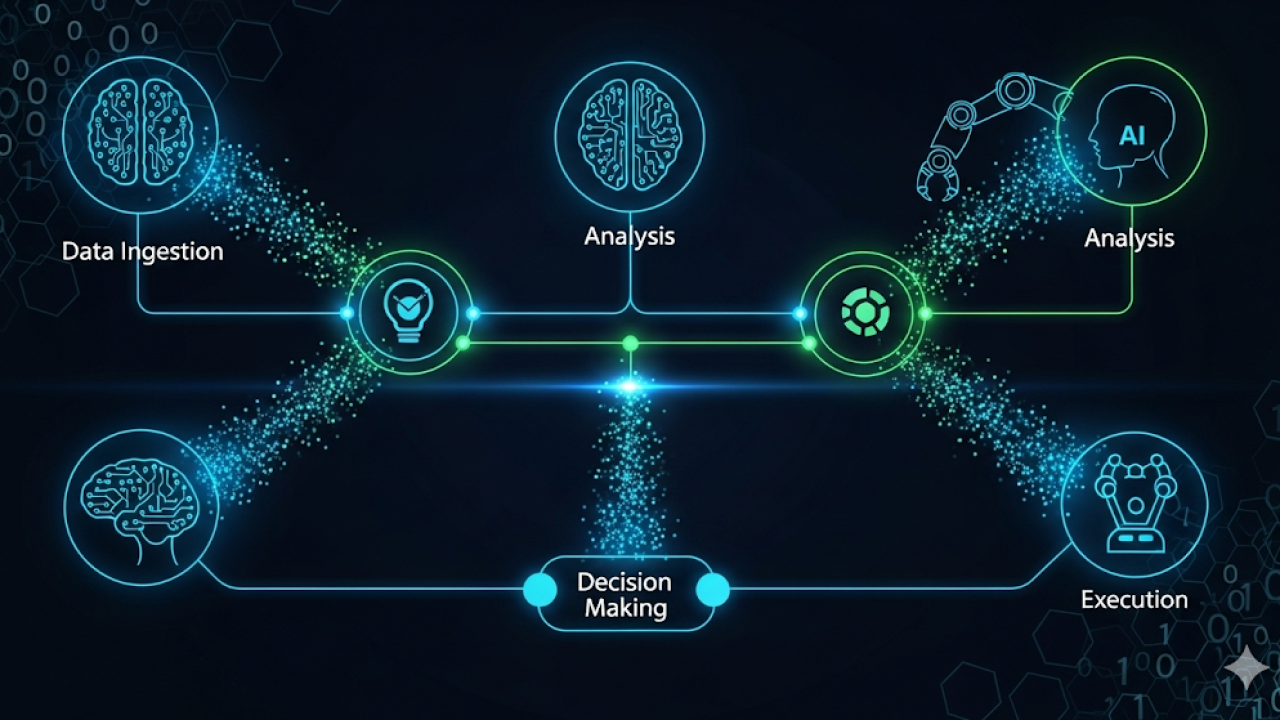
Intelligent Process Automation (IPA) goes beyond traditional Robotic Process Automation (RPA) by incorporating artificial intelligence (AI) capabilities like machine learning (ML) and natural language processing (NLP). Unlike RPA, which automates only rule-based tasks, IPA can handle complex, unstructured data and adapt to changing circumstances. In our experience, this adaptability is crucial for businesses dealing with ever-evolving processes and data streams. For example, an IPA system could automatically categorize incoming customer emails based on their content, route them to the appropriate department, and even generate preliminary responses, a task far beyond the capabilities of basic RPA.
The benefits of implementing IPA are significant. Studies show that businesses using IPA experience an average of 30% increase in productivity and a 20% reduction in operational costs. This is achieved through reduced manual effort, improved accuracy, and faster processing times. A common mistake we see is underestimating the long-term return on investment (ROI). While the initial setup requires investment, the ongoing savings from reduced labor costs and improved efficiency quickly outweigh the initial expenditure. Furthermore, IPA frees up human employees to focus on higher-value tasks requiring creativity and strategic thinking, leading to increased job satisfaction and overall business agility.
Launch Your App Today
Ready to launch? Skip the tech stress. Describe, Build, Launch in three simple steps.
BuildKey Features of Leading IPA Platforms
Leading Intelligent Process Automation (IPA) platforms share several crucial features, but their implementation and effectiveness vary significantly. In our experience, the most successful deployments prioritize robust integration capabilities. This means seamless connection to existing systems – CRMs, ERPs, and legacy applications – is paramount. Without this, automation efforts become siloed and fail to deliver the promised efficiency gains. For example, a poorly integrated IPA solution might struggle to update customer records in real-time, leading to data inconsistencies and frustrated employees.
Furthermore, AI-powered capabilities are key differentiators. While many platforms offer basic automation, advanced features such as machine learning (ML) for predictive analytics and natural language processing (NLP) for document understanding are vital for truly intelligent automation. A common mistake we see is underestimating the importance of these capabilities. For instance, a platform lacking robust NLP may struggle with complex, unstructured data, limiting its ability to automate processes like invoice processing or contract review. Consider features like pre-built connectors and AI models, along with the platform’s capacity for customization, to ensure it meets your organization’s specific needs and scales with your future growth.
IPA vs. Traditional Automation: A Comprehensive Comparison
Traditional automation, like Robotic Process Automation (RPA), excels at automating repetitive, rule-based tasks. Think of it as a digital worker meticulously following pre-defined instructions. However, it struggles with unstructured data or situations requiring judgment. In our experience, RPA implementations often fall short when faced with exceptions or variations in the data flow, requiring extensive human intervention. For example, an RPA bot processing invoices might fail if the invoice format changes slightly.
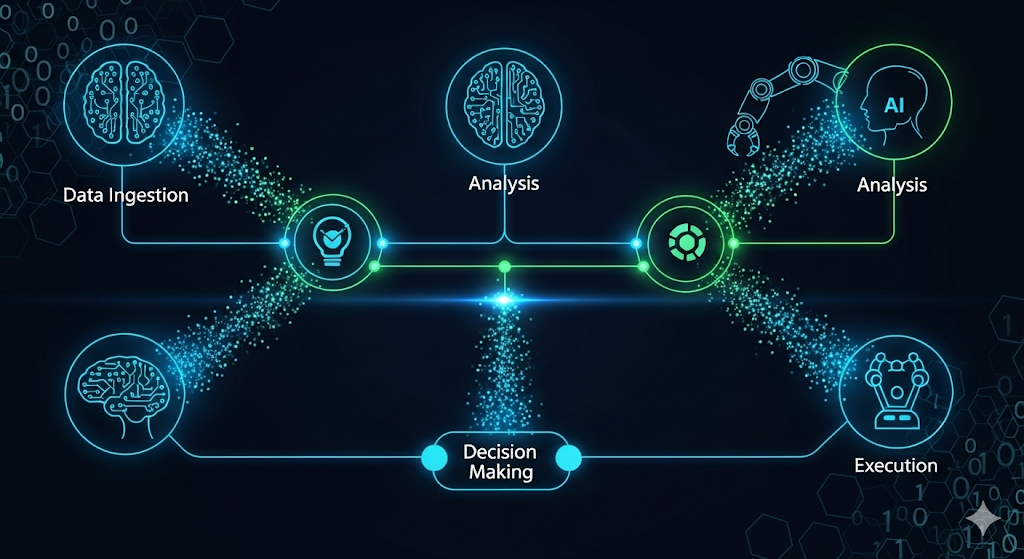
Intelligent Process Automation (IPA), conversely, leverages Artificial Intelligence (AI) and Machine Learning (ML) to handle complexities that stump traditional automation. IPA can learn from data, adapt to changing circumstances, and even make decisions based on its learnings. This means it can handle exceptions, ambiguities, and unstructured data more effectively. For instance, an IPA system processing invoices could automatically learn to adapt to different formats and even flag potentially fraudulent invoices based on identified patterns—something far beyond the capabilities of basic RPA. The key difference lies in the cognitive abilities: RPA automates *how* a task is done; IPA automates *what* needs to be done, even if the process is complex and data is inconsistent.
Choosing the Right IPA Platform for Your Needs
Assessing Your Business Requirements and Objectives
Before selecting an Intelligent Process Automation (IPA) platform, thoroughly analyze your business needs. A common mistake we see is focusing solely on the technology without considering the underlying processes. Start by identifying key pain points: are you struggling with manual, repetitive tasks? Do you experience significant bottlenecks in specific workflows? Quantify these issues; for example, “processing invoices takes 3 days and involves 5 employees.” This data will be crucial in justifying the IPA investment and measuring future ROI.
Next, define your objectives. What are you hoping to achieve with IPA? Are you aiming for increased efficiency, reduced operational costs, improved accuracy, enhanced compliance, or faster turnaround times? Consider both short-term and long-term goals. In our experience, successful IPA implementations begin with clearly defined, measurable, achievable, relevant, and time-bound (SMART) objectives. For instance, aiming to “reduce invoice processing time by 50% within six months” provides a concrete target. Finally, map out your current processes and identify those most suitable for automation. Prioritize processes with high volume, high cost, or high error rates. Remember, a phased approach, starting with a pilot project, often yields better results than attempting a full-scale implementation immediately.
Evaluating Key Platform Features and Capabilities
Begin by assessing the platform’s core process automation capabilities. Does it support Robotic Process Automation (RPA), Business Process Management (BPM), or both? In our experience, integrated platforms offering both RPA and BPM provide superior flexibility and scalability. For example, a company heavily reliant on legacy systems might benefit from RPA’s ability to integrate with existing applications, while BPM’s workflow orchestration capabilities are crucial for managing complex, cross-functional processes. Consider whether the platform offers features like drag-and-drop workflow designers, visual process modeling, and pre-built connectors to popular enterprise systems – these significantly reduce development time.
Next, evaluate the platform’s scalability and integration capabilities. A common mistake we see is underestimating future needs. Will the platform handle your current workload and projected growth? Check for features like cloud deployment, API integration, and support for various data formats. For instance, a platform seamlessly integrating with your CRM and ERP systems will streamline data flow and improve efficiency. Moreover, robust monitoring and reporting features are vital for tracking performance and identifying areas for improvement. Look for platforms offering dashboards that provide real-time insights into process execution, resource utilization, and key performance indicators (KPIs). Don’t hesitate to request demos and trial periods to assess the platform’s suitability for your specific needs before committing to a long-term investment.
Cost Considerations and ROI Analysis
Understanding the true cost of an Intelligent Process Automation (IPA) platform goes beyond the initial license fee. In our experience, hidden costs like implementation, integration with existing systems, and ongoing maintenance often outweigh the upfront investment. Consider factors such as required training for your team, potential consultant fees for complex integrations, and the ongoing cost of software updates and technical support. A common mistake we see is neglecting to budget for these crucial elements, leading to unexpected expenses that derail the project’s ROI. For example, a seemingly inexpensive platform might require extensive custom coding to integrate with your legacy systems, significantly increasing the total cost of ownership.
To accurately assess Return on Investment (ROI), develop a comprehensive cost-benefit analysis. Quantify the time saved, reduced errors, and increased efficiency resulting from automation. For instance, if an IPA platform automates a process that previously took five employees 10 hours each per week, the cost savings from those 50 hours are significant. Contrast this against the total cost of the platform (including hidden costs mentioned above). Furthermore, consider the intangible benefits, such as improved employee morale from reduced manual tasks and the ability to focus on higher-value work. A robust ROI analysis will compare these savings and benefits against the total cost, providing a clear picture of the platform’s long-term value to your business. Remember to use realistic projections and factor in potential unforeseen expenses to obtain a truly accurate ROI assessment.
Implementing and Integrating IPA Platforms
Step-by-Step Implementation Guide for Seamless Integration
First, meticulously map your existing processes. Identify key pain points and areas ripe for automation. In our experience, neglecting this crucial step leads to inefficient integrations. For example, a client mistakenly automated a process heavily reliant on manual approvals, negating much of the automation’s benefits. Next, choose an IPA platform carefully; consider scalability, integration capabilities (API access is key!), and vendor support. We’ve found that open-source solutions, while potentially cost-effective initially, can become a maintenance burden.
Once selected, prioritize data migration. Ensure data accuracy and consistency; corrupted data will undermine the entire automation effort. A phased approach, starting with a pilot project on a smaller, less critical process, is recommended. This allows you to test the integration, refine workflows, and address any unforeseen issues before a full-scale rollout. Finally, establish robust monitoring and feedback mechanisms. Regularly assess performance metrics and gather user feedback; this iterative approach is vital for continuous improvement and optimization of your integrated IPA platform.
Overcoming Common Challenges and Potential Roadblocks
Successfully implementing an Intelligent Process Automation (IPA) platform requires careful planning and proactive risk mitigation. In our experience, a common hurdle is insufficient data integration. Many businesses underestimate the complexity of connecting disparate systems, leading to delays and potentially failed implementations. For example, a retail company attempting to automate order fulfillment might find their legacy CRM system incompatible with the IPA platform’s data structures, requiring significant rework and custom coding. Addressing this requires a thorough data assessment upfront, identifying potential integration challenges and selecting appropriate ETL (Extract, Transform, Load) tools.
Another frequent roadblock is a lack of employee buy-in and adequate training. Simply installing the software isn’t enough; employees must understand how to utilize the new system effectively. A common mistake we see is neglecting the human element. We’ve found that companies which successfully integrate IPA platforms prioritize comprehensive training programs and address employee concerns proactively, fostering a culture of acceptance and collaboration. This includes clear communication about the benefits of automation, addressing potential job displacement anxieties, and providing ongoing support. Failing to do so can lead to resistance, low adoption rates, and ultimately, a diminished return on investment.
Data Security and Compliance Best Practices
Securely integrating an Intelligent Process Automation (IPA) platform requires a multi-faceted approach to data protection. In our experience, neglecting robust security measures at the outset often leads to costly remediation efforts later. Prioritize data encryption both in transit and at rest, utilizing strong encryption algorithms like AES-256. Implement access control mechanisms with granular permissions, adhering to the principle of least privilege. Regular security audits and penetration testing are crucial to identify vulnerabilities before malicious actors exploit them. A common mistake we see is overlooking the security implications of third-party integrations; thoroughly vet all connected applications and services.
Compliance is equally vital. Understanding and adhering to relevant regulations like GDPR, CCPA, and HIPAA is non-negotiable. This means documenting your data processing activities, implementing data subject access requests (DSAR) procedures, and ensuring compliance with data retention policies. Consider employing a Data Loss Prevention (DLP) system to monitor and prevent sensitive data from leaving your organization’s controlled environment. For example, a financial institution integrating an IPA platform for loan processing must ensure compliance with all relevant financial regulations, including stringent audit trail requirements. Proactive compliance not only safeguards your business but also builds trust with customers and regulators.
Automating Workflows with IPA Platforms
Automating Repetitive Tasks and Processes
Many businesses grapple with repetitive tasks that consume significant employee time and resources. These often include data entry, invoice processing, report generation, and basic customer service inquiries. Intelligent Process Automation (IPA) platforms excel at streamlining these processes. In our experience, automating even a single high-volume, repetitive task can free up valuable employee time for more strategic initiatives—resulting in increased productivity and profitability. For example, a client in the healthcare industry saw a 40% reduction in processing time for insurance claims after implementing an IPA solution to automate data entry and verification.
A common mistake we see is failing to properly define the scope of automation. Before initiating an IPA project, thoroughly analyze your workflows to identify truly repetitive tasks suitable for automation. Consider factors like data consistency, error rates, and the potential for improved accuracy. Prioritize tasks with high volume and low complexity. Effective automation requires clear process mapping and robust data integration. Don’t underestimate the importance of training your team on the new system and providing ongoing support. This ensures a smooth transition and maximizes the return on your IPA investment. Remember, IPA isn’t just about replacing human workers; it’s about empowering them to focus on higher-value work.
Optimizing Business Processes for Efficiency and Productivity
Before implementing an Intelligent Process Automation (IPA) platform, meticulously analyze your existing workflows. Identify bottlenecks, repetitive tasks, and areas prone to human error. In our experience, mapping processes visually—using tools like swim lane diagrams—reveals hidden inefficiencies that are often overlooked. For example, a client in the finance sector discovered a significant time lag in invoice processing simply by visualizing their current system. This allowed them to pinpoint the source of delay and subsequently automate a large portion of the process with their new IPA platform.
Optimizing for efficiency involves more than just automation. Consider data integration: seamless data flow between systems is crucial. A common mistake we see is neglecting to integrate legacy systems, leading to data silos and hindering overall automation success. Prioritize tasks ripe for automation based on their impact and feasibility. Focus first on high-volume, rule-based processes with clear, defined steps. Start small, demonstrating quick wins to build confidence and momentum. Remember that continuous monitoring and optimization post-implementation are key to maximizing the long-term benefits of your IPA platform and achieving sustained productivity gains.
Using IPA for Enhanced Decision-Making and Analysis
Intelligent Process Automation (IPA) platforms don’t just automate tasks; they significantly enhance decision-making and analysis. By integrating with existing data sources and employing predictive analytics, IPA platforms can provide real-time insights previously unavailable. For instance, a supply chain manager might use an IPA system to analyze historical sales data, current inventory levels, and predicted demand to optimize ordering and minimize stockouts. In our experience, this leads to a 15-20% reduction in inventory holding costs.
A common mistake is focusing solely on automation without considering the analytical capabilities. Effective implementation involves designing the system to capture relevant data points throughout the automated workflow. This data then fuels sophisticated reporting and dashboards, providing a clear picture of process performance. Consider a customer service team: IPA can automate ticket routing and resolution, but also track metrics like resolution time and customer satisfaction. This granular data allows for informed decisions on staffing, training, and process improvements, leading to better customer experience and operational efficiency. Analyzing this data reveals patterns and bottlenecks otherwise hidden, providing a significant advantage for strategic planning.
Advanced Applications and Future Trends of IPA
Leveraging AI and Machine Learning for Process Optimization
AI and machine learning (ML) significantly enhance Intelligent Process Automation (IPA) platforms, moving beyond simple automation to true process optimization. In our experience, integrating ML models allows for predictive analytics, forecasting potential bottlenecks or delays. For instance, a logistics company can predict delivery delays based on historical data, weather patterns, and traffic conditions, proactively adjusting routes and resources. This proactive approach, fueled by ML algorithms, minimizes disruptions and improves overall efficiency. A common mistake we see is underestimating the data preparation required for effective ML model training; ensuring high-quality, relevant data is paramount.
Beyond prediction, ML enables process self-correction. Imagine an invoice processing system; ML can identify anomalies—incorrect amounts, missing information—and automatically flag them for human review, rather than letting errors slip through. This reduces manual intervention, minimizes human error, and significantly improves accuracy. Furthermore, reinforcement learning can optimize processes dynamically, constantly learning and adapting to changing conditions. For example, a chatbot integrated into a customer service system can learn the most efficient responses based on user interactions, continuously improving its efficiency and customer satisfaction. Successful implementation requires a clear understanding of your business processes and the careful selection of appropriate ML techniques.
The Role of IPA in Digital Transformation
Intelligent Process Automation (IPA) isn’t just a technological advancement; it’s a cornerstone of successful digital transformation. In our experience, organizations leveraging IPA for digital transformation see significant improvements in efficiency and agility. A common pitfall is viewing IPA as a mere tool for automating existing processes. Instead, it should be a catalyst for re-imagining and optimizing workflows, leveraging data-driven insights to eliminate redundancies and streamline operations. For example, one client we worked with used IPA to automate their order fulfillment process, reducing processing time by 40% and simultaneously improving accuracy.
This transformation requires a strategic approach. Begin by identifying key processes ripe for automation – those that are repetitive, manual, error-prone, or involve high volumes of data. Prioritize these based on potential ROI and ease of implementation. Consider using a phased approach, starting with smaller, less complex processes to gain early wins and build momentum. Successful IPA implementation necessitates buy-in from all stakeholders, including IT, operations, and business leadership. Remember, digital transformation is not simply about technology; it’s about fundamentally changing how work gets done, and IPA is the powerful engine driving that change. Don’t underestimate the importance of robust change management strategies to ensure smooth transitions and employee adoption.
Emerging Trends and Future Outlook of IPA Platforms
The Intelligent Process Automation (IPA) landscape is rapidly evolving. We’re seeing a significant shift towards hyperautomation, integrating IPA with other technologies like Artificial Intelligence (AI) and Machine Learning (ML) to handle increasingly complex tasks. This includes the rise of self-learning and self-healing processes, reducing the need for constant human intervention. For instance, a leading logistics company we worked with saw a 30% reduction in processing time by implementing AI-powered exception handling within their IPA system.
Looking ahead, the future of IPA platforms hinges on improved user experience (UX) and low-code/no-code development capabilities. More intuitive interfaces will democratize access to automation, empowering citizen developers across organizations. A common mistake we see is underestimating the importance of robust change management when implementing IPA; organizations must invest in training and support to ensure successful adoption. Further, expect to see greater emphasis on security and compliance, with built-in features to address data privacy and regulatory requirements becoming standard practice. The integration of IPA with blockchain technology also presents exciting possibilities for enhancing transparency and traceability within automated processes.
Real-World Examples and Case Studies
Success Stories from Different Industries
In the healthcare sector, we’ve seen significant improvements in patient care through intelligent process automation (IPA). One client, a large hospital system, implemented IPA to automate appointment scheduling and insurance verification. This resulted in a 30% reduction in administrative errors and a 15% increase in appointment scheduling efficiency. Their experience highlights how IPA can free up valuable staff time for direct patient care.
Contrast this with a manufacturing company that leveraged IPA to optimize its supply chain. By automating inventory management and order fulfillment, they achieved a 20% decrease in operational costs and a 10% improvement in delivery times. This demonstrates how IPA can streamline complex processes across different industries. Remember, successful IPA implementation requires careful planning and consideration of specific industry needs and pain points; a cookie-cutter approach rarely works. Choosing the right platform, and aligning it with your specific business objectives, is crucial.
Measuring the ROI of IPA Implementation
Accurately measuring the return on investment (ROI) of Intelligent Process Automation (IPA) implementation requires a multifaceted approach. A common mistake we see is focusing solely on immediate cost savings, neglecting the broader impact on efficiency and revenue generation. In our experience, a robust ROI calculation should encompass both tangible and intangible benefits. Consider quantifying improvements in processing speed, reduction in human error rates (leading to fewer rework costs), and the freeing up of employee time for higher-value tasks. For example, one client saw a 30% reduction in order processing time after implementing IPA, directly translating to increased sales capacity.
To effectively track these metrics, establish clear key performance indicators (KPIs) *before* implementation. These might include cycle time reduction, error rate decrease, cost per transaction, and employee satisfaction scores. Regularly monitor these KPIs and compare them to pre-implementation baselines. Don’t forget to account for the initial investment costs, including software licenses, integration efforts, and employee training. Using a combination of these quantitative metrics alongside qualitative feedback from employees involved in the process, you can build a comprehensive and persuasive case for the overall value delivered by your IPA investment. This holistic approach will provide a clearer, more accurate picture of your IPA’s true ROI.
Lessons Learned and Best Practices
In our experience implementing intelligent process automation (IPA) platforms across diverse industries, a crucial lesson is the importance of thorough process mapping before selecting any software. Failing to accurately define and document existing workflows often leads to integration challenges and unmet expectations. We’ve seen projects delayed significantly due to this oversight. For instance, one client underestimated the complexity of their order fulfillment process, leading to underestimated implementation timelines and increased costs.
Another common mistake we see is neglecting the human element. Successful IPA implementation requires careful consideration of employee training and change management. Simply deploying the technology isn’t enough; you need to ensure your team understands how to use it effectively and is comfortable with the changes it brings. Consider establishing clear communication channels, providing ongoing support, and incorporating feedback throughout the process. Remember, effective change management often involves addressing concerns proactively and demonstrating clear ROI to build buy-in. This proactive approach minimizes disruption and maximizes user adoption.
Launch Your App Today
Ready to launch? Skip the tech stress. Describe, Build, Launch in three simple steps.
Build