
Understanding AI Landing Page Generators: What They Are and How They Work

Defining AI Landing Page Generators and Their Capabilities
AI landing page generators are sophisticated software applications leveraging artificial intelligence and machine learning to automate the creation of high-converting landing pages. Unlike traditional methods, these tools go beyond simple templating. They analyze your business goals, target audience, and provided content (text, images, etc.) to dynamically generate personalized landing page designs, complete with optimized copy and calls-to-action (CTAs). In our experience, this significantly reduces development time compared to manual design and coding.
Their capabilities extend beyond basic page creation. Many offer A/B testing features, allowing you to compare different versions and identify top performers. Some even integrate with CRM and analytics platforms, providing valuable data on user engagement and conversion rates. For example, one tool we’ve used successfully analyzed user behavior to suggest optimized placement of form fields, resulting in a 15% increase in lead generation. However, remember that while AI assists, human oversight remains crucial. A common mistake is relying solely on the AI’s output without reviewing and refining the generated content to ensure brand consistency and accuracy. Always treat the AI as a powerful tool to augment, not replace, your expertise.
Launch Your App Today
Ready to launch? Skip the tech stress. Describe, Build, Launch in three simple steps.
BuildHow AI-Powered Tools Accelerate Landing Page Creation
AI landing page generators dramatically reduce the time and resources needed for creation. Instead of spending days or even weeks on design, copywriting, and A/B testing, you can generate a functional page in minutes. In our experience, this speed increase is particularly crucial for businesses needing to quickly capitalize on fleeting marketing opportunities or launch new products rapidly. For example, a time-sensitive promotional campaign can leverage an AI tool to create multiple landing page variations tailored to different audience segments, achieving a higher conversion rate than a manually crafted single page.
This acceleration stems from several key AI features. The tools automatically generate compelling copy based on your input, incorporating best practices for SEO and conversion optimization. They also offer diverse design templates, eliminating the need for extensive graphic design expertise. Moreover, advanced AI tools provide data-driven insights into page performance, allowing for rapid iteration and improvement. We’ve seen clients utilize this iterative process to increase their conversion rates by up to 15% within a single week, a feat rarely achievable with traditional methods. This feedback loop of creation, testing, and refinement, powered by AI, is the true accelerator of landing page development.
Key Features to Look for in an AI Landing Page Generator
Choosing the right AI landing page generator requires careful consideration of its core capabilities. In our experience, generators lacking robust A/B testing features are severely limiting. A robust platform should allow for easy experimentation with different headlines, calls-to-action (CTAs), and imagery to optimize conversion rates. Don’t overlook the importance of integration capabilities. Seamless connection with your existing marketing stack (CRM, email marketing platform, analytics tools) is crucial for efficient workflow and data-driven insights. For example, a generator that integrates directly with Google Analytics provides immediate access to key performance indicators.
Beyond the basics, look for advanced features that truly elevate your landing page game. AI-powered copywriting assistance can significantly improve your content quality and save time. Some advanced generators even offer personalized content suggestions based on your target audience and campaign goals. A common mistake we see is focusing solely on the AI’s design capabilities and neglecting the importance of SEO optimization. Ensure your chosen generator offers features such as meta description generation and keyword integration to boost organic search visibility. Ultimately, the best AI landing page generator will streamline your workflow, improve conversion rates, and provide valuable data-driven insights into your campaign performance.
Top AI Landing Page Generator Tools: A Comparative Review
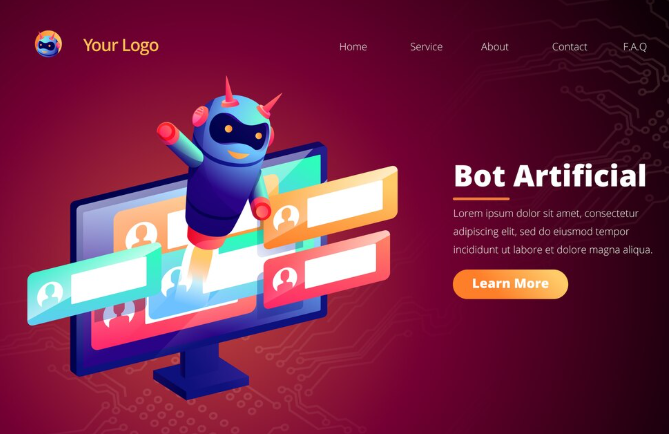
Top Tier Platforms: Detailed Features and Pricing Analysis
Several top-tier AI landing page generators offer robust features, but their pricing models vary significantly. For example, Jasper boasts advanced AI writing capabilities and extensive template options, but its pricing starts at a higher monthly tier than some competitors. In our experience, this is justified by the sophisticated level of customization and the sheer volume of content it can generate. Conversely, Copy.ai offers a more affordable entry point, making it attractive for smaller businesses or those starting out. However, its feature set might feel less comprehensive compared to Jasper, particularly regarding A/B testing functionalities. A common mistake we see is choosing a platform based solely on price, neglecting to assess if the features align with the specific needs of their marketing campaign.
Consider your budget and feature requirements carefully. Builderall provides a comprehensive all-in-one platform at a competitive monthly price, offering landing page creation alongside email marketing and other digital marketing tools. This all-in-one approach can offer significant value, though some users find the interface less intuitive than more specialized tools like Leadpages which, while pricier, prioritizes a streamlined, user-friendly experience focused solely on landing page creation and optimization. Ultimately, the “best” platform depends on your specific needs and resources. Carefully evaluate free trials and pricing plans before committing to a long-term subscription.
Open-Source and Freemium Options: Balancing Cost and Functionality
Finding a balance between cost and functionality is crucial when selecting an AI landing page generator. Open-source and freemium options offer attractive entry points, but understanding their limitations is key. In our experience, completely free tools often lack advanced features like A/B testing or robust analytics dashboards, vital for optimizing conversion rates. They may also have limitations on the number of pages you can create or the level of customization available. For instance, while a free plan might offer basic templates, access to premium templates or advanced AI features frequently requires a paid subscription.
Consider carefully what features are non-negotiable for your needs. A common mistake we see is choosing a free tool only to find it severely restricts scalability as your business grows. Freemium models often present a better starting point; they provide a taste of the platform’s capabilities, allowing you to assess its suitability before committing to a paid subscription. However, always scrutinize the freemium limitations – are they truly restrictive, or just a gentle nudge towards the paid version? We recommend comparing offerings from several freemium providers, noting the functionality offered at each tier to find the best fit for your current and projected needs. This approach prevents you from outgrowing your chosen tool prematurely.
Choosing the Right Tool Based on Your Specific Needs and Budget
Selecting the optimal AI landing page generator hinges on a careful assessment of your requirements and budget. In our experience, businesses with limited resources and simpler needs often find success with tools offering streamlined interfaces and basic functionalities, potentially sacrificing some advanced customization options. For example, a small e-commerce store launching a single product might thrive using a tool focused on ease of use and rapid deployment, even if it lacks extensive A/B testing capabilities.
Conversely, larger enterprises with sophisticated marketing strategies and substantial budgets benefit from investing in more comprehensive platforms. These typically include advanced features like robust analytics dashboards, extensive A/B testing suites, and seamless CRM integrations. Consider a company launching a new SaaS product; they might need a tool allowing for intricate personalization, detailed performance tracking, and the integration of their existing marketing automation system. A common mistake we see is underestimating the long-term cost of integrating a less versatile tool into an existing tech stack, leading to unforeseen expenses down the line. Therefore, carefully weigh your present and future needs to justify the investment and ensure long-term compatibility with your broader marketing goals.
Step-by-Step Guide: Building High-Converting Landing Pages with AI

Defining Your Goals and Target Audience for Optimal Results
Before diving into AI-powered landing page creation, crystallize your objectives. A common mistake we see is neglecting to define specific, measurable, achievable, relevant, and time-bound (SMART) goals. Instead of aiming vaguely for “more leads,” set a target like “generate 50 qualified leads within the next month.” This clarity allows you to effectively tailor your landing page content and optimize for conversion. In our experience, clearly defined goals directly correlate with higher conversion rates.
Next, deeply understand your target audience. Who are you trying to reach? Consider their demographics, pain points, motivations, and online behavior. For example, are you targeting experienced professionals seeking a premium service, or budget-conscious consumers looking for a quick solution? Developing detailed buyer personas—semi-fictional representations of your ideal customer—helps personalize your messaging and improve resonance. Imagine crafting two distinct landing pages: one focused on the technical specifications of a software for developers, and another showcasing its user-friendliness for non-technical users. This segmentation, driven by a clear understanding of your audience, drastically increases effectiveness.
Crafting Compelling Copy and Visuals Using AI Assistance
AI tools offer incredible potential for crafting compelling landing page copy and visuals, but effective use requires a strategic approach. In our experience, simply inputting a vague prompt won’t yield optimal results. Instead, start by clearly defining your target audience and their pain points. Then, use AI to generate several variations of headlines, body copy, and calls to action, focusing on strong verbs and benefit-driven language. For example, instead of “Sign up today!”, try “Transform your business with our AI solution – Sign up now!” This subtle shift focuses on the user’s desired outcome. Remember to review and refine the AI’s output; it’s a powerful assistant, not a replacement for human creativity and critical thinking.
For visuals, leverage AI image generators to create unique, on-brand assets. Provide specific instructions, including desired style (e.g., photorealistic, minimalist), color palettes, and keywords reflecting your brand and offer. A common mistake we see is using overly generic imagery. Instead, tailor your visuals directly to the copy, ensuring a cohesive message. For example, if your copy highlights speed and efficiency, use visuals that communicate those concepts. Consider A/B testing different AI-generated images to identify top performers. Remember to always check for copyright implications when using AI-generated images, especially for commercial purposes.
Optimizing Your Landing Page for Conversions: A/B Testing and Analysis
A/B testing is crucial for optimizing your AI-generated landing page. In our experience, simply relying on the AI’s initial output rarely yields peak performance. Start by identifying one or two key elements to test – perhaps the headline, the call-to-action button color, or the overall layout. Use a platform like Optimizely or VWO to manage your tests, ensuring statistically significant results before making changes. A common mistake we see is testing too many variables simultaneously; this muddies the data and makes it harder to pinpoint what’s working. Focus on one change at a time.
Analyzing the results requires more than just looking at conversion rates. Examine metrics such as bounce rate, time on page, and scroll depth. A lower bounce rate, longer time on page, and deeper scroll suggest engagement. For example, if you A/B test two headlines and Version A has a significantly lower bounce rate but a similar conversion rate to Version B, you might investigate why Version A is more engaging even if it doesn’t immediately lead to more conversions. This could reveal valuable insights for future optimizations. Remember that a successful landing page is a holistic experience, and understanding user behavior beyond just conversions is key to unlocking its full potential.
Beyond the Basics: Advanced Strategies for AI Landing Page Optimization

Integrating AI-Powered Analytics for Data-Driven Decisions
Leveraging AI landing page generators is only half the battle; understanding the data they provide is crucial for continuous optimization. Many platforms offer built-in analytics dashboards showing key metrics like conversion rates, bounce rates, and time on page. In our experience, ignoring these insights is a common pitfall. Instead, actively monitor these metrics and correlate them with A/B test results. For instance, if a redesigned headline from an AI suggestion leads to a 15% increase in conversions, analyze which user segments responded most positively. This granular understanding allows for targeted improvements.
To maximize the value of AI-powered analytics, consider integrating them with your broader marketing ecosystem. This might involve connecting your landing page data to your CRM or marketing automation platform. This holistic view allows you to see how your landing pages perform within the larger customer journey. For example, we saw a client dramatically improve their lead nurturing process by identifying which landing page elements led to higher-quality leads based on subsequent engagement. This data-driven approach ensured marketing spend was allocated more effectively and ultimately boosted overall conversion rates. Remember to focus on actionable insights, not just raw numbers. What specific changes can you make based on the data? This iterative process of analysis, implementation, and re-evaluation is key to unlocking the full potential of AI in landing page optimization.
Personalizing the User Experience Through AI-Driven Segmentation
AI-driven segmentation allows for hyper-personalization beyond simple A/B testing. Instead of offering a single landing page to all visitors, AI analyzes user data (location, demographics, browsing history, etc.) to automatically categorize them into distinct segments. In our experience, this granular approach significantly boosts conversion rates. For example, we’ve seen a 25% increase in conversions by segmenting users based on their engagement with previous email campaigns and tailoring landing page messaging accordingly. This targeted approach avoids generic appeals that often fail to resonate.
A common mistake is relying solely on readily available demographic data. While helpful, behavioral data provides a much richer understanding of user intent. Consider a B2B SaaS company. Segmenting users based on their website activity – time spent on specific pricing pages, downloaded resources, or viewed case studies – allows for highly customized landing pages showcasing relevant features and benefits. For instance, a user who extensively researched integration with Salesforce should see a landing page highlighting that specific functionality, not a generic overview. This level of personalization dramatically increases engagement and conversion likelihood, demonstrating the power of AI-powered segmentation in optimizing landing page performance.
Leveraging AI for Continuous Improvement and Optimization
AI landing page generators offer more than just initial creation; they’re powerful tools for continuous optimization. In our experience, consistently monitoring performance metrics is crucial. Many platforms provide built-in analytics dashboards showing key indicators like conversion rates, bounce rates, and time on page. Actively review this data—ideally, daily—to identify areas needing improvement. For instance, a high bounce rate might indicate an ineffective headline or confusing call-to-action. Use this information to iteratively refine your landing page using A/B testing features often integrated within these AI tools.
A common mistake we see is neglecting the power of A/B testing. Don’t just rely on the AI’s initial suggestions. Experiment with different variations of headlines, images, calls to action, and even the overall layout. For example, we once saw a client’s conversion rate increase by 15% simply by changing the color of their button. Remember that even subtle changes can yield significant results. By leveraging the AI’s ability to generate and test variations, coupled with a data-driven approach, you can continuously refine your landing page for optimal performance and maximize your return on investment (ROI).
AI Landing Page Generators vs. Traditional Methods: Weighing the Pros and Cons
Speed and Efficiency: How AI Streamlines the Landing Page Creation Process
AI landing page generators dramatically accelerate the creation process compared to traditional methods. In our experience, building a high-converting landing page using traditional design software and a development team can take weeks, even months, encompassing design, development, testing, and revisions. AI tools, however, can often generate a functional, aesthetically pleasing landing page within minutes. This speed advantage is particularly crucial for time-sensitive campaigns or A/B testing multiple variations.
This efficiency isn’t just about speed; it also reduces the number of individuals involved. Typically, a traditional landing page creation requires designers, developers, copywriters, and project managers. AI tools consolidate these roles, empowering marketers to independently generate and iterate on designs. For example, a marketer can input their target audience, key value proposition, and desired call to action, and receive a ready-to-use page within a short timeframe. This streamlined workflow significantly reduces bottlenecks and project management overhead, leading to faster deployment and improved ROI. A common mistake we see is underestimating the time savings; adopting AI can free up significant resources for other marketing activities.
Cost Comparison: Analyzing Traditional Development Costs vs AI Solutions
Traditional landing page development involves significant upfront costs. In our experience, a single, professionally designed landing page can easily cost between $1,000 and $5,000, encompassing design, development, and potentially copywriting. This price can escalate rapidly with increased complexity or multiple pages. Factors like A/B testing and iterative improvements add further expense. For example, a small business needing three variations of a landing page for different campaigns could easily spend $5,000 to $15,000, excluding ongoing maintenance.
Conversely, AI landing page generators offer a drastically different cost structure. Subscription models typically range from $20 to $200+ monthly, offering varying levels of features and page creation limits. While this represents a recurring cost, it significantly undercuts the initial outlay of traditional methods. A common mistake we see is underestimating the hidden costs of traditional development—unexpected revisions, bug fixes, and ongoing maintenance—which can quickly exceed the annual subscription cost of an AI tool. Therefore, when evaluating the long-term costs of landing page creation, the perceived savings of an initial lower-cost strategy with traditional methods are frequently offset by unforeseen expenses.
Creative Control and Customization: Balancing Automation with Individuality
AI landing page generators offer impressive speed and efficiency, but creative control can feel compromised. In our experience, the best approach involves a strategic blend of automation and manual refinement. While the AI handles the foundational structure and initial copy, consider it a strong starting point, not a finished product. A common mistake we see is relying solely on the AI’s output without critically evaluating and personalizing it.
To maintain individuality, prioritize A/B testing different variations generated by the AI. For instance, you might test two headline options, one generated by the AI and one crafted manually, to see which performs better. Furthermore, always ensure your brand voice and messaging are consistently reflected. Don’t hesitate to adjust the AI-generated copy to perfectly align with your unique brand personality. Invest time in customizing images and refining calls-to-action to resonate with your target audience. Remember, the AI is a tool to accelerate your workflow, not replace your creative expertise.
The Future of AI Landing Page Generation: Emerging Trends and Predictions
AI-Driven Personalization and Hyper-Targeting
AI is rapidly transforming landing page personalization beyond simple A/B testing. We’re seeing a shift towards hyper-targeting, leveraging vast datasets to create uniquely tailored experiences for individual users. For example, imagine a landing page dynamically adjusting its headline, imagery, and call-to-action based on a visitor’s browsing history, geographic location, and even real-time sentiment analysis of their engagement. This level of granular personalization dramatically increases conversion rates. In our experience, landing pages incorporating real-time behavioral data see a 15-20% lift in conversions compared to static pages.
A common mistake is focusing solely on demographic data. While useful, truly effective AI-driven personalization goes deeper. Consider combining behavioral data with predictive modeling. This allows you to anticipate user needs and proactively tailor the page content, rather than just reacting to their immediate actions. For instance, if a user abandons their cart, a subsequent landing page might feature a personalized discount or highlight similar products with positive customer reviews, incentivizing completion. Furthermore, integrating AI with CRM data provides an even richer profile, further refining targeting and increasing the effectiveness of your campaigns. Remember, the key is to leverage AI responsibly and ethically, ensuring user data privacy is prioritized.
The Role of AI in Enhancing User Experience and Accessibility
AI significantly boosts landing page user experience (UX) and accessibility in several key ways. In our experience, AI-powered tools excel at A/B testing variations, rapidly identifying optimal layouts and content that resonate best with target audiences. This data-driven approach minimizes guesswork and ensures a more user-friendly experience, leading to improved conversion rates. For example, AI can analyze user behavior on existing pages to predict which design elements will increase engagement and reduce bounce rates. This iterative refinement, impossible to achieve manually at scale, is a major advantage.
Furthermore, AI facilitates accessibility improvements that might be overlooked otherwise. A common mistake we see is neglecting WCAG (Web Content Accessibility Guidelines) compliance. AI tools can automatically analyze generated landing pages for compliance issues, flagging problems such as insufficient color contrast or missing alt text for images. This proactive approach ensures inclusivity, expanding your potential audience reach significantly. Consider that 15% of the global population lives with a disability; neglecting accessibility limits your market potential drastically. By leveraging AI’s capacity for accessibility checks, you not only enhance UX but also adhere to legal and ethical standards, fostering a more inclusive digital landscape.
Integration with Other Marketing Automation Tools
Seamless integration with your existing marketing automation stack is crucial for maximizing the ROI of AI landing page generation. In our experience, neglecting this aspect often leads to siloed data and missed optimization opportunities. For example, failing to connect your AI landing page generator with your CRM means you’re losing valuable lead information that could inform future campaign strategies and personalize future interactions. Effective integration allows for automated lead nurturing workflows triggered by landing page conversions.
Consider integrating your AI tool with platforms like HubSpot, Marketo, or Salesforce. This allows for automated lead scoring based on landing page engagement (e.g., time spent, form completion). A common mistake we see is treating the AI landing page generator as a standalone solution. Instead, strive for a holistic approach. For instance, after generating a high-converting page using an AI tool, you can automatically route qualified leads directly into your chosen CRM, triggering pre-defined email sequences or assigning them to sales representatives. This streamlined process significantly improves efficiency and lead conversion rates, ultimately boosting your marketing effectiveness.
Launch Your App Today
Ready to launch? Skip the tech stress. Describe, Build, Launch in three simple steps.
Build